Benefits of Prefabricated Warehouse Buildings in 2026?

Time:2026-07-03 Author:Oliver
0%

In 2026, the logistics and construction industries are increasingly recognizing the advantages of prefabricated warehouse buildings. According to a report by Smith and Associates, these structures reduce construction time by 30% compared to traditional methods. This efficiency is critical for businesses looking to streamline operations. Moreover, prefabricated warehouses are often more cost-effective, with some estimates showing a reduction in overall costs by up to 20%.

As companies seek sustainable solutions, what are the benefits of prefabricated warehouse buildings? These constructions often utilize eco-friendly materials and methods. Additionally, their adaptability allows for quick modifications to accommodate changing business needs. However, the reliance on prefabricated designs raises questions about customization and long-term durability. Balancing speed and personalization remains a challenge in the industry.

In summary, while the benefits are clear, businesses must carefully evaluate their unique needs and contexts. The rise in prefabricated structures signals a significant shift. Understanding these buildings' full potential will shape the future of warehousing and logistics.
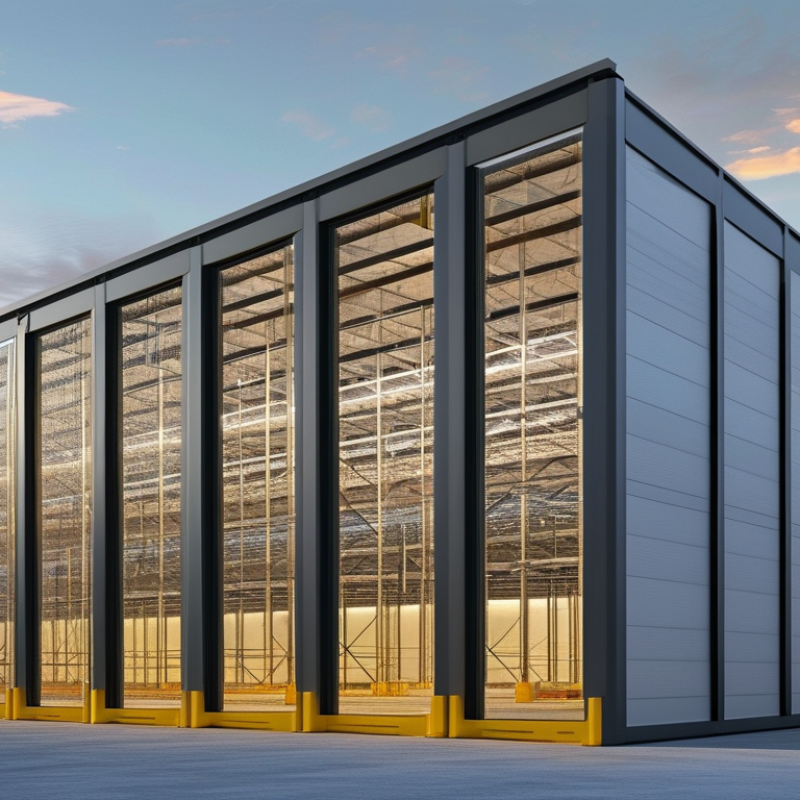
Benefits of Prefabricated Warehouse Buildings in 2026?

Benefits of Prefabricated Warehouse Buildings in 2026

Prefabricated warehouse buildings are gaining traction in 2026. The shift toward sustainability plays a significant role in their popularity. These structures are made off-site, minimizing waste using advanced techniques. They are quicker to assemble than traditional warehouses. Businesses can occupy these spaces sooner, accelerating their operations.

Cost efficiency is another key advantage. The materials are often less expensive. Construction delays can lead to increased expenses. Prefabricated buildings typically have fewer delays. This saves companies money in the long run. However, not all designs fit specific needs. Companies must consider customization options carefully.

Moreover, energy efficiency is becoming a norm. Prefabricated buildings often integrate modern insulation systems. These systems reduce energy consumption over time. Yet, some structures may lack durability in extreme conditions. Companies need to evaluate their specific climate challenges. Balancing cost, sustainability, and resilience is essential for long-term success.

Increased Construction Speed and Efficiency in Warehouse Projects

Prefabricated warehouse buildings are gaining popularity in 2026 due to their remarkable construction speed and efficiency. According to a recent report by the Modular Building Institute, prefabricated structures can be erected 30% faster than traditional methods. This speed translates to significant time savings for warehouse projects, which can directly impact profit margins.

Efficiency in construction is also enhanced through prefabrication. Components are manufactured in a controlled environment, minimizing waste and reducing site disruption. A study by McKinsey found that off-site construction can reduce material waste by up to 50%. This environmental advantage appeals to companies looking to adopt sustainable practices.

Tips: Consider using modular designs. They allow customization while maintaining efficiency. Evaluation of local suppliers for materials can also lead to faster delivery times. Engaging experienced contractors familiar with prefabrication techniques is essential for optimal outcomes. Fast-paced construction is advantageous but requires careful planning to avoid rushed decisions.

Cost-Effectiveness: Analyzing Savings in Material and Labor Expenses

The use of prefabricated warehouse buildings is gaining popularity in 2026. One key element is cost-effectiveness. Research shows that businesses can save up to 20% on materials with prefabrication. This method reduces waste and optimizes the use of resources, leading to significant savings.

Labor expenses also see a decline. A report from the Modular Building Institute indicates that prefabricated construction can decrease labor costs by up to 10-15%. This is due to faster assembly times and reduced on-site labor requirements. Workers can focus on fewer, more specialized tasks, streamlining the construction process.

However, it's crucial to consider potential setbacks. Not all prefabricated designs suit every project. There may be challenges related to customization. Companies must weigh the benefits of prefabrication against their specific needs. Careful planning ensures they maximize the financial advantages while meeting operational requirements.

Benefits of Prefabricated Warehouse Buildings in 2026? - Cost-Effectiveness: Analyzing Savings in Material and Labor Expenses

Dimension Traditional Warehouse (2026) Prefabricated Warehouse (2026) Savings (%)
Material Costs $50,000 $35,000 30%
Labor Costs $40,000 $25,000 37.5%
Construction Time (Weeks) 20 12 40%
Total Initial Investment $120,000 $85,000 29.17%
Maintenance Costs (Annual) $10,000 $7,000 30%

Sustainability and Environmental Benefits of Prefabricated Buildings

Prefabricated warehouse buildings are gaining traction for their sustainability and environmental benefits. These structures are manufactured off-site, reducing waste and construction time significantly. The process allows better control over materials, minimizing the carbon footprint. This method inherently promotes recycling, as excess materials can be reused in future projects or repurposed creatively.

Additionally, prefabricated buildings often use eco-friendly materials. These can include recycled steel and sustainable insulation alternatives. The energy efficiency of these warehouses remains a critical focal point. Enhanced insulation and pre-installed systems can reduce heating and cooling costs. However, not every prefabricated approach addresses local environmental laws. It's crucial to choose designs that comply with regional regulations to maximize ecological benefits.

One challenge with prefabricated warehouses is their initial material sourcing and transportation. While they reduce waste on-site, the environmental impact of transporting modules should be considered. Local production can mitigate some of this issue. As interest grows, more manufacturers are exploring eco-friendly sourcing. Continuous reflection on these practices will ensure prefabrication remains a sustainable construction option.

Adaptability and Customization in Warehouse Design for Diverse Industries

In 2026, the adaptability of prefabricated warehouse buildings is crucial. These structures can be customized to meet the varying needs of different industries. Reports indicate that 75% of businesses prioritize flexible designs in their warehouses. This trend shows how essential it is for companies to adapt quickly to market changes.

Warehouse design now includes modular elements that can be rearranged. For instance, a manufacturing sector might require larger spaces for equipment, while a retail sector might need separate areas for distribution. Industry experts suggest that 60% of warehouses will utilize some form of customization in their layouts. Such customization provides efficiency and maximizes utilized space.

However, this approach also poses challenges. Over-customization can lead to increased costs and time delays. Projects may not always deliver the expected results. Companies sometimes find themselves overinvesting in features that aren’t essential. Reflecting on these issues is necessary for effective planning. Balancing customization with budget constraints remains a critical focus in warehouse design.

Impact of Advanced Technology on Prefabricated Warehouse Construction

The rise of advanced technology is transforming prefabricated warehouse construction. Automation plays a crucial role in this change. Robots and drones enhance efficiency. They streamline the assembly process and reduce labor costs. This shift allows for faster project completion. Builders can focus on quality control rather than repetitive tasks.

Innovative materials are also emerging in warehouse design. New insulation technology ensures better energy efficiency. This results in lower operating costs for businesses. Smart sensors provide real-time data on warehouse conditions. They improve safety and optimize inventory management. However, relying too heavily on technology raises concerns. Over-dependency may lead to issues if systems fail.

Collaborating with skilled professionals is essential. Their expertise can bridge technology gaps. They help integrate advanced methods with traditional building practices. Thoughtful planning is necessary to mitigate risks. Striking a balance between innovation and reliability will be key.

FAQS

: What are the benefits of prefabricated warehouse buildings?

: They offer faster construction speeds, increased efficiency, and reduced waste.

How much faster can prefabricated warehouses be built compared to traditional methods?

They can be erected 30% faster.

What environmental advantages do prefabricated buildings provide?

They minimize waste and reduce the carbon footprint through controlled manufacturing.

How can companies ensure sustainable practices in prefabrication?

By choosing eco-friendly materials and adhering to local environmental regulations.

What is a key consideration when sourcing materials for prefabricated warehouses?

The environmental impact of transporting modules should be carefully evaluated.

Why is adaptability important in warehouse design?

Companies need flexible designs to quickly respond to market changes.

What challenges can arise from customizing warehouse layouts?

Over-customization can increase costs and lead to project delays.

How can companies maximize space utilization in warehouses?

Modular designs allow rearrangements for different industry needs.

What role do experienced contractors play in prefabrication?

They are essential for optimal outcomes in fast-paced construction.

How does prefabrication promote recycling?

Excess materials can be reused in future projects or repurposed creatively.

Conclusion

The article "Benefits of Prefabricated Warehouse Buildings in 2026" explores the significant advantages of adopting prefabricated solutions in warehouse construction. Key benefits include increased construction speed and efficiency, enabling projects to be completed in a shorter timeframe. Additionally, the cost-effectiveness of prefabricated buildings is highlighted, showcasing savings in both material and labor expenses, which can be crucial for businesses looking to optimize their investments.

Moreover, sustainability is a major focus, as prefabricated structures often incorporate eco-friendly materials and processes, contributing to reduced environmental impact. The adaptability and customization of these buildings cater to diverse industry needs, allowing for tailored solutions. Lastly, advancements in technology further enhance the efficiency of prefabricated warehouse construction. In summary, what are the benefits of prefabricated warehouse buildings? They include rapid construction, cost savings, sustainability, adaptability, and technological advancements, making them a compelling choice for the future.

Oliver

Oliver

Oliver is a seasoned marketing professional with a wealth of expertise in driving brand awareness and engagement. With a deep understanding of our company's product offerings, he consistently delivers high-quality content that enriches our professional blog. His insights not only shed light on......