Explore our engineering capabilities through our catalog of highly-customizable clear and multi-span steel structure configurations designed for global enterprise operations.
Dongguan Metro Build Co., Ltd. is a leading China prefabricated warehouse building manufacturer specializing in the design, production, and supply of high-performance steel warehouse solutions for customers worldwide. With extensive experience in the steel structure industry, the company is committed to delivering durable, cost-effective, and customized building systems that meet the evolving needs of industrial and commercial sectors.
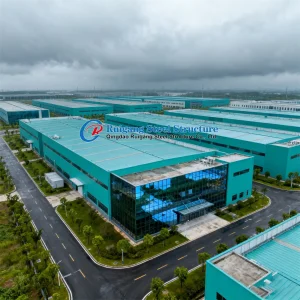
Our comprehensive portfolio incorporates prefabricated warehouse buildings, pre-engineered steel structures, logistics centers, industrial workshops, storage facilities, distribution centers, and customized steel building solutions. Engineered for accelerated installation timelines and decadal structural integrity, Metro Build's products are widely integrated across heavy manufacturing, high-throughput logistics, agriculture, commercial retail, and national infrastructure projects.
Utilizing high-grade raw materials, advanced robotic welding lines, and rigorous dimensional verification protocols, our solutions represent the frontier of industrialized construction systems. We provide global builders and developers with a single source of engineering accountability.
An in-depth structural analysis of load paths, optimization strategies, and engineering parameters defining modern industrial facilities.
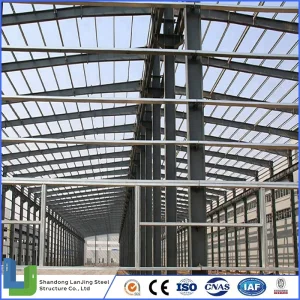
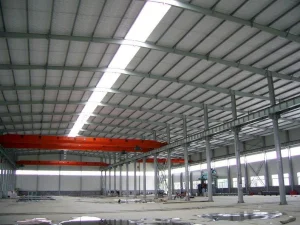
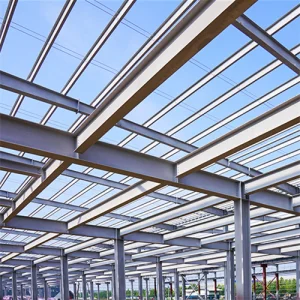
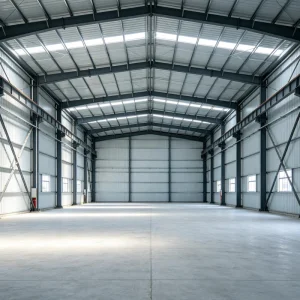
Multi-span steel structures utilize internal vertical support columns to span vast horizontal areas without requiring excessive rafter sizes. In comparison to single clear-span configurations—which require deeper portal rafters and heavier column profiles to resist high bending moments—multi-span designs effectively distribute bending moments across intermediate supporting columns. This engineering approach yields a significant reduction in overall structural weight per square meter.
For modern logistics and manufacturing spaces, intermediate columns are strategically placed to align with racking configurations, production aisles, or internal partitions. Structural analysis utilizing finite element modeling (FEM) ensures the positioning of columns optimizes operational floor plans while maintaining high load-bearing safety margins.
The structural integrity of a prefabricated multi-span steel building relies on the synchronization of primary structural framing, secondary members, and building envelope components:
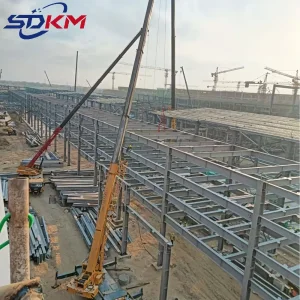
In the contemporary industrial real estate landscape, global developers prioritize rapid time-to-market and low Total Cost of Ownership (TCO). Procurement trends indicate a sharp pivot towards complete pre-engineered and prefabricated kits. By engineering and pre-fabricating all components off-site, developers can slash erection times by up to 50% compared to traditional on-site fabrication methods.
Furthermore, ESG (Environmental, Social, and Governance) targets require materials to be highly recyclable and energy-efficient. Metro Build's steel structures are inherently sustainable, utilizing steel that is 100% recyclable. Our integration of high-density mineral wool or PIR (Polyisocyanurate) sandwich panels provides thermal insulation values that meet European and North American building performance standards.
How Dongguan Metro Build leverages the geographic and technological advantages of China's industrial core to deliver global value.
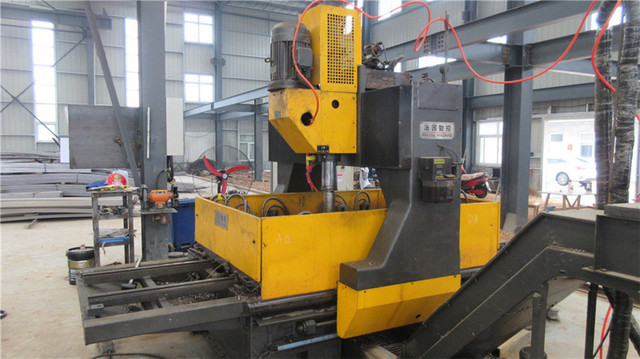
Our production facilities utilize automated H-beam welding lines, CNC plasma cutting tables, and multi-spindle drilling lines, ensuring precise dimensional tolerances down to the millimeter.
Located in Dongguan, our factory benefits from the concentrated raw steel ecosystem of Southern China, guaranteeing stable procurement prices and uninterrupted material supply.
All steel components are systematically packed, bundle-secured, and loaded into containers or breakbulk vessels, minimizing freight volumes and eliminating transit damage.
How we design structural steel configurations to meet stringent local codes, climatic conditions, and regulatory frameworks worldwide.
Building steel structures for international markets requires compliance with local structural design standards. Dongguan Metro Build Co., Ltd. employs a multidisciplinary team of structural engineers familiar with the following regulatory frameworks:
Our engineers perform finite element load simulations to adapt structural frameworks for regional environmental extremes:
Additionally, for sub-arctic regions prone to heavy snow events, roof pitches are optimized, and purlin spacing is reduced to handle high roof snow loads (up to 4.5 kN/m²). For tropical zones, high-durability anti-corrosion coatings (such as hot-dip galvanization or epoxy primer coatings) are applied to resist moisture and high salt content.
A pictorial walkthrough of Dongguan Metro Build's manufacturing excellence, raw material storage, loading sequences, and finished projects.
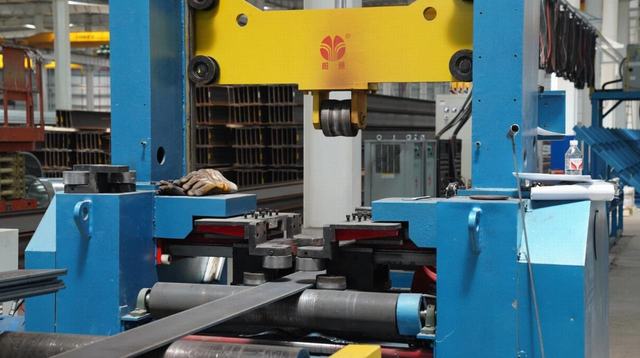
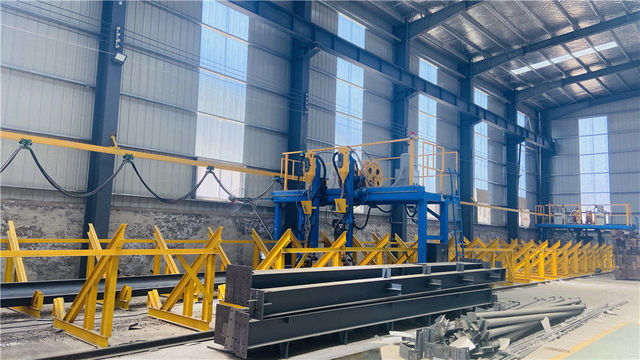
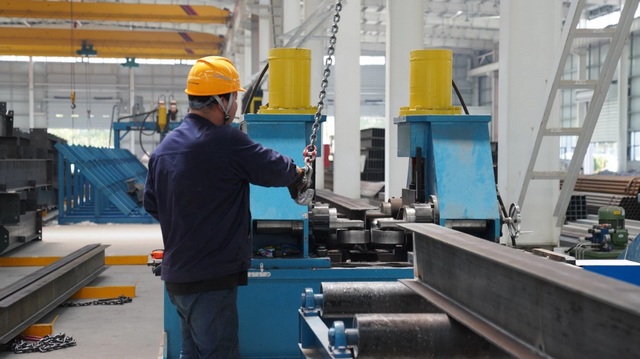
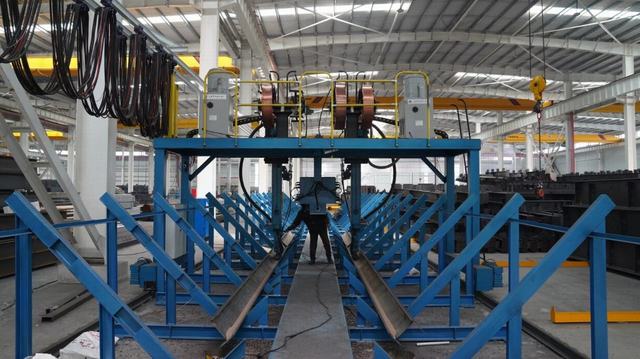
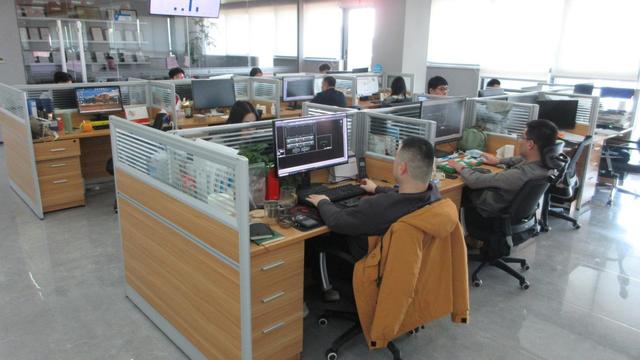
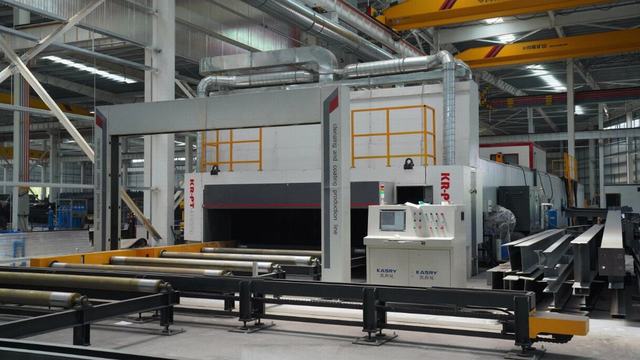
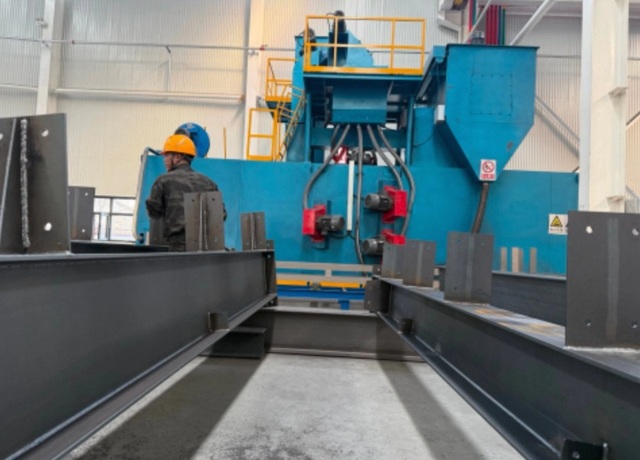
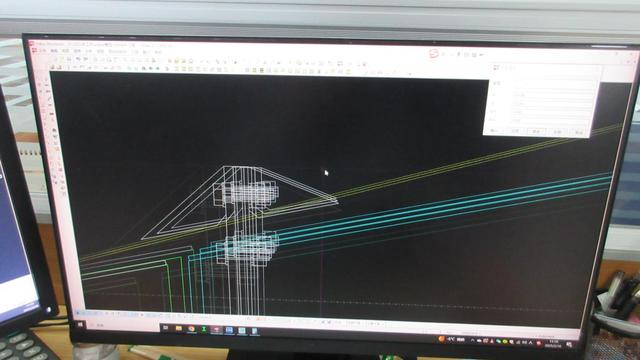
Examining the integration of smart engineering, automated prefabrication, and sustainable operational logistics in high-performance structures.
The global steel industry is experiencing a deep transition toward digital integration. By utilizing Building Information Modeling (BIM) tools like Tekla Structures, every beam, plate, bolt, and weld is modeled with 100% precision. This 3D digital prototype acts as the single source of truth, synchronizing architectural design, structural engineering, factory production lines, and on-site assembly guides.
This structural clarity reduces spatial clashes during assembly, minimizes scrap material, and ensures component fit. On-site contractors receive precise assembly documentation, matching structural members to the 3D model for rapid erection.
Protecting steel from corrosive environments is essential for achieving a 50+ year structural lifespan. Depending on the corrosivity category of the project site (ranging from C1 to C5, according to ISO 12944), we offer tailored protection technologies:
Find technical answers regarding engineering design, cost optimization, and logistical protocols for multi-span steel buildings.
Discover our complete engineered structural configurations customized for modern warehouses, multi-story offices, and industrial production plants.
 Metro Build