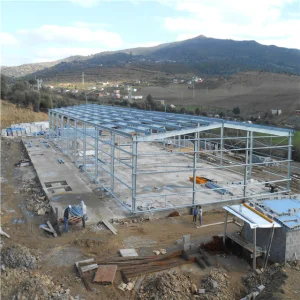
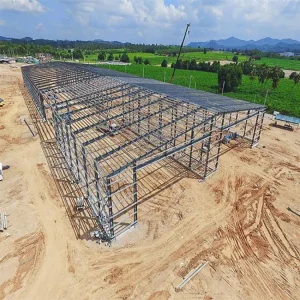
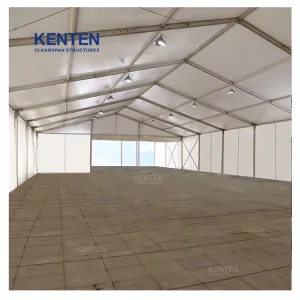
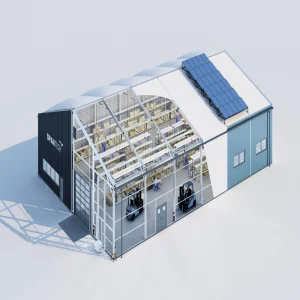
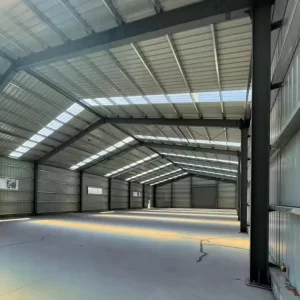
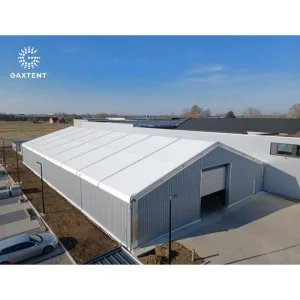
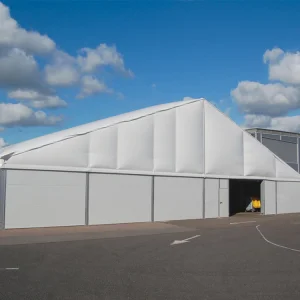
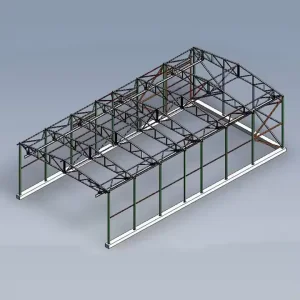
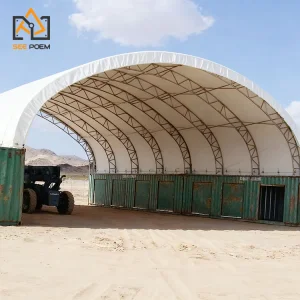
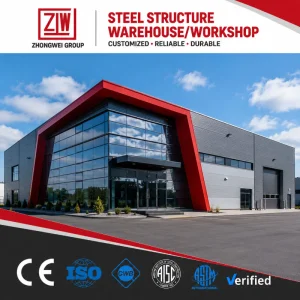
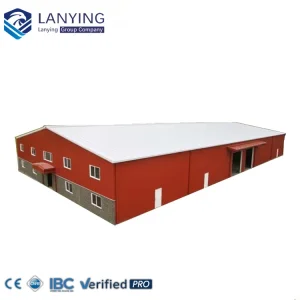
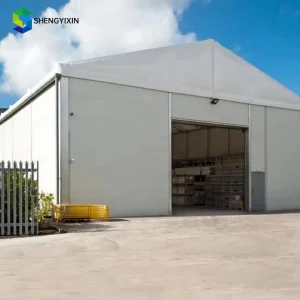
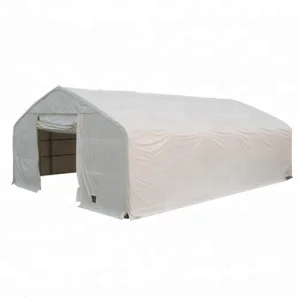
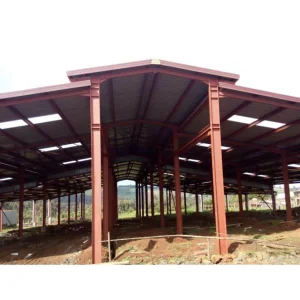
Explore our leading range of prefabricated steel frames, double-truss tension structures, and rapid-assembly clear-span fabric hangars.
Understanding the dynamic operational requirements of modern logistics, manufacturing, and supply chains through flexible, structural-grade spatial engineering.
In today's fast-paced macroeconomic environment, supply chain volatility, demand spikes, and project-based manufacturing require immediate, scalable industrial space. Traditional civil concrete and heavy structural steel constructions present extensive development timelines, high capital expenditure, and rigid site limitations. Temporary warehouse buildings engineered from lightweight structural-grade materials (aluminum alloy and light steel structures) have emerged as the standard alternative for agile global enterprises.
By bypassing length planning permission cycles and minimizing earthwork demands, modular space systems offer rapid on-site commissioning. These solutions act as reliable buffer assets, allowing operators to deploy, modify, or relocate physical storage within weeks. The underlying structural science guarantees that "temporary" does not imply compromised durability. Modern engineering frameworks enable modular shelters to operate effectively for decades.
Our structures are engineered to handle high wind ratings, heavy snow loads, and seismic activities, matching local building standards. From aerospace hangars to e-commerce fulfillment hubs and hazard-containment structures, prefabricated industrial building systems offer performance, speed, and cost efficiency.
Go from empty site to fully operational clearance in weeks instead of months.
Easily expand, reduce, or relocate your structure to align with business demands.
Significantly lower initial investment with optimal long-term residual value.
Exploring raw material developments, structural design changes, and smart integrations driving performance in modular industrial building engineering.
Transitioning from low-yield metals to highly specialized, structural-grade materials such as hot-dip galvanized Q355B steel and 6061-T6/6082-T6 aircraft-grade extruded aluminum. These alloys provide higher strength-to-weight ratios, ensuring exceptional structural safety while minimizing shipping volume and assembly weight.
Utilizing multi-layered PVC-coated fabrics, Kynar®/PVDF lacquered membranes, and composite insulating panels. The latest material advances deliver high flame retardancy (DIN 4102 B1/M2), UV stabilization, self-cleaning coatings, and thermal insulation ratings, helping to control condensation issues.
Integrating sensors within the modular support frame allows real-time structural monitoring. Real-time stress gauges track wind load pressure and snow load distribution, and alert systems ensure proactive maintenance to guarantee the facility's ongoing structural integrity.
| Structural Component | Traditional Material Standard | Next-Gen Material Standard (Metro Build) | Functional Performance Benefit |
|---|---|---|---|
| Primary Frame Section | Q235 Carbon Steel / Basic Aluminum Profile | Aircraft-grade 6061-T6 / Q355B Hot-dip Galvanized | Yield strength increased by up to 45%; high resistance to structural buckling. |
| Corrosion Protection | Single-coat Primer Spray Paint | Hot-dip Galvanizing (minimum 85 microns / 600g/m²) | Extended lifespan of up to 30 years without structural rust or finish degradation. |
| Roof & Enclosure Fabric | Single PVDF coated PVC (650g/m²) | Double-sided PVDF blockout composite (850–1100g/m²) | Flame retardancy (DIN 4102 B1), thermal insulation, and self-cleaning capabilities. |
| Structural Joints | Generic Carbon Steel Bolts | Grade 8.8 / 10.9 High-Tensile Structural Fasteners | Excellent dynamic load distribution and overall frame stability. |
How international business units deploy modular space setups to optimize operations, mitigate risks, and secure infrastructure investments.
Expanding consumer markets demand agile sorting and delivery hubs. Our structures provide clear-span interior clearances of up to 60 meters with no support columns, optimizing shelving layout and automated guided vehicle (AGV) traffic flow.
Our systems feature modular cranes, rolling shutter doors, and insulated wall panels, allowing manufacturers to rapidly stand up full-scale assembly halls. This approach lets companies scale up production lines without building permanent facilities.
Providing wide openings and high eaves, these setups serve as aircraft hangars, boat storage facilities, and heavy industrial maintenance bays. Their corrosion-resistant designs perform reliably in maritime and coastal locations.
For storing bulk grains, aggregate feeds, or minerals, our fabric shelters offer breathable, moisture-resistant enclosures. Specially treated PVC membranes protect bulk materials from UV radiation and weathering, preventing condensation buildup and spoilage.
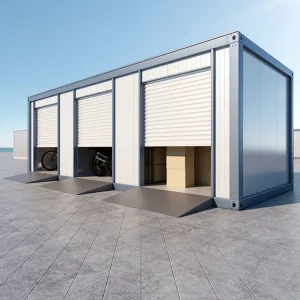
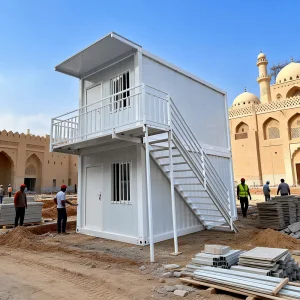
In emergency response situations, defense programs, and humanitarian operations, deployment speed is critical. Our flat-pack container offices and rapid-erect fabric structures ship efficiently by land or air for immediate deployment.
Inside our advanced production facilities in Dongguan, where robotics, quality management, and logistics integration deliver cost-effective structural systems.
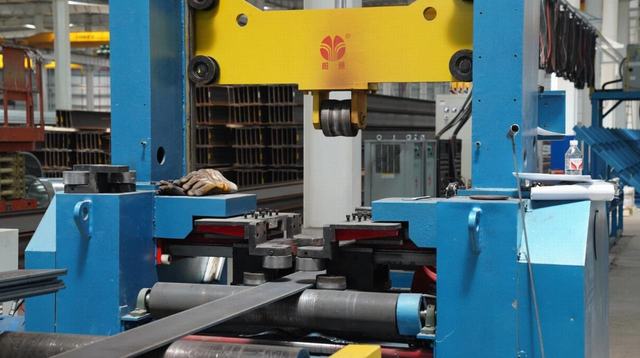
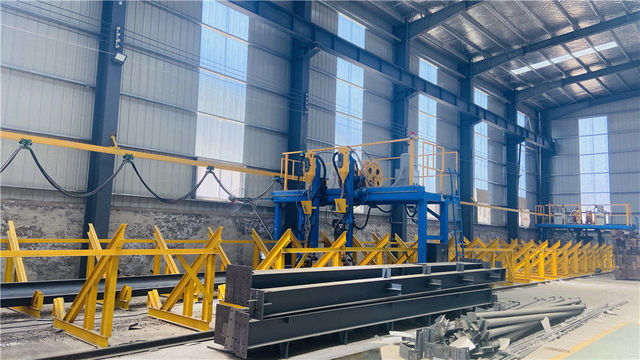
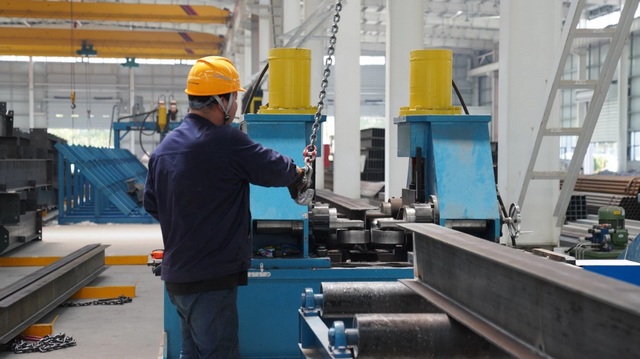
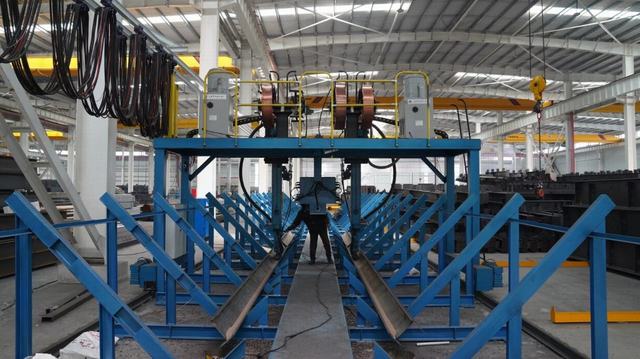
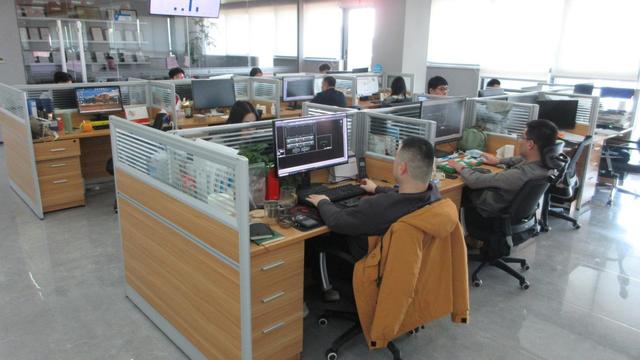
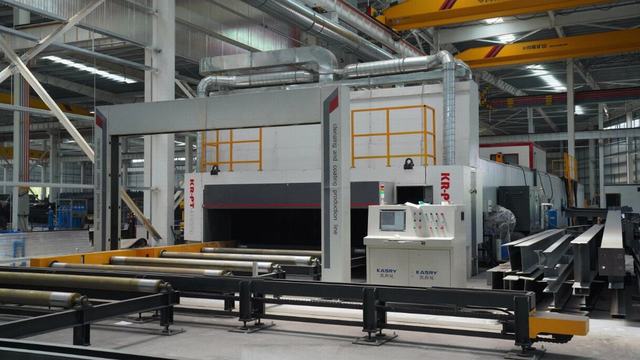
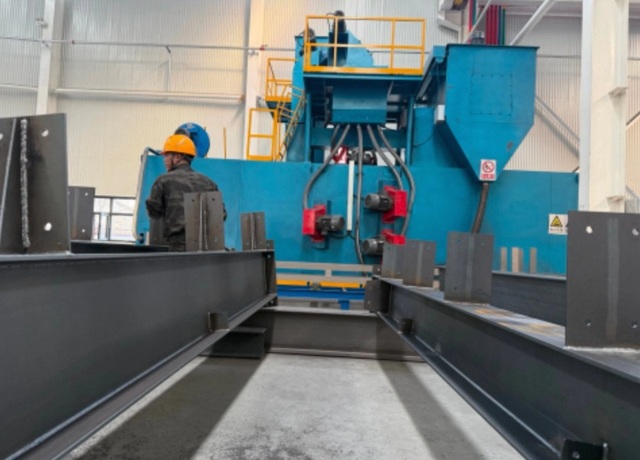
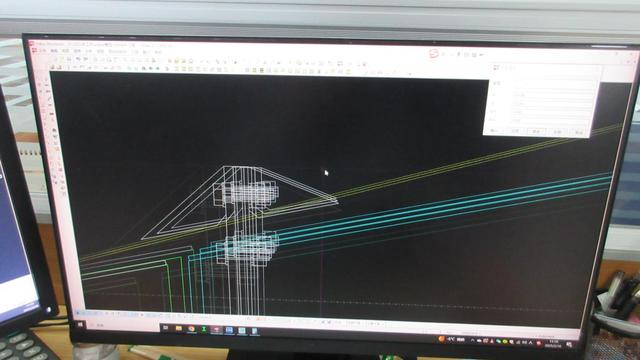
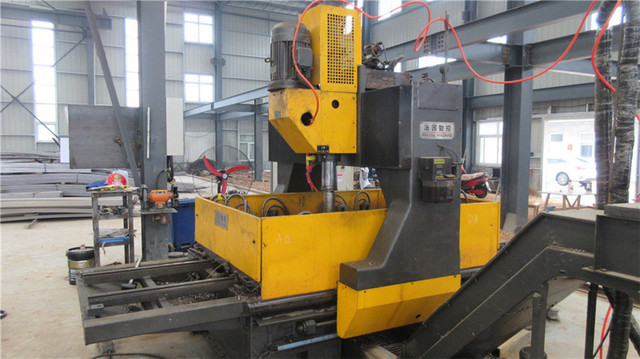
At the center of Dongguan Metro Build Co., Ltd.’s operations is a manufacturing facility optimized for high-volume, high-precision output. Operating under a Factory 4.0 production philosophy, we integrate CAD/CAM modeling software with automated steel fabrication machinery, CNC plasma profile cutters, and robotic welding stations. This digital workflow ensures that every structural element, truss connection, and column base plate matches design specifications down to the millimeter.
This automated approach minimizes raw material waste and speeds up production lead times. By centralizing the supply chain in Dongguan, we benefit from a robust local material ecosystem, sourcing certified premium structural steel and high-grade aluminum alloys directly from top domestic mills. This ecosystem allows us to bypass global middle-market pricing and deliver structural savings to our customers.
Our quality management systems follow strict ISO 9001:2015 frameworks. Every production run undergoes ultrasonic weld testing, coating thickness checks, and trial assemblies prior to dispatch. Located near key shipping ports like Shenzhen and Guangzhou, we coordinate streamlined global distribution to deliver prefabricated building modules on time and on budget.
How we design structures to meet local building codes, wind/snow loads, and regional zoning laws.
Our engineering team verifies load performance using regional structural codes, including Eurocode 3 (EN 1993) for steel design, Eurocode 9 (EN 1999) for aluminum structures, and ASCE 7 / IBC 2021 for wind and snow parameters across North America.
We analyze local weather records to customize structures for specific sites. We calculate localized wind dynamics up to 120 km/h, snow accumulation coefficients, and seismic hazard zones, designing structural frames to handle these environmental forces.
Although modular systems deploy quickly, they often serve as permanent installations. We assist project teams with necessary engineering documentation, calculation proofs, and structural drawings required for local building permits and zoning approvals.
A data-driven comparative analysis between traditional permanent brick-and-mortar facilities and modular temporary warehouse systems.
For financial directors, logistics procurement managers, and facility planners, choosing a building format requires analyzing Total Cost of Ownership (TCO). While permanent warehouses represent capital-intensive assets with depreciation schedules extending over 30 to 50 years, modular temporary buildings operate on a highly flexible economic model. Below is a structural matrix comparing the financial, physical, and execution parameters of modular temporary structures versus conventional commercial construction.
| Strategic Comparison Parameter | Modular Temporary Warehouses | Conventional Steel/Concrete Warehouses | Strategic & Operational Impact |
|---|---|---|---|
| Timeline to Commission | 4 to 8 Weeks (Fabrication & Installation) | 10 to 18 Months (Design, Excavation, Civil Build) | Modular systems allow businesses to generate revenue and capture market opportunities much faster. |
| Foundation Requirements | Flexible anchoring on existing concrete, asphalt, or gravel. | Deep strip foundations, piling, and extensive civil engineering. | Minimizes site preparation costs and preserves existing land conditions. |
| Zoning & Permit Classification | Often classified as relocatable, demountable, or temporary structures. | Classified as permanent civil infrastructure projects. | Reduces regulatory delays and speeds up project launch times. |
| Asset Depreciation & Tax Relief | Fast depreciation schedules; lease payments are often deductible as operating expenses. | Long-term capital assets depreciating over 30–50 years. | Improves corporate cash flow and balance sheet efficiency. |
| Operational Flexibility | Can be resized, reconfigured, or moved to a new site. | Immovable, fixed location with static capacity. | Reduces long-term risk and protects investments against shifting logistics patterns. |
Browse our catalog of custom-welded steel workshops, portable construction shelters, and space-optimizing double-truss container canopies.
A trusted manufacturing partner for industrial prefabricated steel building systems and global logistical space expansion projects.
Dongguan Metro Build Co., Ltd. is a leading China prefabricated warehouse building manufacturer specializing in the design, production, and supply of high-performance steel warehouse solutions for customers worldwide. With extensive experience in the steel structure industry, the company is committed to delivering durable, cost-effective, and customized building systems that meet the evolving needs of industrial and commercial sectors.
The company offers a comprehensive portfolio of products, including prefabricated warehouse buildings, pre-engineered steel structures, logistics centers, industrial workshops, storage facilities, distribution centers, and customized steel building solutions. Designed for fast installation and long-term performance, Metro Build's products are widely used in manufacturing, logistics, agriculture, retail, and infrastructure projects.
Dongguan Metro Build Co., Ltd. operates advanced manufacturing facilities equipped with modern steel fabrication machinery and precision production lines. Supported by a skilled engineering and quality control team, the company provides one-stop services covering project consultation, structural design, manufacturing, quality inspection, packaging, and global shipping coordination.
Quality and innovation are at the core of Metro Build's operations. The company strictly follows international manufacturing standards and continuously improves its production processes to ensure superior structural strength, weather resistance, and energy efficiency. By adopting prefabrication technologies, Metro Build helps customers significantly reduce construction time, labor costs, and on-site installation complexity.
Driven by the principles of quality, reliability, and customer satisfaction, Dongguan Metro Build Co., Ltd. has established long-term partnerships with clients across Asia, Europe, the Middle East, Africa, and the Americas. The company remains dedicated to providing innovative steel warehouse solutions that create lasting value for global customers.
Technical answers to common engineering, zoning, and logistics questions from procurement and operations professionals.
 Metro Build