Prefabricated warehouse buildings are gaining popularity in the construction industry. But what is a prefabricated warehouse building? Essentially, they are structures built using pre-made sections, manufactured off-site. This method streamlines the construction process and reduces time on the job site. The efficiency of prefabrication can lead to cost savings.
These buildings can be customized as per specific needs, making them versatile. They are suitable for various uses, including storage, manufacturing, and distribution. However, selecting the right design and materials is crucial. Innovative designs can enhance operational efficiency but may require more investment upfront.
Choosing a prefabricated warehouse needs careful consideration. Are the company's credentials and expertise reliable? Research is essential to ensure quality and longevity. Remember, the initial appeal of quick builds may overshadow the importance of thorough evaluation. A wise investment in a prefabricated warehouse can lead to substantial long-term benefits.
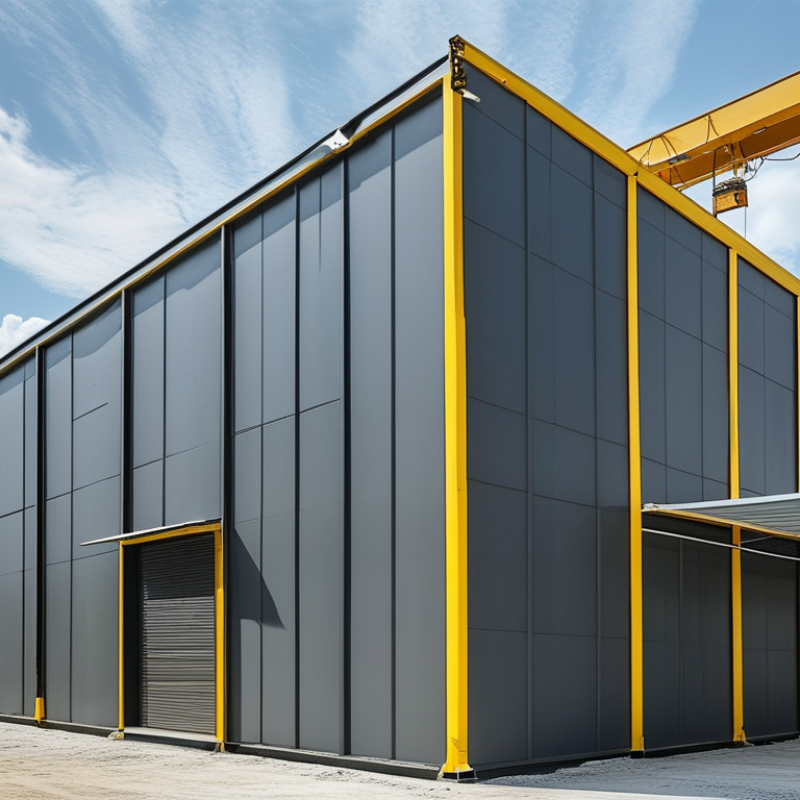
Prefabricated warehouse buildings have gained popularity due to their efficiency and cost-effectiveness. These structures are manufactured off-site and assembled on-location, reducing construction time significantly. According to a report by the Modular Building Institute, prefabricated buildings can save up to 30% in costs compared to traditional construction methods. This efficiency makes them an attractive option for businesses looking to expand or relocate.
The design flexibility of prefabricated warehouses allows for customized layouts. This adaptability can meet specific logistical needs, such as space for heavy machinery or additional storage. However, it's crucial to consider that not all prefabricated options are created equal. Quality varies widely across manufacturers. It’s essential to conduct thorough research and verify the credentials of suppliers before making a decision.
Energy efficiency is another strong point for prefabricated buildings. Many designs incorporate sustainable materials and methods, which can lead to lower utility costs. A 2022 report by the Energy Department noted that prefabricated buildings are 20% more energy-efficient than their conventional counterparts. Nonetheless, companies should be mindful of local building codes and regulations, as requirements may differ significantly across regions.
: Prefabricated warehouses offer cost efficiency, design flexibility, and sustainability. They require less time and labor to construct.
They can be tailored for storage, distribution, or manufacturing needs. However, standard options might not meet all specifications.
Yes, they often use eco-friendly materials and generate less waste. Long-term benefits should be weighed against initial costs.
Look for efficient layouts, energy efficiency, and modular designs. Flexibility is important for meeting specific business needs.
Common materials include steel, wood, and concrete. Each has strengths and weaknesses based on durability and maintenance.
Steel is strong and durable, resistant to pests and harsh weather. However, initial costs are often higher than other materials.
Wood is lightweight and sustainable but may require more maintenance in humid areas. Climate conditions can affect its practicality.
Concrete offers fire resistance and structural integrity but has a long curing time, potentially delaying projects.
Evaluate expansion potential, durable materials, and site accessibility. These aspects enhance efficiency and long-term savings.
Reflect on your priorities and assess the practicality of materials. This approach aids in making informed construction decisions.
A prefabricated warehouse building is an innovative structure designed off-site in a factory setting, allowing for faster assembly and cost efficiency. These buildings offer numerous benefits, including reduced construction time and increased flexibility in design, making them a popular choice for businesses looking to meet their storage and operational needs. Key features of these warehouses often include modular components and customizable layouts, which further enhance their appeal.
When comparing materials used in prefabricated warehouses, options like steel, wood, and concrete each have unique advantages related to durability, insulation, and aesthetics. Cost considerations also play a vital role, as businesses must evaluate initial investment, long-term maintenance, and overall lifecycle costs to make an informed decision. This combination of factors makes understanding prefabricated warehouse buildings essential for any organization considering this construction approach.

 Metro Build