The construction of prefabricated warehouses has gained significant traction in recent years. These structures are valued for their speed of assembly and cost-effectiveness. However, a pressing question arises: can prefabricated warehouses be expanded in the future? This inquiry taps into the adaptability of modern construction techniques. As businesses grow, their space requirements change. Prefabricated warehouses must also evolve to meet these needs.
Many warehouse owners wonder about the feasibility of expansions. Modular designs often allow for simple additions. Yet, technical challenges can arise. What if the existing foundation is inadequate? The quality of initial construction plays a crucial role. Future expansions may require careful planning to ensure structural integrity. Therefore, the question of expansion is not solely technical but also strategic.
Exploring whether prefabricated warehouses can be expanded involves various factors. These include design flexibility, engineering principles, and individual business needs. Each situation is unique, prompting reflection on the balance between ambition and practicality. Understanding these aspects can lead to informed decisions about future expansions.
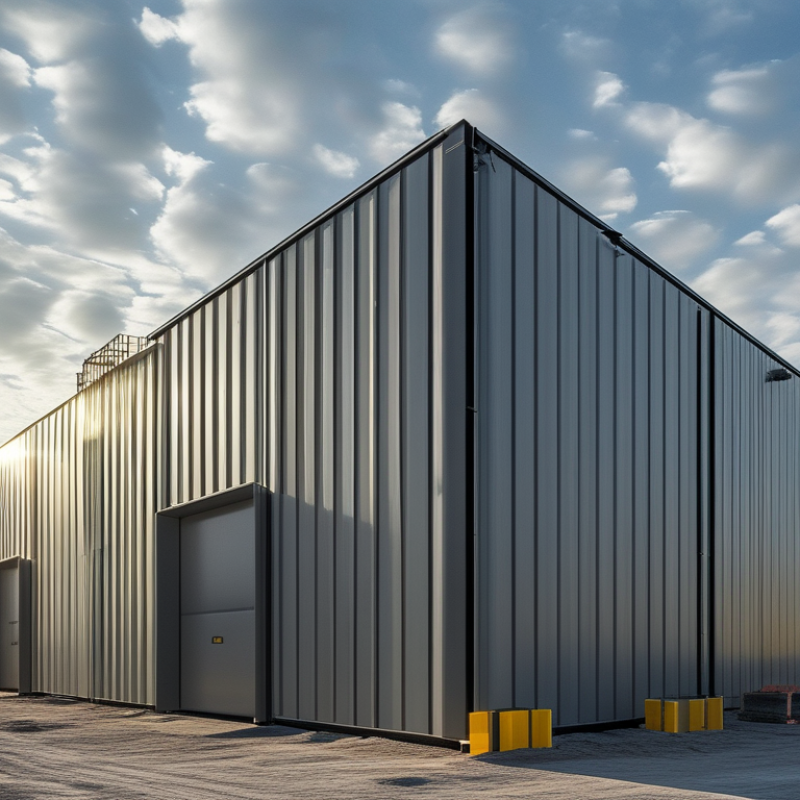
Prefabricated warehouses are revolutionizing the construction industry. These structures are built off-site and assembled on location. This method reduces construction time by up to 50%. A report from SmartMarket Insights reveals that the prefabricated building market is expected to reach $194 billion by 2027. The growth is fueled by the need for faster and cost-effective construction solutions.
These warehouses offer notable flexibility and efficiency. They are typically made from durable materials, ensuring long-term storage capabilities. Importantly, prefabricated warehouses can be customized to fit specific business needs. However, businesses must plan for future expansions. Design elements should accommodate potential growth. Oftentimes, companies underinvest in this aspect, which could limit future adaptability.
Understanding the importance of initial design choices is crucial. Consider zoning laws and site conditions before starting. Effective planning today will save headaches later.
Investing in quality prefabricated solutions leads to functional, versatile spaces. A well-thought-out warehouse can meet evolving demands. Small modifications can significantly extend usability. When planning, keep future needs in mind for seamless expansion. Regularly review your space to ensure it meets your operations effectively.
The demand for prefabricated warehouses is on the rise as industries seek efficiency and adaptability. Current trends emphasize modular designs that allow for easy expansion and reconfiguration. This flexibility supports dynamic business needs. Warehouses can now adapt to shifting storage requirements or changes in inventory levels, making them valuable assets for companies.
Consider the environmental aspect of these structures. Many designs incorporate sustainable materials and energy-efficient systems. This reduces the overall carbon footprint and operating costs. Such choices reflect a growing trend towards sustainability in warehouse construction.
When designing a warehouse, keep in mind the importance of future expansions. Ensuring that the design allows for straightforward addition of new modules can save costs in the long run. Engage with architects who understand the nuances of modular construction. They can provide valuable insights that align with your goals. Regularly reassess your operational needs as your business grows. This can help in planning effective expansions without excessive downtime.
Prefabricated warehouses offer unique advantages in design and construction. However, expansion poses certain challenges. Factors like site layout, structural integrity, and local regulations significantly influence their expandability. When considering an expansion, it's crucial to evaluate the existing foundation. A strong base can support additional modules. Weak foundations may require reinforcement, leading to increased costs.
Another critical factor is zoning laws. Local regulations dictate what can be built. If a warehouse is near residential areas, there might be restrictions on size and height. Understanding these regulations early can help avoid project delays. Moreover, the warehouse's current design must allow for future modifications. Open floor plans provide flexibility for adding more space, while complex layouts might hinder expansion.
While prefabricated warehouses can adapt, planning plays a significant role. Conducting thorough assessments can identify potential issues. Relying on expert insights helps navigate these challenges effectively. Stakeholders should regularly revisit their expansion plans in light of evolving needs. This ongoing reflection can lead to informed decisions in the future, ensuring that growth opportunities remain viable.
This chart illustrates the factors influencing the expandability of prefabricated warehouses, focusing on cost, design flexibility, material quality, and site conditions.
The rise of e-commerce has significantly impacted warehouse design and functionality. Prefabricated warehouses offer a flexible solution for businesses facing fluctuating demands. However, the ability to expand these structures is crucial for long-term viability. Technological innovations play a pivotal role in enhancing expansion capabilities.
Advancements in modular construction techniques have revolutionized warehouse expansion. A report by Allied Market Research indicates that the modular construction market is projected to reach $157 billion by 2025, growing at a CAGR of 6.5%. These techniques allow swift alterations in warehouse sizes without lengthy construction delays. Meanwhile, integrated software systems can streamline inventory management, making it easier to adjust for expanded space efficiently.
Here are a couple of practical points: consider using smart building technologies to optimize energy usage during expansion. Also, evaluate site conditions beforehand. Poor planning can lead to challenges later. By adopting these strategies, businesses can maximize the benefits of prefabricated warehouses while remaining responsive to future needs.
The logistics and supply chain sectors are rapidly evolving. Prefabricated warehouses play a crucial role in this transformation. Their flexibility allows businesses to adapt quickly to changing demands. These structures can be assembled and disassembled easily, making them ideal for temporary or seasonal use. As businesses expand, modifying these warehouses can be a seamless process. With innovative design and engineering solutions, expansion can be viable.
However, challenges arise with expansion. Not every prefabricated warehouse is built to accommodate growth. Structural limits and site conditions can hinder modifications. Additionally, varying regulations across regions may complicate expansion plans. Companies must consider these factors when planning their logistics strategies. A well-designed warehouse should not only meet current needs but also anticipate future requirements.
Sustainability is another vital aspect. Prefabricated warehouses can reduce construction waste. But their long-term environmental impact remains a topic for discussion. Companies need to assess whether these warehouses align with their sustainability goals. Emphasizing efficient material use will be essential for future developments. Adapting to changing market trends will ensure the continued relevance of prefabricated warehouses in supply chain management.
: Prefabricated warehouses are flexible structures designed for swift assembly or disassembly. They adapt well to changing demands.
Innovations like modular construction allow quick modifications. This reduces construction delays and improves efficiency in managing larger spaces.
Smart technologies optimize energy usage. They can help businesses save on costs while ensuring efficient operations.
Structural limits and site conditions may hinder growth. Regulations in different regions can also complicate expansion efforts.
Sustainable practices can minimize construction waste. Companies should evaluate how their warehouses align with their environmental goals.
Poor planning can lead to unforeseen challenges. Evaluating site conditions is crucial to ensure a smoother expansion process.
The modular construction market is expected to reach $157 billion by 2025, indicating significant growth potential.
Yes, their design makes them ideal for temporary or seasonal use, allowing businesses to adapt quickly.
They must assess current needs and anticipate future demands. Flexibility in design will be essential for long-term success.
These systems streamline inventory management, making adjustments for expanded space simpler and more efficient.
The article "Can Prefabricated Warehouses Be Expanded in the Future?" explores the increasing popularity and potential of prefabricated warehouses in modern logistics and supply chain management. It defines prefabricated warehouses and highlights their key features, including cost-effectiveness and quick assembly. Current trends in warehouse design emphasize flexibility and sustainability, making these structures more appealing to businesses.
The discuss focuses on factors influencing expandability, such as modular design and integration of technology, which enhance the potential for future growth. Technological innovations, including scalable automation and advanced materials, are transforming how warehouses can be expanded. Ultimately, the article concludes that prefabricated warehouses are poised to play a significant role in the future of logistics and supply chains, raising the critical question: can prefabricated warehouses be expanded in the future? The answer leans toward optimism, as ongoing advancements make expansion not only feasible but also efficient.

Metro Build