7 Tips on How to Compare Warehouse Building Suppliers

Time:2026-10-15 Author:Ethan
0%

Choosing a warehouse building supplier can shape your project’s cost, safety, schedule, and future flexibility. Many buyers compare prices first, then discover hidden differences in materials, engineering support, or installation quality. Learning how to compare warehouse building suppliers helps you evaluate the complete offer, not just the number on a quotation.

A reliable supplier should provide clear specifications, practical project references, and evidence of consistent workmanship. Look closely at steel grades, coating systems, roof insulation, drainage details, and loading requirements. A warehouse may look impressive in a brochure, yet perform poorly if condensation control is ignored. Ask how the supplier manages design changes, delivery delays, site measurements, and after-sales service. These details often reveal more than polished sales language.

Experience matters, but it should be relevant experience. A supplier that builds small storage sheds may not understand high-bay racking, cold storage, or heavy forklift traffic. Request drawings, inspection records, warranty terms, and contactable client references. Speak with people who have used the buildings through a full season. Their feedback can expose recurring leaks, difficult repairs, or unexpected maintenance costs.

Do not trust perfect promises.

A careful comparison also includes communication. Notice whether answers are specific or vague. Check whether calculations come from qualified professionals and whether local construction requirements are considered. Some suppliers may offer the lowest initial price, but that does not guarantee the lowest ownership cost. I have seen projects change after overlooked foundations or ventilation needs appeared. That is why this guide examines seven practical tips for making a more informed, balanced, and dependable decision.
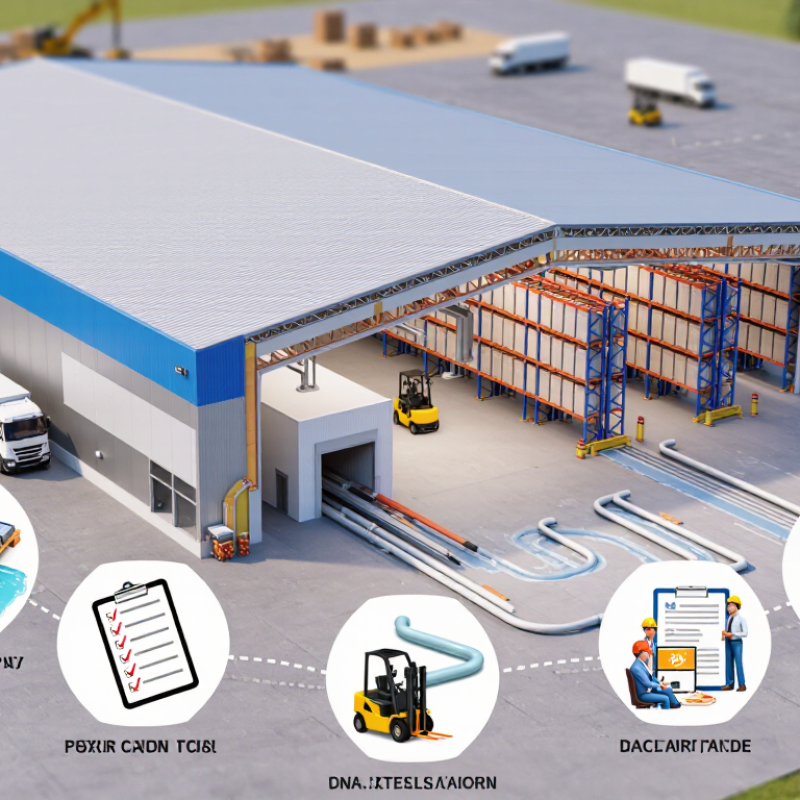
7 Tips on How to Compare Warehouse Building Suppliers

Define Your Warehouse Requirements and Project Scope

When comparing warehouse building suppliers, begin with a precise definition of your facility’s purpose. Identify the required floor area, clear height, storage capacity, and expected daily movements. Record the number of loading bays, vehicle types, office spaces, and employee facilities. Small details matter.

Consider operating conditions before requesting quotations. A chilled storage area needs insulation, controlled temperatures, drainage, and suitable door systems. A high-volume distribution warehouse may require reinforced floors, wider aisles, and additional dock protection. Confirm soil conditions, utility access, fire protection needs, and local construction requirements. Do not assume these items are included.

Prepare a written project scope that every supplier can price consistently. Include drawings, material standards, performance targets, delivery dates, installation responsibilities, and inspection stages. An experienced engineer can review structural loads and identify practical risks early. Ask suppliers to separate building costs from groundwork, equipment, permits, and future expansion allowances. A low initial quote can mislead.

Early assumptions are often wrong. Site surveys may uncover weak soil or restricted truck access. Leave a realistic contingency for changes, but document every change carefully. This makes supplier comparisons more reliable and exposes unclear exclusions before construction begins.

Verify Supplier Experience, Credentials, and Industry Knowledge

A warehouse supplier's experience should be visible in more than a polished website. Ask for completed projects similar in size, climate, storage use, and schedule. Request project references, completion dates, and photos showing framing, joints, drainage, and interior clearance. Speak with a former client if possible. Their comments may reveal how the supplier handled design changes, delays, and site coordination. These details show practical experience, not just sales confidence.

Credentials deserve direct verification. Check business registration, engineering qualifications, safety procedures, insurance coverage, and required construction approvals. Ask which professionals review structural calculations and connection details. Reliable suppliers explain responsibilities clearly. They should provide current documents, not blurred certificates or vague assurances. I would also compare warranty terms, inspection records, and after-sales response times. Small gaps matter. A missing document can signal weak internal control.

Industry knowledge appears in the questions a supplier asks you. Experienced teams ask about wind exposure, snow loads, equipment movement, fire protection, expansion plans, and local site conditions. They should explain trade-offs in plain language. Be cautious when every answer sounds effortless. Real projects contain constraints. I once treated a low quotation as evidence of efficiency; later, overlooked drainage work changed the expected cost. That mistake still matters. Compare written scopes line by line, and note what remains uncertain. A dependable supplier welcomes those questions and records revisions before production begins.

Compare Building Materials, Designs, and Customization Options

7 Tips on How to Compare Warehouse Building Suppliers

Compare Building Materials, Designs, and Customization Options

Compare steel grades, panel thickness, insulation, and protective coatings before reviewing prices. A lower quote may hide thinner walls or weaker roof systems. Ask for test reports, load tables, and clear material specifications. Check how the structure handles wind, snow, moisture, and daily forklift movement. Small details matter. Request samples, then inspect their edges, joints, and surface finish.

Study each supplier’s standard design and modification process. Can the building support wider doors, raised eaves, mezzanines, skylights, or extra ventilation? Review drawings carefully, including column spacing and drainage paths. A practical supplier explains limitations instead of promising everything. Ask how electrical routes, fire systems, and future expansion will fit the structure. Customization should improve workflow, not merely add attractive features.

My own comparison mistake was focusing too heavily on the purchase price. I overlooked installation access and local site conditions. That error could have caused delays. Request a detailed schedule, foundation requirements, delivery conditions, and installation responsibilities. Check previous projects with similar spans and operating demands. Speak with recent customers when possible. Their experience may reveal slow revisions, unclear warranties, or excellent after-sales support. Keep every promise in writing, including material tolerances, replacement procedures, and inspection points.

7 Tips on How to Compare Warehouse Building Suppliers - Compare Building Materials, Designs, and Customization Options

Tip Comparison Dimension Conventional Steel Frame Pre-Engineered Metal Building Hybrid or Custom Fabrication Evidence to Request from the Supplier
1 Compare the Structural System Uses hot-rolled steel members that are generally selected and detailed individually.
Suitable for complex layouts and heavy point loads.
Uses factory-engineered primary and secondary members, often with tapered frames and cold-formed purlins.
Efficient for clear-span warehouses with repeatable geometry.
Combines systems such as hot-rolled frames, tapered members, concrete elements, or specialized steel sections.
Useful when the building has unusual loading or operational requirements.
Ask for structural calculations, framing plans, member schedules, maximum clear span, and the design standard used.
2 Verify Material Specifications Common structural steel specifications may include yield strengths around 250–345 MPa, depending on the selected grade and local standard. Frequently uses high-strength steel for primary frames and galvanized cold-formed steel for secondary members; exact grades must be stated in the proposal. Can combine several steel grades, reinforced concrete, insulated panels, masonry, or other approved materials. Request mill certificates, coating thickness, corrosion-protection method, fastener specifications, panel core type, and material compliance documents.
3 Check Design Loads and Code Compliance Often provides broad flexibility for designing around high equipment loads, cranes, mezzanines, and concentrated reactions. Can meet the same code requirements when correctly engineered, but load assumptions must be supplied before fabrication. Allows project-specific solutions for seismic, snow, wind, fire, process, or storage conditions. Confirm applicable building code, wind speed, snow load, seismic category, soil information, fire rating, deflection limits, and occupancy classification.
4 Evaluate Customization Options Highly adaptable for irregular footprints, multiple roof elevations, large openings, heavy cranes, and complex internal arrangements.
Customization: High
Supports common options such as doors, windows, skylights, roof monitors, canopies, insulation, loading docks, and mezzanines.
Customization: Medium to High
Can be configured for specialized storage, cold rooms, production areas, office blocks, future expansion, and mixed-use layouts.
Customization: Very High
Request a list of standard and non-standard options, allowable opening sizes, future expansion provisions, and change-order procedures.
5 Compare Envelope and Energy Performance Usually offers broad choices of wall systems, roof assemblies, masonry interfaces, and independently specified insulation. Commonly uses single-skin sheets, insulated sandwich panels, or built-up roof and wall assemblies; thermal performance depends on the complete assembly. Can combine insulated metal panels, concrete walls, masonry, vapor barriers, reflective membranes, and controlled ventilation systems. Compare U-values or R-values, thermal bridges, condensation control, air leakage, roof drainage, daylighting, and ventilation design rather than insulation thickness alone.
6 Compare Manufacturing, Delivery, and Installation Fabrication may involve more individual detailing and site coordination, particularly for complex structures. Factory fabrication and pre-cut components can reduce site work when drawings, foundations, and materials are coordinated correctly. Delivery and installation schedules vary according to the number of systems, interfaces, imported materials, and site constraints. Obtain a milestone schedule covering engineering approval, fabrication, delivery, erection, inspection, weather delays, and responsibility for site logistics.
7 Compare Total Cost, Warranty, and Support May provide strong long-term adaptability, but design, fabrication, and site labor can represent a larger share of the initial budget. May offer cost efficiency for regular warehouse forms, but exclusions for foundations, erection, insulation, fire protection, or utilities can affect the final price. May have a higher design cost for specialized solutions while reducing operational or expansion costs over the building's service life. Compare a line-item quotation, exclusions, taxes, freight, erection, foundation assumptions, payment terms, warranty duration, maintenance duties, and after-sales response time.

Note: Structural capacities, material grades, thermal values, costs, and schedules vary by location, building code, site conditions, project size, and final engineering. Require project-specific calculations and written specifications before making a supplier decision.

Evaluate Pricing, Contracts, Timelines, and Warranty Terms

7 Tips on How to Compare Warehouse Building Suppliers

Tip 1: Compare complete pricing, not attractive opening quotes. Request itemized costs for steel, foundations, insulation, doors, transport, and installation. A 20,000-square-foot warehouse may need extra drainage or reinforced flooring. These details can change the final budget.

Tip 2: Check what each contract includes. Confirm payment stages, design responsibilities, site preparation, permits, and change-order fees.

Tip 3: Look for clear adjustment clauses. Material prices may change, but vague wording creates avoidable disputes. Have a construction professional review unfamiliar terms. It is worth the fee.

Tip 4: Test the proposed timeline against real project conditions. Ask for dates covering drawings, approvals, fabrication, delivery, erection, and inspection.

Tip 5: Require written milestones. Weather, soil problems, and delayed information can affect progress. A realistic schedule is more useful than a fast promise.

Tip 6: Examine warranty terms line by line. Confirm coverage periods for structural components, roofing, coatings, doors, and workmanship. Ask who pays for inspection, labor, transport, and replacement materials.

Tip 7: Check exclusions carefully. Poor drainage, unauthorized modifications, and neglected maintenance may limit coverage. Keep every drawing and inspection record. One imperfect assumption can become expensive later. A supplier’s past warehouse projects, safety procedures, and communication habits also reveal reliability. References matter. Yet one reference is never enough.

Assess Communication, Installation Support, and Long-Term Service

When comparing warehouse building suppliers, test communication before reviewing glossy drawings. Ask who answers technical questions, how quickly, and with what evidence. A reliable supplier explains load requirements, site limits, and delivery risks in plain language. Request a sample project schedule with named responsibilities. Vague promises are warning signs.

Installation support needs practical detail. Confirm whether the supplier provides foundation guidance, assembly manuals, supervisor visits, and remote troubleshooting. Ask how damaged panels or missing fasteners are handled during installation. A strong team checks measurements before materials leave the factory. I once underestimated the value of this step. A small measurement error can delay several crews.

After handover, service quality becomes visible. Compare inspection plans, spare-part availability, warranty procedures, and response times. Ask for written maintenance guidance, not casual assurances. Speak with previous customers about roof leaks, door alignment, and repair communication after harsh weather. Service records should show dates, actions, and responsible technicians. No supplier performs perfectly every time. The important question is how openly they admit mistakes and correct them. Check whether support remains available after the final invoice. Long-term reliability is built through documented inspections, reachable staff, and realistic commitments.

7 Tips for Comparing Warehouse Building Suppliers

Suggested buyer evaluation weighting based on the practical importance of communication, installation support, and long-term service.

Installation support and long-term service receive the highest weighting because they directly affect project execution, maintenance, and lifecycle risk. Communication, engineering capability, delivery reliability, cost transparency, and certifications should also be verified with documented evidence.

FAQS

What should be defined before comparing warehouse suppliers?

Define floor area, clear height, storage capacity, daily movements, loading bays, vehicle types, offices, and employee facilities. Small details affect pricing.

What requirements apply to chilled storage areas?

Chilled areas need insulation, temperature control, drainage, and suitable doors. Confirm these items in writing before requesting quotations.

Why is a written project scope important?

It helps every supplier price the same requirements. Include drawings, materials, performance targets, delivery dates, installation duties, and inspection stages.

Which costs should suppliers separate in their quotations?

Ask suppliers to separate building costs from groundwork, equipment, permits, and future expansion allowances. A low quote may hide exclusions.

What site conditions can change warehouse costs?

Weak soil, limited truck access, utility problems, and local construction requirements can affect costs. Site surveys often reveal unpleasant surprises.

How can a supplier’s project experience be verified?

Request similar completed projects, dates, photos, and client references. Check framing, joints, drainage, and interior clearance in the photos.

Which supplier credentials should be checked?

Verify business registration, engineering qualifications, safety procedures, insurance, approvals, warranty terms, and inspection records. Blurred certificates are not enough.

What questions should an experienced supplier ask?

They should ask about wind, snow, equipment movement, fire protection, expansion plans, and site conditions. Easy answers can be a warning.

How should quotations be compared fairly?

Compare written scopes line by line. Record uncertain items, exclusions, revisions, and responsibilities before production begins.

Is a contingency budget necessary?

Yes, but keep it realistic and document every change. I once trusted a low quote, and overlooked drainage work changed the expected cost.

Conclusion

Learning how to compare warehouse building suppliers starts with clearly defining your warehouse requirements, including size, layout, intended use, loading needs, site conditions, and project budget. Once the scope is established, review each supplier’s experience, qualifications, project history, and understanding of your industry. Compare the materials, structural designs, insulation options, layouts, and customization possibilities to determine which solutions best support your operational goals and future expansion.

You should also examine pricing in detail, including what is and is not included in each quotation. Carefully review contract terms, construction schedules, payment conditions, warranty coverage, and procedures for handling changes or delays. Finally, assess how effectively each supplier communicates and whether they provide reliable installation guidance, project coordination, maintenance advice, and long-term service. A supplier that combines technical capability, transparent terms, practical support, and dependable communication can help reduce project risks and deliver a warehouse that remains efficient and valuable over time.

Ethan

Ethan

Ethan is a seasoned marketing professional with a deep expertise in our company's innovative product line. With a passion for sharing knowledge and insights, he takes the lead in regularly updating our corporate blog, where he explores industry trends, product features, and effective marketing......