When discussing what factors affect warehouse construction costs in China, it's essential to consider various aspects. An industry expert, Dr. Li Wei, states, "Local labor rates, material choices, and building codes dramatically influence construction expenses." This highlights the complexity of this issue, as multiple variables intertwine.
Construction costs are not solely determined by the physical structure. Location matters, with urban areas commanding higher prices due to limited space. Clarity in regulations can lead to unexpected expenses. Moreover, supply chain disruptions can inflate material costs. The choice of sustainable materials may seem costly upfront, yet they offer long-term savings.
Understanding these nuances is crucial. While industry standards exist, each project has unique challenges. An imprecise budget can lead to overruns. As the market evolves, it is vital for stakeholders to continually reassess their strategies. The dynamic nature of warehouse construction requires adaptability and foresight.
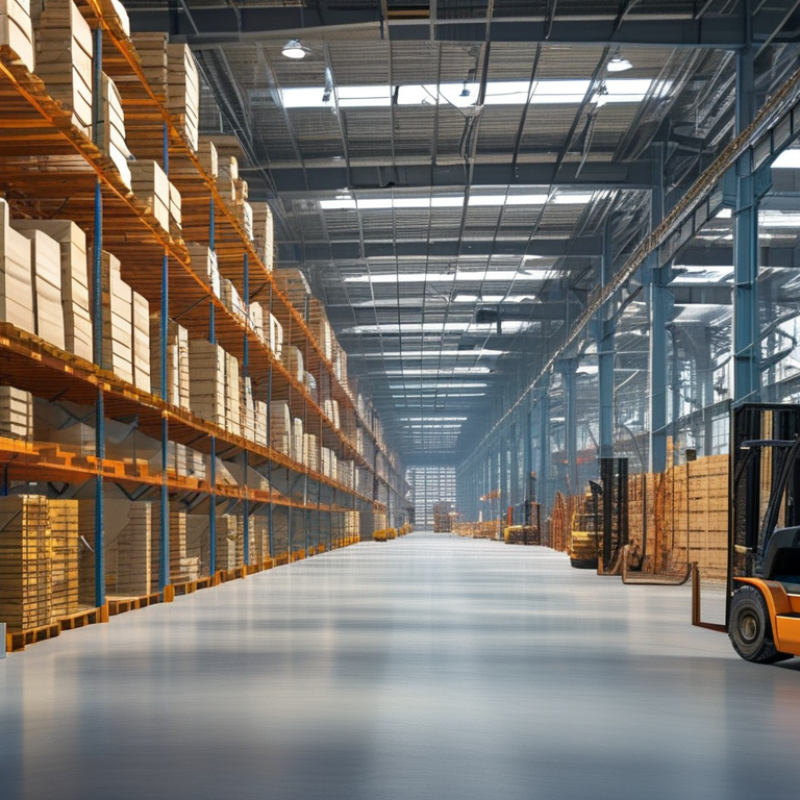
When considering warehouse construction costs in China, several key economic factors come into play.
Labor costs significantly affect the overall budget. Skilled labor availability
fluctuates regionally, influencing project timelines and pricing. Urban areas tend to have higher labor costs compared to rural locations.
Geographic disparities can impact both construction expenses and local hiring practices.
Material prices are another crucial component. The cost of raw materials such as
steel and concrete often varies based on market demand and supply chains. Economic policies and tariffs can influence these prices, making it
essential for project managers to stay informed about market trends. Additionally, inflation rates may increase
material costs over time, leading to budget overruns.
Government regulations present another layer of complexity. Compliance with local building codes and environmental regulations often incurs
additional expenses. Navigating these requirements can delay projects and lead to further financial strain. It is important to regularly assess
regulatory changes that might impact costs. Overall, staying adaptable is
vital to managing warehouse construction expenses in the ever-changing economic landscape of China.
Regulatory and compliance issues significantly impact warehouse construction costs in China. The evolving landscape of regulations imposes strict requirements on building materials and safety standards. In 2022, approximately 30% of total construction costs stemmed from compliance-related expenses, according to industry reports.
Local governments often adjust regulations, leading to uncertainty for developers. This fluctuation can cause project delays, resulting in increased labor and operational costs. Compliance with environmental regulations adds another layer of complexity. A study by the China Urban Planning Society indicated that exceeding legal limits on emissions can lead to fines exceeding 500,000 CNY, significantly affecting budget allocations.
Navigating the intricate web of regulations requires expertise and thorough planning. Hiring local consultants who understand the regulatory landscape is essential. Some developers overlook this step, potentially leading to costly mistakes. The need for constant updates on regulatory changes makes it challenging for companies without dedicated compliance teams. Such oversights can compromise project timelines and budgets.
Geographic location significantly influences warehouse construction costs in China. Factors like labor availability, building materials, and transportation logistics vary by region. In places like Beijing or Shanghai, higher living costs lead to increased labor rates. Conversely, developing regions may offer lower wages, but also face challenges with skilled labor shortages.
According to a recent industry report, construction costs can vary by as much as 20% between coastal cities and inland areas. Access to materials and efficient transport routes further affect pricing. For instance, coastal warehouses benefit from easier imports of steel and concrete, while inland locations might see delays and added costs.
Tip: Always evaluate multiple sites. Each location presents unique pros and cons.
In addition, local regulations can impact costs. Some provinces have stricter building codes, requiring additional spending on compliance. While building in a less-regulated area might save money, the quality and durability may suffer. Understanding these nuances is vital for budgeting effectively.
Tip: Engage local experts when assessing regions. Their insights can help mitigate risks and expenses.
| Geographic Location | Average Construction Cost (USD per sqm) | Labor Availability | Transportation Costs | Material Costs Index |
|---|---|---|---|---|
| Beijing | 150 | High | Moderate | 120 |
| Shanghai | 170 | High | High | 130 |
| Guangzhou | 160 | Moderate | Low | 125 |
| Chengdu | 140 | Moderate | Moderate | 110 |
| Hangzhou | 155 | High | Moderate | 115 |
In warehouse construction projects in China, material costs and supply chain dynamics play crucial roles. The fluctuating prices of steel, concrete, and other construction materials significantly affect overall budgets. Recently, the demand for certain materials soared, leading to unexpected price hikes. This situation can catch contractors off guard, affecting project timelines and costs.
When planning a warehouse project, keep an eye on local suppliers. Sometimes, regional materials can be more affordable. Engaging with multiple vendors can also ease pressure on costs. However, not every supplier offers high-quality materials. It’s essential to balance cost with quality.
Supply chain dynamics add another layer of complexity. Disruptions can delay access to vital materials. With global shipping challenges, planning for sudden changes is critical. Developing a contingency plan can help mitigate delays. Remember that flexibility in design might speed up the process if supply issues arise. This approach can save both time and money in the long run.
Labor market trends significantly impact warehouse construction costs in China. The demand for skilled workers has surged. This growth is due to the rapid expansion of e-commerce and logistics sectors. Rising wages for construction labor are a direct consequence. Companies often face challenges in sourcing skilled labor, which can delay projects and inflate costs.
Additionally, the geographic variance of labor availability affects overall expenses. Urban areas tend to have higher labor costs compared to rural regions. However, these urban centers also provide a larger pool of experienced workers. Construction firms must balance these factors carefully. A miscalculation can lead to budget overruns and project setbacks.
Moreover, the aging workforce poses a long-term challenge. Many skilled workers are nearing retirement age. This shift raises concerns about future labor shortages. The industry must adapt by investing in training programs. Upgrading workforce skills is essential for maintaining efficiency. With fluctuating wages and the evolving labor landscape, careful planning becomes increasingly crucial for successful warehouse construction.
: Regulatory and compliance expenses account for about 30% of total construction costs. This creates a significant financial burden.
Local governments change regulations frequently. This uncertainty can lead to unexpected delays, increasing labor and operational costs.
Exceeding emission limits can result in fines over 500,000 CNY. This can heavily impact project budgets.
Construction costs can vary by 20% depending on the region. Coastal cities often have higher costs due to living expenses.
Developing areas may have lower wages but often lack skilled labor. This affects overall construction quality and timelines.
Local consultants understand regulatory landscapes better. Not hiring them can lead to costly mistakes and compliance oversights.
Coastal warehouses have easier access to materials. Inland locations can face delays, increasing overall construction expenses.
Evaluating various locations is crucial. Each site presents unique advantages and challenges that can affect costs and quality.
While they might save money, the quality and durability of construction can suffer due to lax building codes.
Companies should have dedicated compliance teams. Frequent regulatory changes require constant monitoring and updates to avoid issues.
Warehouse construction costs in China are influenced by several key factors. The primary economic drivers include fluctuations in material prices, regulatory compliance costs, and evolving labor market trends. For instance, changes in economic conditions can lead to variations in building materials and labor availability, directly impacting overall expenses. Additionally, geographical location plays a crucial role; different regions may have varying construction costs due to logistical challenges and local market dynamics.
Understanding what factors affect warehouse construction costs is essential for stakeholders in the industry. Regulatory issues can introduce unexpected expenses, while supply chain dynamics can either inflate costs or lead to savings depending on market conditions. By analyzing these elements, developers can better strategize and budget for their warehouse projects in China.

Metro Build