Prefabricated warehouses have gained popularity in various sectors. Businesses seek efficiency and cost-effectiveness in construction. These structures offer quick setups and adaptability to changing needs. Understanding what industries use prefabricated warehouses can provide insights into their benefits.
Manufacturing and logistics are key beneficiaries. These sectors often require rapid expansion or relocation. Prefabricated warehouses allow for swift construction, minimizing downtime. Additionally, retail businesses appreciate the flexibility in design. Quick assembly means they can respond faster to market demands.
However, not every industry may find prefabricated warehouses suitable. Some may require specialized facilities that cannot be prefabricated. It is essential to evaluate specific needs before making decisions. This nuanced approach can help businesses maximize their growth opportunities with the right structures.
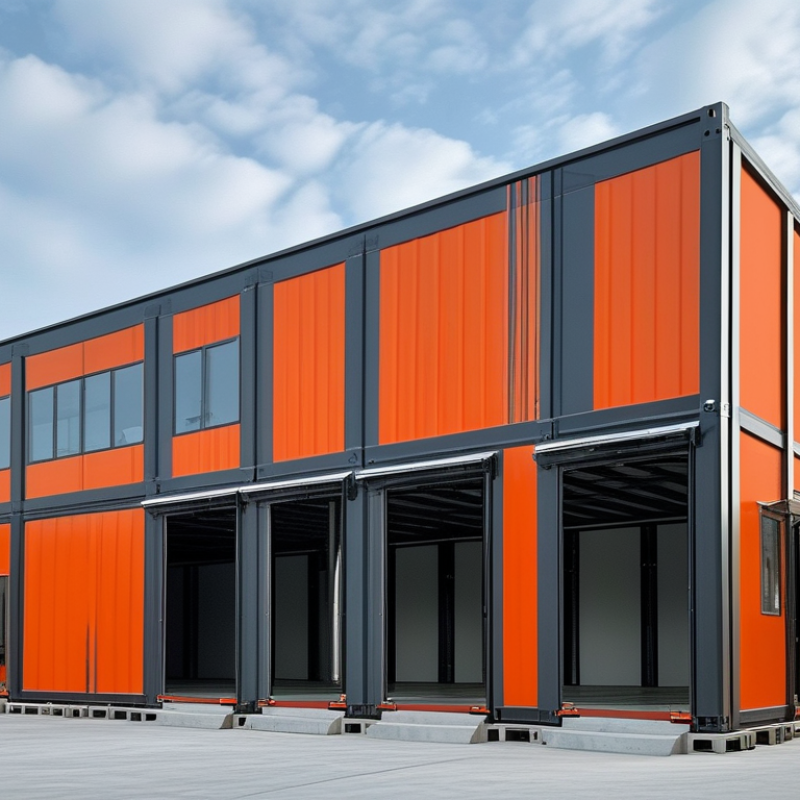
Benefits of Prefabricated Warehouses in the Construction Industry
Prefabricated warehouses have become a game-changer in the construction industry. They offer significant advantages in terms of speed and efficiency. According to a report by McKinsey, modular construction can reduce project timelines by up to 50%. This is critical for businesses needing rapid deployment of warehousing solutions.
The benefits don't stop at speed. Prefabricated warehouses are often more cost-effective. A study by the National Association of Home Builders indicates that prefabrication can lower costs by 20% compared to traditional methods. These structures are built off-site, minimizing weather-related delays and ensuring quality control. The precision in manufacturing often leads to a reduction in material waste, addressing environmental concerns.
Challenges do exist, such as zoning regulations and land acquisition hurdles. Not every location is suited for prefabricated structures. Some regions lack the necessary infrastructure for quick assembly. Decision-makers must carefully assess these factors before committing to prefabricated options. Understanding local regulations is crucial in ensuring compliance and successful project outcomes.
Impact of Prefabricated Warehouses on E-commerce Logistics
The rise of e-commerce has transformed logistics. Prefabricated warehouses play a vital role in this sector. These structures allow for rapid assembly and customization. Businesses can quickly adapt to changing demands. E-commerce relies on speed and efficiency, and prefabricated warehouses deliver just that.
These warehouses are often located closer to urban areas. This proximity reduces shipping times. Customers receive their products faster, enhancing satisfaction. Less time in transit also means lower shipping costs. Small and medium businesses find these advantages especially helpful. They gain a competitive edge without significant investments.
**Tip:** Choosing a prefabricated warehouse requires thoughtful planning. Assess your future growth needs. Flexibility is key in e-commerce logistics.
However, not all solutions fit every business. Some might experience limitations in size or design. It's essential to weigh these factors carefully. Consider potential expansion down the line. Investing in a prefabricated warehouse is a commitment. Avoid rushing into decisions without thorough research.
**Tip:** Engage with logistics experts for tailored advice. Their insights can help navigate the challenges effectively. Balancing immediate needs with long-term plans can be tricky, but is crucial for success.
Impact of Prefabricated Warehouses on E-commerce Logistics
Advantages of Prefabricated Warehouses for Manufacturing Companies
Manufacturing companies increasingly turn to prefabricated warehouses to enhance efficiency and reduce costs. These structures are designed off-site, which cuts down construction time significantly. A quicker setup means manufacturers can initiate operations without lengthy delays. Moreover, prefabricated solutions offer customization features, allowing companies to tailor the interior to specific needs.
The modular nature promotes flexibility. A manufacturing company can easily expand as demand grows. This adaptability is key in a fast-paced market, where change is constant. Additionally, these warehouses often incorporate energy-efficient materials, leading to reduced utility bills. Workers also appreciate improved workplace conditions due to better insulation and air quality.
However, some manufacturers may face challenges with zoning laws and local regulations when installing prefabricated warehouses. Each area has unique requirements, which could complicate the process. Proper planning and community engagement remain essential. Ensuring compliance with local guidelines can prevent costly setbacks and foster good relationships with the surrounding area.
Role of Prefabricated Warehouses in Agricultural Operations
Prefabricated warehouses play a crucial role in agricultural operations. These structures are designed for efficiency and adaptability. Farmers can easily modify them to suit their unique needs. They offer quick assembly, reducing downtime during critical planting or harvesting seasons. This flexibility helps farmers maximize productivity.
In the agriculture sector, these warehouses can store various products like grains, seeds, or equipment. Their durable design protects items from moisture and pests. Farmers often rely on these structures to ensure the quality of their produce. However, it’s important to consider local weather conditions. In some areas, extreme temperatures could affect the building’s integrity.
Collaboration between farmers and warehouse specialists is vital. Expert advice on design and materials can optimize these spaces. However, not all prefabricated warehouses are suitable for every type of agricultural operation. It’s essential to assess each situation carefully before making a decision. This approach ensures that the investment meets the operational demands effectively.
Utilization of Prefabricated Warehouses by Retail Businesses
Retail businesses are increasingly turning to prefabricated warehouses to meet their operational needs. These structures allow retailers to expand quickly and efficiently. According to the Modular Building Institute, the construction time for prefabricated warehouses can be reduced by up to 50%. This speed helps retailers keep up with market demand and seasonal fluctuations.
The versatility of prefabricated warehouses is another key advantage. They can be easily customized to suit various retail functions, from distribution centers to pop-up stores. Reports indicate that businesses utilizing these warehouses experience a 30% reduction in operational costs. This cost efficiency is critical in today’s competitive retail environment. Retailers can allocate resources more effectively, enhancing their supply chain management.
Tip: Consider the logistics of warehouse location. Proximity to urban centers can significantly reduce transportation costs for retailers.
Despite the benefits, some may be hesitant to adopt prefabricated structures. Potential concerns about durability and long-term value exist, but many manufacturers provide warranties and data proving reliability. Industry insights suggest that prefabricated warehouses can last as long as traditional structures, given proper maintenance.
Tip: Regular inspections help ensure the longevity of prefabricated warehouses.
FAQS
: They speed up construction time and reduce costs, sometimes by 50%.
Studies show a cost reduction of about 20% compared to traditional methods.
They reduce material waste through precise manufacturing and incur fewer weather-related delays.
Zoning regulations and local infrastructure can complicate installation and planning.
Yes, they offer flexibility to tailor designs to specific operational needs.
They often use energy-efficient materials, lowering utility bills for companies.
Proximity to urban centers can help lower transportation costs significantly.
Some worry about long-term value, but warranties and data often ensure reliability.
Community engagement and understanding local regulations are crucial for success.
They generally provide better insulation and air quality, enhancing employee comfort.
Conclusion
Prefabricated warehouses have become increasingly advantageous across various sectors, notably in the construction industry, where their quick assembly and cost-effectiveness are highly valued. These structures significantly enhance efficiency and reduce project timelines, allowing for faster building processes without compromising quality. Additionally, in the realm of e-commerce logistics, prefabricated warehouses facilitate rapid distribution and inventory management, effectively meeting the demands of online shopping.
Manufacturing companies also benefit from prefabricated warehouses, as they provide a flexible space for production and storage, optimizing operational workflows. In agriculture, these warehouses serve as essential structures for storing equipment and supplies, while retail businesses utilize them to streamline inventory management and distribution channels. Overall, numerous industries utilize prefabricated warehouses for their versatility and practicality, demonstrating that various sectors are keenly exploring what industries use prefabricated warehouses to enhance their operations.

 Metro Build