Maintaining a steel warehouse building requires a strategic approach. Many owners overlook the importance of regular upkeep. Understanding how to maintain a steel warehouse building can extend its life and enhance efficiency.
Routine inspections are crucial. Check for rust, wear, and structural integrity. Ignoring small issues can lead to costly repairs later. Regular cleanliness also plays a role. Dirt and debris can lead to unnoticed damage. A dedicated maintenance schedule ensures that these tasks are addressed promptly.
Investing time in training staff is essential. They need to recognize signs of wear and report them. Knowledge and experience are key to effective maintenance. Reflect regularly on practices used. Are they effective? Adjusting strategies can lead to improved outcomes. Maintaining a steel warehouse building isn't just responsive; it also requires foresight and planning.
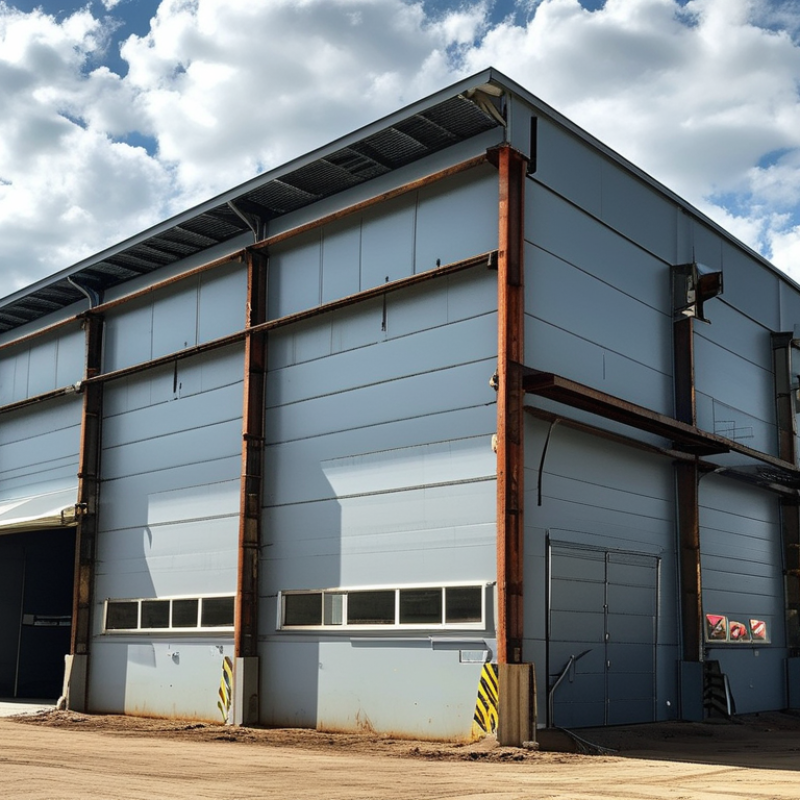
Regular maintenance is crucial for steel warehouses to ensure longevity and safety. Industry reports highlight that a well-maintained facility can reduce costs by up to 40%. Routine inspections help identify issues before they escalate. Rust, corrosion, and structural wear can develop unnoticed, potentially leading to significant repair expenses.
The longevity of steel structures depends on factors like weather exposure and usage. Data shows that facilities not receiving regular upkeep experience a decrease in lifespan by nearly 30%. Scheduled maintenance includes cleaning gutters, checking for water damage, and inspecting structural components. Simple fixes can prevent costly repairs down the line.
Moreover, neglecting maintenance can also lead to safety hazards. A deteriorated structure poses risks to employees and inventory. Neglecting small repairs might result in bigger problems later. Investing in routine maintenance fosters a safer work environment. Business owners should weigh these risks carefully. Regular maintenance is not an expense; it’s an investment in the future of the facility.
Steel warehouse buildings are significant investments for many businesses. However, they often face common issues that can impact their longevity and functionality. According to industry reports, over 30% of warehouse owners encounter corrosion issues within the first ten years of construction. This decay not only affects the aesthetic appeal but also compromises structural integrity.
Another prevalent problem is water leakage. An estimated 25% of warehouse owners report leaks that lead to costly repairs. Improper sealing around beams and joints often causes this issue. Regular inspection and maintenance can minimize such risks. For instance, installing proper drainage systems can divert water away from vulnerable areas.
Poor insulation is an additional concern, particularly in regions with extreme weather. Reports suggest that nearly 40% of energy costs can stem from inadequate insulation. This inefficiency not only raises operational costs but can also lead to temperature control issues within the warehouse. Businesses must prioritize insulation strategies that align with local climate conditions. Regular assessments can help identify weaknesses and improve energy efficiency over time.
Implementing a routine inspection schedule is crucial for the structural integrity of a steel warehouse building. Regular inspections can reveal potential issues before they escalate into costly repairs. Look for signs of rust, which can compromise the steel’s strength. Pay attention to joints and welds; these areas are often vulnerable to stress and damage over time.
A good practice is to document each inspection. This record helps identify patterns and recurring issues. It can guide future maintenance efforts. Engage a knowledgeable professional for assessments, especially for complex structures. Their expertise adds credibility to your maintenance plan. However, even professionals can miss details. Regularly review inspection findings to enhance your strategy and mitigate risks effectively.
Incorporate a checklist for inspections. This method ensures all areas receive attention. Include visual checks for clarity. However, it’s important to remain flexible. Weather conditions can affect a building’s condition. Reflection on past inspections can reveal overlooked details, driving continuous improvement in your maintenance strategy. Remember, a proactive approach is essential to prolong the lifespan of your steel warehouse.
Cleaning steel surfaces is crucial for the longevity of a warehouse building. Regular maintenance prevents rust and corrosion. Use a mixture of warm water and mild soap for cleaning. A soft-bristle brush can effectively remove dirt and grime without scratching the surface. It's important to avoid abrasive cleaners, as they can cause damage.
When preserving steel, consider applying a protective coating. This layer acts as a barrier against moisture and pollutants. Inspect the coating regularly. If you see wear or damage, reapply it immediately. Neglecting this maintenance can lead to costly repairs in the future. Also, be cautious with water usage. Excess moisture can lead to unforeseen issues.
It’s essential to create a maintenance schedule. Document all inspections and cleaning sessions. This not only ensures accountability but provides insight into recurring issues. Reflecting on past maintenance can reveal patterns, helping to prioritize future efforts. Imperfections in this process often highlight areas that require more attention and proactive measures.
When it comes to maintaining a steel warehouse building, selecting the right coatings and treatments is essential for longevity. A well-chosen coating can prevent rust and corrosion, which are detrimental to steel structures. Several options exist, such as epoxy coatings and polyurea systems. Each provides a unique layer of protection. Ensuring proper application is crucial; improper techniques can lead to vulnerabilities.
Environmental factors must also be considered. For instance, if your warehouse is near the coast, salt can accelerate corrosion. Using anti-corrosive paints designed for harsh environments can make a significant difference. Regular inspections should focus on these areas. However, even the best treatments may not last forever.
Routine maintenance should include periodic re-evaluation of protective coatings. Signs of wear can indicate when it's time for a touch-up or complete reapplication. This proactive approach can save costs in the long run. Not every coating will be suitable for every condition. Understanding your specific environment helps make informed choices.
: Regular maintenance enhances safety and longevity, potentially reducing costs by up to 40%.
Neglect can lead to increased repair costs and reduced lifespan by nearly 30%.
Common issues include corrosion, water leakage, and poor insulation, impacting functionality and aesthetics.
Proper sealing around joints and installing drainage systems can minimize leaks and related repairs.
Good insulation can reduce energy costs by nearly 40%, improving operational efficiency during extreme weather.
Regular inspections reveal potential issues, like rust and damage, helping to prevent costly repairs.
Yes, documenting inspections helps identify patterns and guides future maintenance strategies effectively.
Professionals offer expertise, ensuring a thorough assessment; however, they can still overlook details.
Incorporating checklists ensures comprehensive coverage; regular reflection on findings drives continuous improvement.
Ignoring small repairs can lead to larger, more costly problems in the future, impacting safety and operations.
Effectively maintaining a steel warehouse building is crucial for ensuring its longevity and operational efficiency. Understanding the importance of regular maintenance helps prevent costly repairs and structural failures. Routine inspections should be implemented to identify common issues such as rust, corrosion, and structural weaknesses. These inspections allow for timely interventions that preserve the integrity of the building.
Furthermore, best practices for cleaning and preserving steel surfaces play a vital role in maintenance. Choosing the right coatings and treatments can significantly enhance the durability of steel structures against environmental wear. By following these guidelines on how to maintain a steel warehouse building, owners can ensure a safe and sustainable environment for storage and operations.

Metro Build