In today's competitive market, businesses often seek efficient solutions to their storage needs. One critical question arises: how much does a prefabricated warehouse cost? According to a report by IBISWorld, the prefab construction industry has seen a growth rate of 9.5% annually, indicating rising demand. Companies are attracted to the lower costs and quicker assembly times these structures offer.
The average cost of a prefabricated warehouse ranges from $15 to $50 per square foot. This variation can depend on factors such as location, materials, and design complexity. Many businesses appreciate the flexibility that prefabricated solutions provide. However, potential owners must balance initial costs with long-term benefits and operational efficiency.
Understanding these costs requires a careful analysis of individual business needs. While prefab warehouses promise significant savings, factors like land procurement and installation can affect the overall budget. Thus, engaging with industry experts can help navigate these challenges effectively.
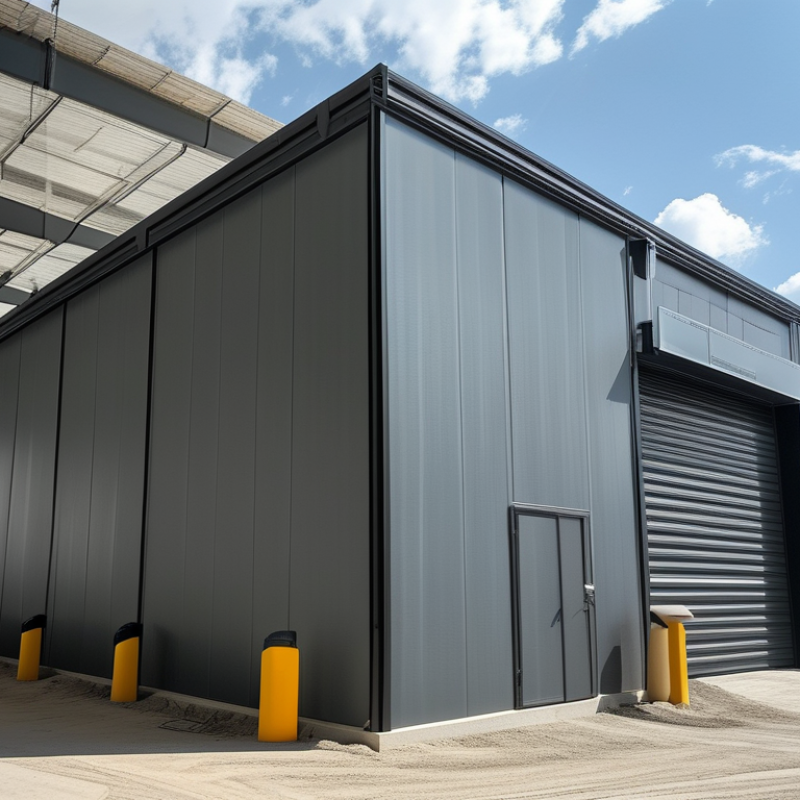
Prefabricated warehouses are gaining popularity in various industries. Their construction process offers significant advantages. These structures are built off-site and assembled on location. This method reduces construction time and allows for flexibility in design. Businesses can customize their warehouse to meet specific requirements. However, it’s essential to evaluate the pros and cons before making a decision.
Tips: Consider the long-term needs of your business. A prefabricated warehouse may be a perfect fit if you anticipate growth. Furthermore, think about the location. Accessibility can influence operational efficiency. Ensure that your site selection aligns with logistics.
Building a prefabricated warehouse might seem straightforward, but planning is crucial. Challenges can arise when discussing zoning laws or building codes. Consult experts who understand local regulations. This could save you time and money. Engage with a contractor who specializes in prefabricated construction. Although this approach offers benefits, thorough research and consideration of all aspects are necessary.
When considering a prefabricated warehouse, several factors impact its cost significantly. The size of the warehouse is one of the primary influencers. Larger structures require more materials and space. This can drive up costs substantially. Depending on your specific needs, the footprint can vary greatly. For example, a small storage unit might suffice for some businesses, while larger operations may need expansive environments.
The materials used in construction also play a critical role. Different types of steel and insulation affect both price and durability. Choosing higher quality materials may increase initial costs but provide long-term savings through energy efficiency. Labor costs can vary by location, impacting overall affordability. Additionally, the complexity of the design can lead to unexpected expenses. A more intricate layout demands skilled labor and can extend the project timeline.
Regulatory requirements shouldn't be overlooked. Local codes can affect warehouse specifications. Ensuring compliance might add to your budget. It's wise to consult with local authorities early in the planning process to avoid costly adjustments later. These elements demand careful consideration and research. A thorough analysis will help you make an informed decision that aligns with your business needs.
When considering the cost of a prefabricated warehouse, various factors come into play.
Materials typically account for 40-50% of the total cost.
Steel structures are common due to their strength and durability. According to a recent industry report, the cost of steel has increased by 20% over the past two years, affecting overall prices.
Some alternatives like wood or polymer can also provide cost-effective solutions, but they might not match steel’s longevity.
Labor costs often comprise 30-40% of the total expenditure. Hiring experienced labor is essential for proper installation, which can save money in the long run.
An industry survey indicated that skilled labor rates can vary significantly by region. In some areas, costs can reach up to $50 per hour, while other regions may offer rates as low as $25.
This variation impacts the overall project budget and should be carefully considered during planning.
Installation adds another layer to the pricing. This stage may account for an additional 10-20% of the total cost. Factors here include site preparation and the complexity of the build.
A poorly planned installation can lead to unforeseen expenses and delays. Each phase of the process presents a chance for miscalculation.
Therefore, it's crucial to do thorough research and seek expert advice to ensure a successful investment.
When comparing prefabricated and traditional warehouses, cost is a key factor. Prefabricated warehouses often have lower initial expenses. They are built off-site and assembled quickly, which cuts labor costs. In many cases, you can save up to 30% compared to traditional construction methods. This price advantage can be critical for businesses looking to optimize budgets.
However, while prefabricated structures offer lower costs, they may lack customization options. Traditional warehouses, though pricier, allow for greater design flexibility. More personalization could lead to improved functionality. Consider how your business will use the space. A tailored warehouse can enhance operations, even if the upfront cost is higher.
**Tips:** When choosing a warehouse type, focus on long-term needs. Will you need expansion in the future? Plan accordingly. Always compare different quotes. Look for hidden costs in construction. This will ensure you make a wise investment. Additionally, remember to review the warranty and after-sales support. These details matter in the long run.
When considering a prefabricated warehouse, budgeting is pivotal. Begin by understanding the total costs involved. Factors like size, materials, and customization will significantly impact your budget. Basic models may start around $15,000, while larger, specialized warehouses can exceed $100,000. Ensure you also consider land preparation, utility connections, and permits. These can easily add thousands to your initial budget.
Identify financing options available for your project. Traditional loans, leasing, or even grants can ease financial stress. It’s crucial to compare interest rates and terms. Sometimes, businesses underestimate these aspects. You might find that a small increase in your budget can lead to better quality materials. Conduct thorough research on local regulations. Unforeseen compliance costs can derail your financial planning.
Don’t forget about ongoing expenses. Insurance, maintenance, and operational costs are sometimes overlooked. These can accumulate and strain your finances. Engage with experts who can offer insights into realistic budgeting. Their experience can help you navigate challenges. You may discover that investing more upfront can save money down the road. A well-planned budget enables you to achieve a functional warehouse tailored to your needs.
| Size (sq ft) | Average Cost ($) | Additional Costs ($) | Estimated Time to Install (weeks) |
|---|---|---|---|
| 1,000 | $30,000 | $5,000 | 4 |
| 2,500 | $70,000 | $10,000 | 6 |
| 5,000 | $120,000 | $15,000 | 8 |
| 10,000 | $200,000 | $25,000 | 10 |
| 20,000 | $350,000 | $50,000 | 12 |
: Prefabricated warehouses are structures built off-site and assembled at the desired location.
They reduce construction time and offer design flexibility for businesses to meet specific needs.
Size, materials, labor costs, design complexity, and local regulations can all impact the overall cost significantly.
Accessibility is crucial; it can influence operational efficiency and logistics of the business.
They should evaluate long-term needs, local zoning laws, and potential regulatory challenges for planning.
Budgeting is essential; initial costs and ongoing expenses can significantly impact financial health.
Yes, traditional loans, leasing, and grants can help ease financial burdens for businesses.
Insurance, maintenance, and operational costs are often overlooked but can add up over time.
Yes, consulting professionals can provide valuable insights and help avoid costly mistakes.
Yes, investing in better materials may increase upfront costs but can lead to long-term savings through durability and energy efficiency.
When considering "how much does a prefabricated warehouse cost," it's essential to understand the various factors influencing the price. Prefabricated warehouses offer an efficient and cost-effective alternative to traditional construction, but their total cost can vary significantly. Key elements influencing the price include the materials used, labor costs, and installation requirements.
A detailed cost breakdown reveals that while prefabricated warehouses may have lower material costs, additional expenses such as site preparation and transportation must be factored in. Comparing prices between prefabricated and conventional warehouses further highlights the potential savings and benefits of opting for prefabricated solutions. Businesses should also consider budgeting tips to ensure they make informed financial decisions when purchasing a prefabricated warehouse, maximizing their investment while meeting their operational needs.

Metro Build