The question, "are prefabricated warehouses cheaper than traditional warehouses," has generated much discussion in the industry. John Smith, a leading expert in warehouse construction, states, “Prefabricated structures often reduce costs through quicker assembly and less labor.” This viewpoint reflects a growing trend towards efficiency and budget-friendly options in warehouse construction.
Prefabricated warehouses are increasingly popular due to their perceived cost benefits. They tend to require less time for construction compared to traditional warehouses. However, some argue this could lead to compromises in quality. Many developers appreciate the modular design that allows for customization; yet, questions about durability persist.
While many favor prefabricated options for their potential savings, they may overlook long-term factors. Initial cost savings do not always translate to overall economic benefits. Businesses must evaluate their specific needs, considering factors like location, materials, and future expansion. The answer to whether "are prefabricated warehouses cheaper than traditional warehouses" may vary significantly depending on individual circumstances.
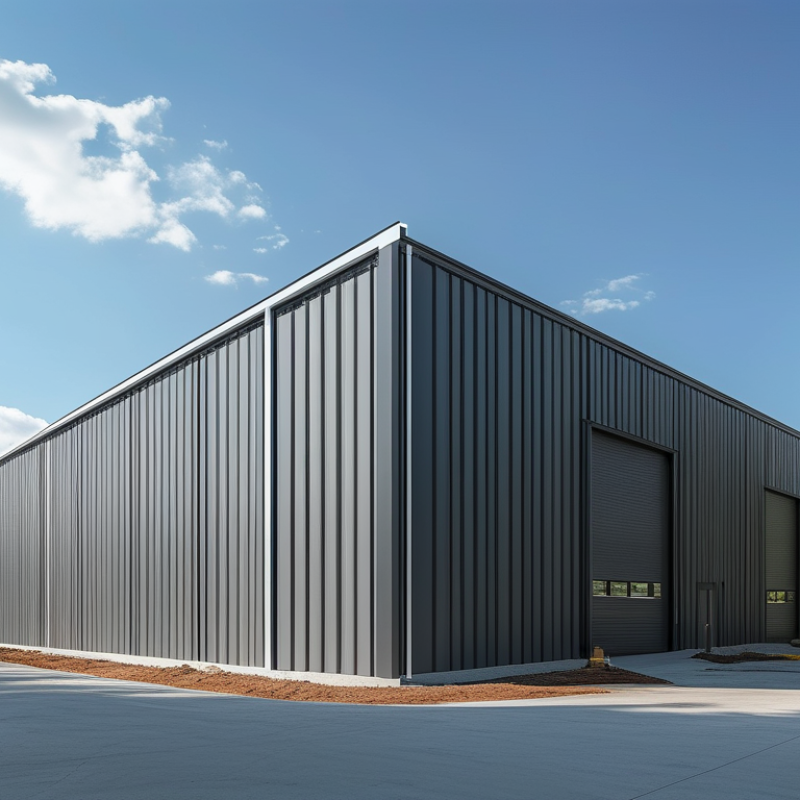
Definition of Prefabricated Warehouses
Prefabricated warehouses are structures made from pre-manufactured components. These components are produced in a factory and then assembled on-site. This method offers flexibility and efficiency in construction. Research from the National Institute of Building Sciences shows that prefabricated structures can be completed up to 50% faster than traditional warehouses.
Cost efficiency is a significant concern in the warehousing sector. A report by the Modular Building Institute states that prefabricated warehouses can reduce construction costs by approximately 20-30%. These savings arise from decreased labor costs and shorter construction timeframes. However, it’s crucial to consider the location and specific requirements of a project.
Despite the benefits, not all projects suit the prefabrication model. Some businesses may require highly customized solutions that traditional warehouses can better accommodate. A comparison of energy efficiency also showed mixed results, with some prefabricated buildings being less efficient than their traditional counterparts. Balancing the pros and cons is essential for decision-making in warehousing options.
Cost Comparison: Prefabricated vs. Traditional Warehouses
When comparing prefabricated warehouses to traditional ones, cost plays a significant role. Prefabricated warehouses often have lower initial costs due to reduced construction time. These structures are engineered off-site, minimizing labor expenses and project delays. However, the overall savings can vary based on specific project needs. Local building regulations and site conditions can impact costs.
Traditional warehouses usually involve longer construction times and higher material costs. Yet, they offer customization and flexibility, which can be vital for some businesses. Property owners might find these traditional buildings more reliable for their long-term investments. But, this reliability comes with a price. As the market evolves, businesses must choose the right type based on their unique operational demands.
While prefabricated warehouses may promise initial savings, potential hidden costs should be considered. Transportation fees and site preparation can add up quickly. Businesses should carefully evaluate all aspects to determine which option truly fits their needs.
Are Prefabricated Warehouses Cheaper Than Traditional Warehouses? - Cost Comparison
| Item |
Prefabricated Warehouse |
Traditional Warehouse |
| Initial Construction Cost |
$50 per sq ft |
$75 per sq ft |
| Construction Time |
3 months |
6 months |
| Maintenance Cost (Annual) |
$2,000 |
$5,000 |
| Energy Efficiency |
High |
Moderate |
| Lifespan |
50 years |
30 years |
Factors Influencing Warehouse Construction Costs
When considering the costs of warehouse construction, several factors come into play.
Location significantly affects expenses. A site in a prime area may increase costs due to land value.
Additionally, labor availability can vary, influencing overall pricing. Regions with skilled labor often see higher construction expenses.
Yet this can enhance quality and durability.
Materials used for prefabricated warehouses also impact costs. Prefabricated structures typically use steel and other ready-made components.
These can lower onsite labor needs and time. However, the initial investment may still be higher. Quality controls and end-use flexibility might justify these costs.
Environmental considerations also matter. Sustainable materials can increase upfront costs but offer long-term savings.
Design complexity is another crucial factor. Simple designs reduce overall expenses. Conversely, intricate designs increase both time and money.
Warehouse efficiency is vital. An efficient layout can minimize operational costs over time. These elements reveal the challenges in determining true construction costs.
Each factor requires careful consideration and a balanced approach in decision-making.
Benefits of Choosing Prefabricated Warehouses
Prefabricated warehouses are increasingly popular. They offer significant benefits over traditional structures. These warehouses are designed and manufactured off-site, allowing for faster assembly. Business owners appreciate shorter construction times, which means lower labor costs and quicker operational start-up.
Another advantage is cost-effectiveness. Prefabricated materials often reduce overall expenses. They can be tailored to specific needs, accommodating various sizes and layouts. This flexibility can lead to additional savings. Furthermore, many prefabricated options come with energy-efficient features. These can reduce long-term utility bills, making them more economically viable.
However, there are some considerations. The quality of material can vary among manufacturers. Some companies may cut corners to lower prices. Buyers should research suppliers thoroughly to ensure reliability. This caution helps avoid issues later. While prefabricated warehouses can be beneficial, making informed choices is crucial.
Long-term Economic Implications of Warehouse Types
In examining the long-term economic implications of prefabricated warehouses versus traditional structures, the cost efficiency of prefabricated options becomes apparent. According to a report by Grand View Research, prefabricated warehouses can save businesses up to 30% in construction costs. These savings stem from quicker assembly times and reduced labor expenses. Prefabricated designs often require fewer materials, minimizing waste and environmental impact. This financial advantage can greatly benefit businesses seeking to optimize their logistics.
Moreover, ongoing operational costs play a crucial role. Prefabricated warehouses generally offer superior energy efficiency, translating to lower utility bills. The U.S. Department of Energy highlights that modern prefabricated designs can yield energy savings of approximately 20% compared to traditional options. This aspect becomes increasingly important as companies aim to reduce their carbon footprint while maintaining profitability. However, durability concerns must be addressed. Some companies may find prefabricated structures less resilient than traditionally built warehouses, leading to potential long-term maintenance costs.
Investing in prefabricated warehouses involves weighing immediate financial benefits against future challenges. Companies must consider factors like site location, climate conditions, and the specific needs of their operations. Validating the long-term viability of these structures is essential. Decision-makers should conduct thorough assessments, focusing on both cost-effectiveness and structural reliability to make informed choices.
Conclusion
The article explores the question, "Are prefabricated warehouses cheaper than traditional warehouses?" by first defining prefabricated warehouses and outlining their cost advantages. It presents a detailed cost comparison between the two types of structures, highlighting that prefabricated warehouses often require lower initial investments due to reduced labor and construction time. Additionally, the article examines various factors influencing construction costs, such as design complexity and location.
Beyond immediate costs, the benefits of choosing prefabricated warehouses, including faster assembly and flexibility in design, are discussed. The long-term economic implications suggest that while initial savings may be substantial, the total cost of ownership over time should also be considered. Ultimately, the article provides a comprehensive analysis to help prospective warehouse owners determine whether prefabricated warehouses are indeed more economical than their traditional counterparts.

 Metro Build