In today's logistics landscape, understanding warehouse types is crucial. Many businesses wonder what is the difference between prefab and conventional warehouses. Prefabricated warehouses are built off-site, offering speed and efficiency. They can be customized quickly to meet specific needs. Conventional warehouses are constructed on-site, which can take longer. Each method presents unique advantages and challenges.
Prefab warehouses often provide a cost-effective solution for rapidly growing companies. The materials are engineered for durability, leading to lower maintenance costs. Conversely, conventional warehouses boast a strong, traditional build. Businesses might feel more secure with a conventional design, but timelines can stretch significantly.
Choosing between these options requires careful consideration. Factors like location, budget, and intended use play a vital role. It's essential to weigh the pros and cons of both types. Reflection on past experiences can guide future decisions. Ultimately, making the best choice hinges on understanding these fundamental differences.
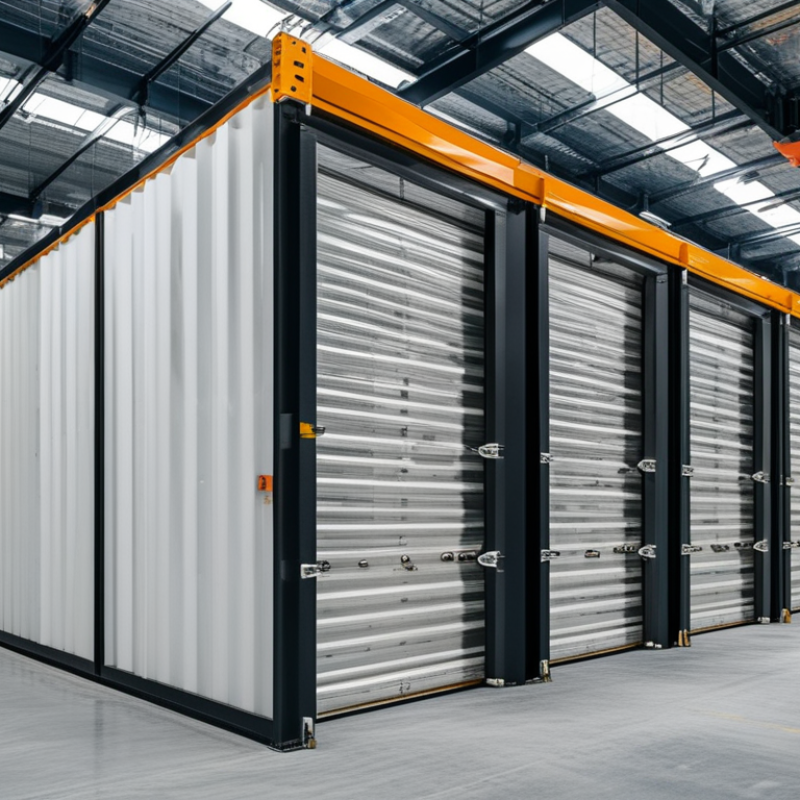
Prefabricated warehouses offer unique advantages that set them apart from conventional structures. These buildings are assembled off-site, reducing construction time significantly. Prefab warehouses can be customized in design and size. They provide flexibility for various industries, from retail to manufacturing. The ease of expansion is a key feature. If your business grows, you can easily add to your prefab structure.
Cost savings are another benefit of prefabricated warehouses. They often require less labor and materials than traditional construction. This leads to a faster return on investment. Energy efficiency is also a crucial aspect. Many prefab designs incorporate innovative insulation and energy-efficient materials. However, the initial design phase requires careful consideration. Poor planning can lead to costly adjustments later.
Durability is a point to ponder. While prefab warehouses are built to last, they may not always match the longevity of well-constructed conventional buildings. Environmental factors play a role in this aspect, and local climate should be considered. Additionally, local building codes might complicate the process. Understanding the nuances of prefab versus conventional warehouses is essential for making informed decisions.
When analyzing conventional warehouses, cost and construction time emerge as critical factors. Many businesses opt for traditional warehouses due to perceived reliability. These structures often require extensive planning and lengthy approvals. This can delay the construction process significantly.
Construction times can vary. Securing permits and conducting site preparation often takes several months. Additionally, labor availability impacts timelines. Labor shortages can lead to increased costs and extended delays. On average, a conventional warehouse may take six months to a year to complete, barring unexpected challenges.
Cost considerations are equally complex. Traditional warehouses often incur higher material costs, especially with inflation. The need for specialized labor adds to the overall expense. Many companies find themselves evaluating their budgets closely. While conventional warehouses offer permanence, fluctuating costs can lead to financial strain. Consequently, businesses must weigh these factors against the advantages of prefab options.
When assessing the durability and maintenance of prefab versus conventional warehouses, several factors come into play. Prefab warehouses are often constructed with engineered materials that can withstand various weather conditions. They tend to be quicker to assemble, leading to lower initial labor costs and reduced disruption during construction. However, some might argue that while prefab buildings are designed for efficiency, they may not always offer the same level of customization as conventional warehouses.
Conventional warehouses usually involve traditional building methods that focus on longevity. They often utilize standard materials like concrete and steel, which can enhance their resistance to wear and tear over time. Maintenance for these warehouses can be more straightforward, as the materials used are often well-understood and widely available. On the downside, this approach can require more time and investment for construction.
While both options have their merits, the decision may rely on specific needs. One could argue that prefab warehouses are more cost-effective in the short term. Conversely, others may find that the longevity of traditional methods justifies the initial expense. It's essential for businesses to weigh these factors carefully when choosing a warehouse type.
In warehouse design, space efficiency and flexibility are crucial factors. A data-driven approach reveals that prefab warehouses can offer significant advantages over conventional structures. Research indicates that prefab warehouses can reduce construction time by 30% to 50%. This efficiency translates to quicker occupancy and a faster return on investment.
Additionally, a study from the International Warehouse Logistics Association suggests that flexible layouts in prefab designs can improve space utilization by up to 20%. This is essential for businesses facing fluctuating inventory needs. The ability to adapt warehouse space according to seasonal demand is a key benefit that many businesses overlook.
However, the initial costs of prefab construction can sometimes be higher than traditional methods. It's important for businesses to weigh these costs against long-term benefits. Data shows that operational savings achieved through better space management often outweigh initial investments. Thus, assessing specific needs and growth potential is vital in making informed decisions.
The logistics industry has been experiencing a significant shift towards prefab warehouses. According to recent market reports, prefab warehouses can reduce construction time by up to 50%. This efficiency allows businesses to respond quickly to changing market demands. As global supply chains grow more complex, the demand for flexible and scalable storage solutions rises. Data indicates that prefab warehouses are projected to dominate approximately 30% of the market by 2026.
Prefab warehouses provide numerous advantages over conventional structures. They are often more cost-effective and environmentally friendly. The materials used in prefab designs tend to produce less waste during construction. Additionally, they can incorporate energy-efficient technologies. However, not all prefab options are equal; some designs may lack durability. Companies considering prefab should carefully evaluate their long-term utility.
When assessing warehouse options, consider your specific needs. Look for customizable designs that can adapt to future growth. It’s also essential to analyze the upfront costs versus long-term savings. Monitoring material quality is crucial to avoid potential maintenance issues down the road. These factors play a vital role in ensuring your investment pays off.
: Prefab warehouses are cost-effective and quicker to construct. They can reduce build time by up to 50%.
Conventional warehouses focus on longevity and use familiar materials like concrete and steel, which improve durability.
While prefab designs can offer some customization, they may not match the level of traditional warehouses.
Conventional warehouses typically utilize concrete and steel, enhancing their resistance to wear and tear.
Companies should evaluate customizability, upfront costs, and long-term savings before making a decision.
Faster construction with prefab options allows businesses to respond quickly to market demands.
Yes, prefab warehouses tend to generate less waste during construction and can incorporate energy-efficient technologies.
It's essential to check material quality to avoid future maintenance problems.
Yes, traditional methods generally need more time and resources for construction compared to prefab options.
Companies sometimes underestimate the importance of long-term utility and material quality.
The article "How to Understand the Difference Between Prefab and Conventional Warehouses" provides a comprehensive overview of the key distinctions between these two types of warehouse construction. It begins by outlining the features and benefits of prefab warehouses, emphasizing their modular design and quicker assembly. In contrast, conventional warehouses are analyzed in terms of cost and construction time factors, revealing that they often require more upfront investment and longer build times.
A comparative analysis highlights the durability and maintenance requirements of both structures, with prefab options frequently offering lower long-term maintenance costs. The article also addresses space efficiency and flexibility in design, presenting a data-driven approach to optimizing warehouse layouts. Finally, it discusses current market trends that indicate a rising preference for prefab warehouses in the logistics industry. Overall, this examination offers valuable insights into what is the difference between prefab and conventional warehouses, helping stakeholders make informed decisions regarding warehouse investments.

Metro Build