Why are prefabricated warehouses becoming more popular? The answer starts with practical pressure. Manufacturers need storage space quickly, but conventional construction can create long schedules, weather delays, and unpredictable labor costs. Prefabricated steel components arrive prepared for assembly. On a typical project, columns, roof panels, and wall systems can be organized before the foundation is complete. That coordination reduces confusion on site.
Michelle Kaufmann, a respected expert in prefabricated architecture, said, “Prefab is not a style; it’s a process.” Her point remains useful for warehouse buyers. A prefabricated warehouse is not automatically efficient. Its value depends on engineering quality, accurate fabrication, insulation design, drainage, fire protection, and installation control. Small details matter. A poorly sealed panel can turn rain into damaged inventory.
China’s leading prefab warehouse suppliers are popular because many offer integrated services. These may include structural design, steel fabrication, customization, shipping support, and installation guidance. Experienced buyers often compare more than price. They review material certificates, wind and snow-load calculations, welding procedures, project references, and after-sales support. They also confirm whether the design meets local building requirements.
Still, popularity should not become a shortcut. Some suppliers present attractive renders but provide weak technical documents. That is a warning sign. A reliable supplier explains assumptions clearly and admits project limitations. The best warehouse is not always the cheapest or fastest option. It should fit the site, climate, operational flow, and future expansion plans. This is why the China top 10 prefab warehouse suppliers deserve careful comparison, not blind trust.
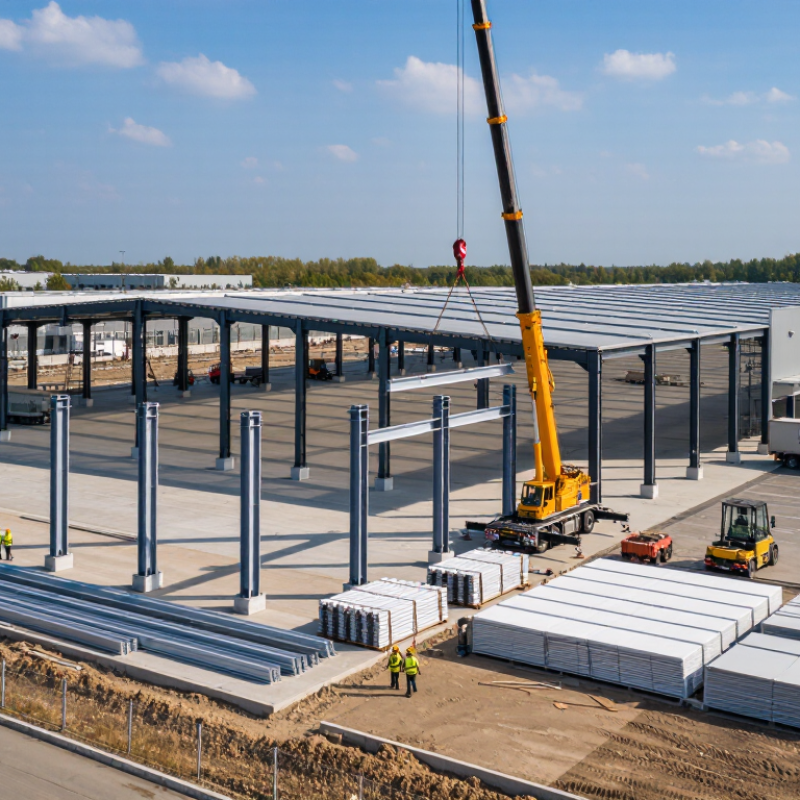
Prefab warehouses are buildings assembled from factory-made parts instead of being built entirely on site. Steel frames, insulated wall panels, roofing sheets, doors, and ventilation units are produced to measured specifications. Each component arrives labeled, drilled, and ready for installation. This reduces cutting, welding, and material waste at the construction site.
The process begins with a site survey and a clear storage plan. Engineers check soil strength, wind exposure, drainage, and the size of stored goods. Workers then prepare the foundation, usually with concrete pads or a reinforced slab. Cranes lift the steel frame into position. Panels are fixed afterward, creating the walls and roof. Electrical systems, lighting, fire protection, and loading doors follow.
A practical example is a 1,000-square-meter warehouse with five-meter-high walls and wide vehicle access. Its layout can support pallet racks, forklifts, and separate receiving areas. Insulated panels help control indoor temperature, while roof ventilation reduces heat buildup. The system is not magic. A rushed survey can cause drainage problems, poor airflow, or expensive changes later. Bolts also need regular inspection after strong winds. Good suppliers provide drawings, material records, installation guidance, and quality checks. Reliable results depend on accurate measurements and skilled assembly, not speed alone.
It is assembled from factory-made steel frames, wall panels, roofing sheets, doors, and ventilation units. Each part arrives labeled and drilled. This can reduce on-site cutting, welding, and waste.
Engineers survey the site, checking soil strength, wind exposure, drainage, and stored goods. Workers prepare concrete pads or a reinforced slab. Cranes lift the frame, then workers attach walls, roofing, electrical systems, lighting, and loading doors.
Five-meter walls can support pallet racks, forklifts, and separate receiving zones. Wide vehicle access improves loading movement. Insulated panels help control temperature, while roof vents reduce heat buildup.
Poor drainage may leave water near the foundation after heavy rain. Weak airflow can create heat or condensation problems. Late changes become expensive. Speed is not enough.
Request structural drawings, welding procedures, material certificates, and recent project records. Check steel grades, coating thickness, roof loads, drainage, and fire-resistance details. Factory visits can reveal uneven welds, damaged panels, or poor packing.
Rankings can help create a shortlist, but they do not prove workmanship. Marketing may receive more attention than long-term performance. Compare at least three quotations using identical specifications. A ranking can be wrong.
Standardized frames, automated cutting, and controlled welding can reduce production time and material waste. Suppliers may adjust insulation, roof slopes, doors, and ventilation for different climates. A cold coastal site needs different protection from a hot, humid location.
It should list steel quantities, coatings, panels, doors, ventilation, foundation assumptions, delivery, installation, and taxes. Ask about packaging and delivery protection. Unusually low prices may hide thinner steel or weaker coatings. Cheap is not always better.
Request connection details, wind and snow-load calculations, quality records, and traceable material batches. Confirm the design standards required in the project location. Independent testing may be necessary. Do not rely on photos alone.
Inspect bolts after strong winds and check roofing, drainage, panels, and ventilation regularly. Look for loose connections, leaks, corrosion, or damaged insulation. Small defects can grow quietly. I might underestimate maintenance costs.
This article explains what prefab warehouses are, how their modular components are designed, manufactured, transported, and assembled, and why they offer a practical alternative to traditional construction. It also outlines how to identify China’s top prefab warehouse suppliers by evaluating manufacturing capacity, engineering expertise, material quality, certifications, customization options, project experience, delivery schedules, and after-sales support. Leading suppliers typically provide structural systems, insulation, roofing, doors, ventilation, electrical solutions, installation guidance, and complete project services tailored to different storage and industrial needs.
The discussion also explores why are prefabricated warehouses becoming more popular worldwide. Their shorter construction time, controlled production quality, flexible layouts, efficient use of materials, scalability, and competitive overall cost make them attractive to businesses in many regions. To choose the right supplier, buyers should compare technical proposals, communication standards, warranty terms, compliance documentation, logistics capabilities, and the supplier’s ability to deliver a safe, durable, and efficient warehouse solution.

 Metro Build