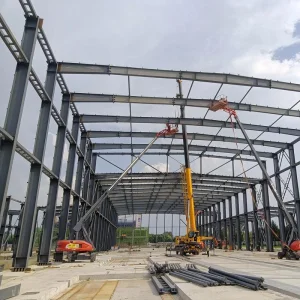
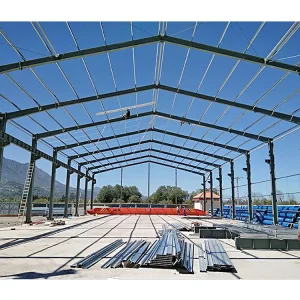
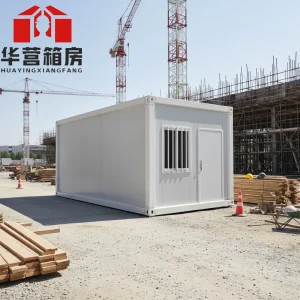
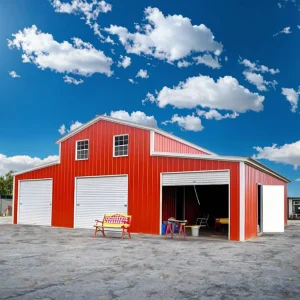
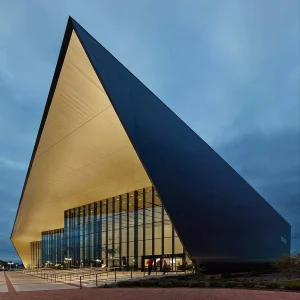
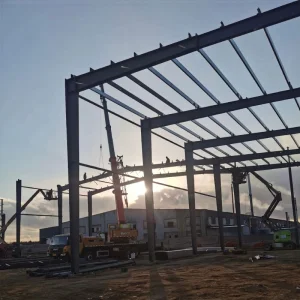
Explore our foundational structural systems engineered for modular deployment, maximum clear spans, and automated material handling compatibility.
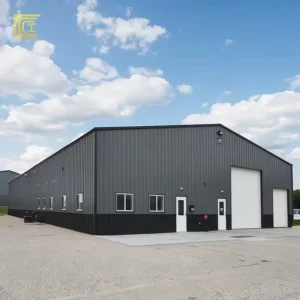
In the modern landscape of global supply chain management, warehousing is no longer merely a dry storage shell. It functions as a dynamic, cyber-physical node. Dongguan Metro Build Co., Ltd. stands at the forefront of this industrial revolution. As a premier China prefabricated warehouse building manufacturer and exporter, we specialized in high-performance steel warehouse structures custom-built to support automated storage and retrieval systems (AS/RS), autonomous mobile robots (AMRs), and multi-tier overhead conveyor networks.
Achieving seamless synchronization between high-tolerance robotic hardware and prefabricated structural steel frames requires rigorous structural calculations, advanced material engineering, and close compliance with global building codes (including AISC, Eurocode, CE, and UKCA). By leveraging structural prefabrication, Metro Build provides developers, logistics operators, and global enterprises with rapid on-site assembly, lower lifecycle maintenance costs, and high spatial efficiency.
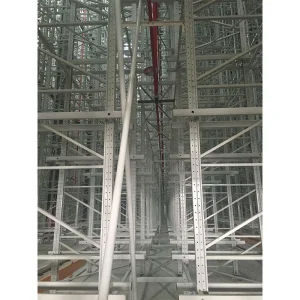
Designing facilities for automated systems requires much tighter tolerances than traditional forklift-operated storage. In automated high-bay warehouses, where rack structures often reach heights of 25 to 45 meters, structural deflections caused by wind loads, seismic events, or asymmetric dynamic loading can disrupt high-speed stacker cranes and automated storage and retrieval systems (AS/RS).
We configure structural steel frames to adhere to strict deflection limits (L/300 to L/400 for primary beams, and up to L/600 for specialized crane run-ways) to ensure autonomous shuttles operate without structural misalignment.
Our engineering team coordinates structural designs with specialized floor layout specs, meeting DIN 18202 FM1/FM2 standards to avoid navigation and tilt errors in AGVs and AMRs.
Dynamic finite element analysis (FEA) is utilized to design heavy-duty steel framing capable of absorbing harmonic vibrations from high-acceleration automated storage shuttles.
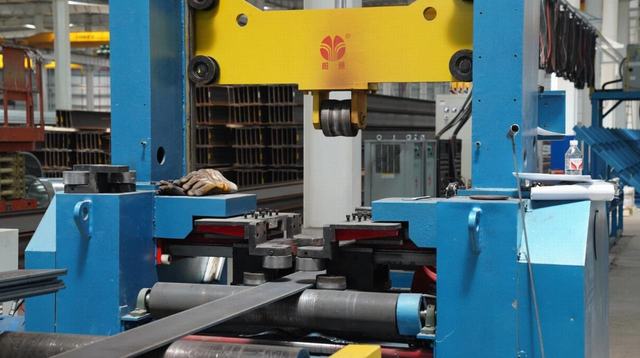
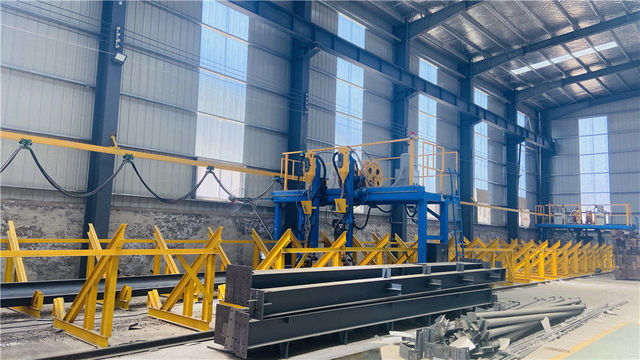
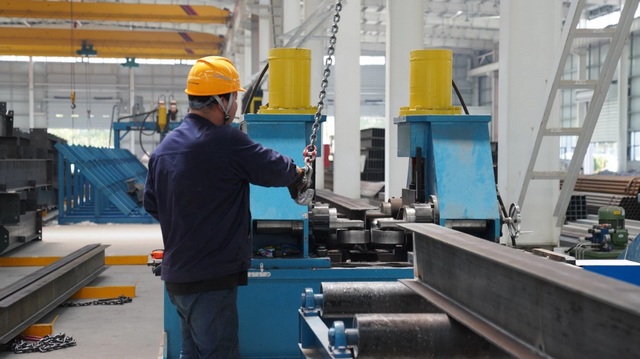
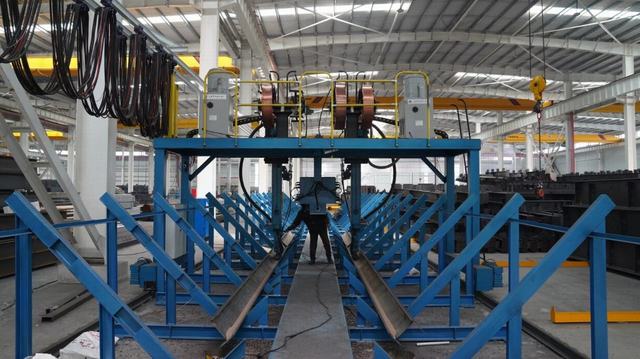
Dongguan Metro Build Co., Ltd. incorporates these parameters into our structural engineering from the start. By utilizing high-yield strength steel profiles (Q355B, Q460, or ASTM A572 Grade 50) and applying automated SAW (Submerged Arc Welding) and CNC laser cutting, we manufacture structural components with high precision. This simplifies on-site bolt-together assembly and minimizes field modifications.
Dongguan and the broader Pearl River Delta region form one of the world's most dense manufacturing ecosystems for structural steel and industrial automation. Our facility leverages this industrial cluster to secure key advantages:
These benefits help global procurement teams reduce lead times and manage shipping costs, while maintaining high structural quality.
Modern commercial warehousing is adapting to two major global pressures: achieving net-zero carbon footprints and minimizing on-site construction timelines.
Prefabricated structural steel is inherently circular, allowing for disassembly, repurposing, or recycling at the end of a building's lifecycle. Metro Build addresses environmental standards by integrating high-performance envelope systems. For example, our polyisocyanurate (PIR) and polyurethane (PU) insulated sandwich panels achieve low thermal transmittance (U-values below 0.22 W/m²K), which reduces HVAC loads in cold-chain and temperature-controlled distribution centers.
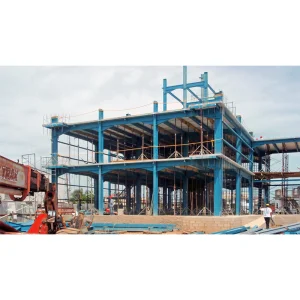
Additionally, modular design allows for parallel workflows. While site preparation and foundation pouring are underway at the project site, our production facility in Dongguan manufactures the primary columns, trusses, and roof structures. This approach can shorten overall project schedules by up to 40% compared to traditional on-site construction methods.
Depending on regional requirements, automated facilities must be engineered to handle specific environmental conditions:
Engineered with moment-resisting frames (MRFs) and braced frame structures designed to meet ASCE 7 and Eurocode 8 standards, providing stability in typhoon and earthquake-prone regions.
Features thermal bridge insulation designs that maintain sub-zero temperatures (down to -30°C) without causing thermal contraction cracks in the supporting structural steel.
Designed with high-clearance overhead cranes, honeycomb girders for service routing, and reinforced mezzanines capable of supporting heavy production equipment.
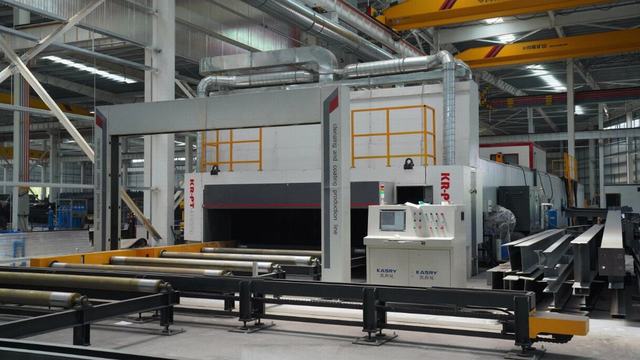
Procuring structural steel from China requires a structured verification process to ensure international compliance, structural safety, and efficient on-site assembly. We recommend procurement teams follow this step-by-step checklist:
Dongguan Metro Build Co., Ltd. provides a single source of responsibility, from initial structural design and manufacturing to logistics coordination, ensuring our prefabricated components arrive on-site ready for installation.
Technical answers to common questions regarding structural steel design, manufacturing, and automated facility integration.
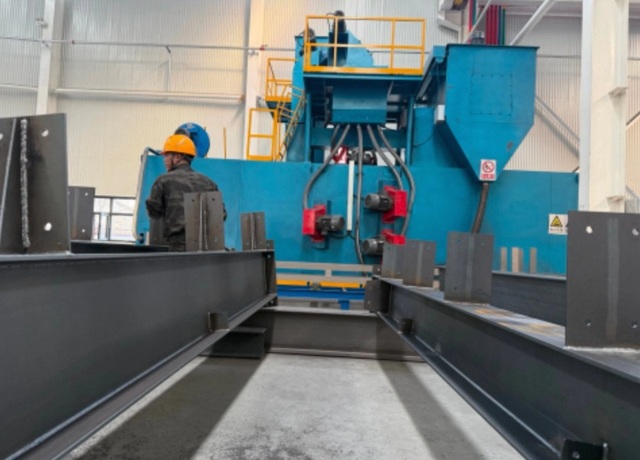
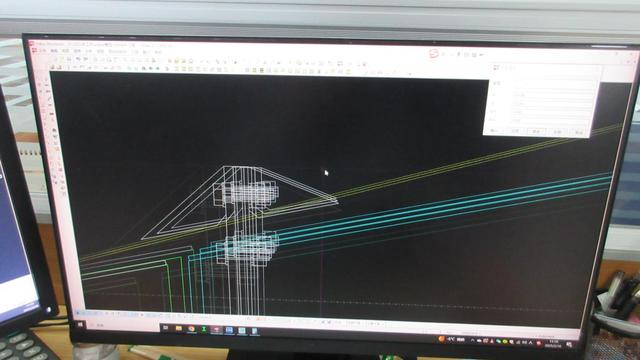
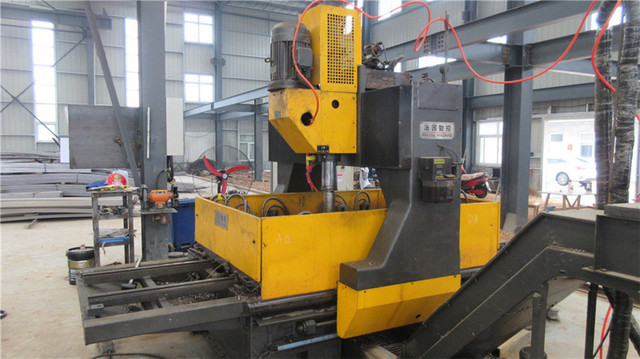
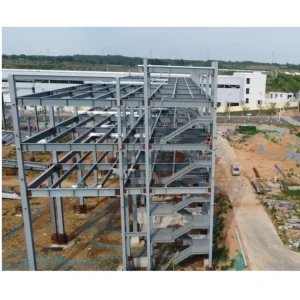
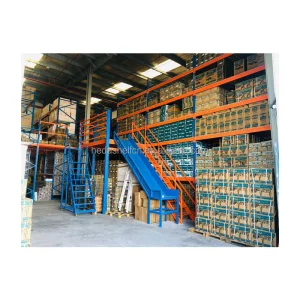
Engineered for multi-level space optimization, clean installations, and integration with automated storage systems.
 Metro Build