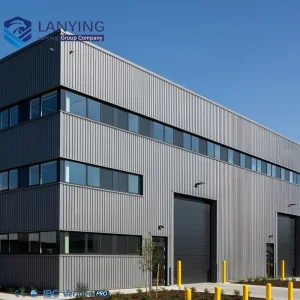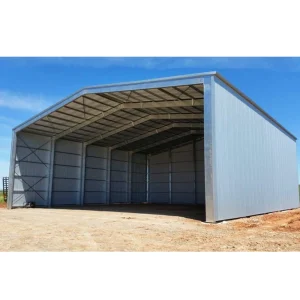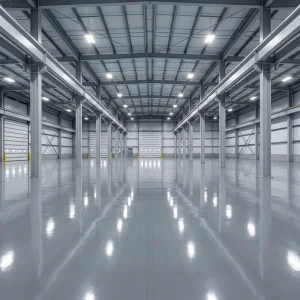
Custom OEM Cold Storage Facilities Manufacturers & Factory

High-Performance Prefabricated Cold Storage Infrastructure & Structural Steel Warehouse Engineering Solutions for Global Logistics Supply Chains

Engineered for Thermal Efficiency & Structural Integrity

Dongguan Metro Build Co., Ltd. integrates advanced structural mechanics with thermodynamics to develop high-performance industrial cold storage solutions.

Advanced Thermal Isolation

Utilizing high-density PUR/PIR sandwich panels with thickness ranges up to 200mm, ensuring zero thermal bridging and superior thermal resistance (R-values up to 40+).

Global Code Compliance

Fully compliant with international structural codes including ASTM, AISC, Eurocodes, and GB standardizations for wind load, seismic activity, and safety criteria.

Custom OEM Adaptation

Modular component designs allowing easy scaling, customized multi-temperature zonings, automated retrieval rack integrations, and custom door profiles.

20+ Years Industry Experience
50+ Countries Supported
100% AISC & Eurocode Standards
35% Average Energy Savings

Industrial Whitepaper: Engineering Next-Generation Cold Storage Infrastructure

The expansion of global cold chains, fueled by biometric pharmaceuticals, e-grocery booms, and quick-commerce food logistics, has changed the demands placed on modern industrial buildings. No longer are cold storage facilities simple warehouses fitted with industrial cooling fans. Modern design demands a high-performance, thermodynamic envelope capable of maintaining structural stability across extreme temperature differentials of over 60°C. As a leading manufacturer of prefabricated steel buildings, Dongguan Metro Build Co., Ltd. stands at the forefront of this industrial transformation.

1. Understanding Structural Steel Engineering in Sub-Zero Climates

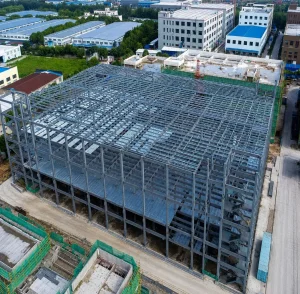
Standard carbon steel exhibits structural brittleness at low temperatures. A failure to select the proper steel grade can result in cracking and rapid structural deterioration under load. Dongguan Metro Build solves this by engineering custom frames using heavy-duty, high-strength structural steels (such as Q355B or equivalent international grades) that undergo custom chemical alloy processing to ensure toughness at sub-zero operating environments down to -40°C.

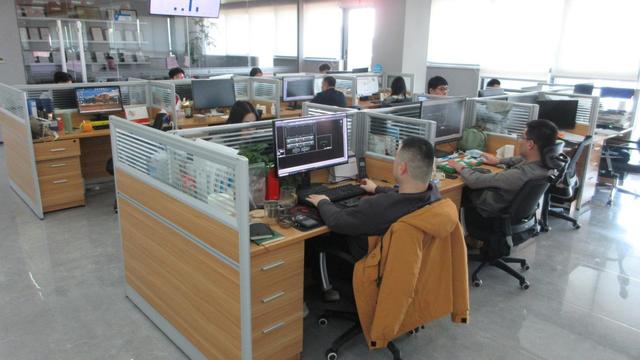
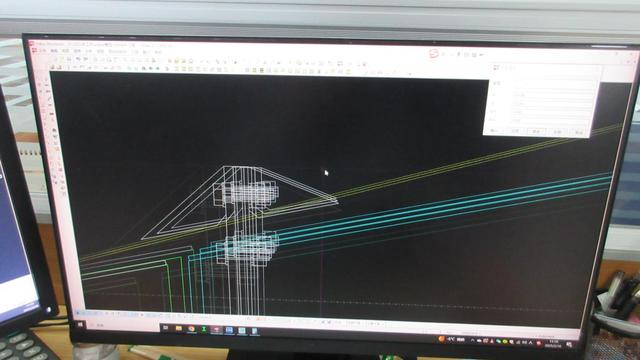
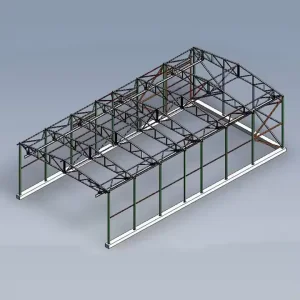
By leveraging advanced CAD and BIM modeling, our engineering department simulates wind loading, seismic stress, and static dead-load metrics. Every column, H-beam, purlin, and bracing component is fabricated with exact specifications to prevent deflection. This structural rigidity is critical when integrating heavy Automated Storage and Retrieval Systems (ASRS), which require tolerances measured in millimeters across heights of up to 45 meters.

2. Cold Storage Insulation Systems: Eliminating Thermal Bridging

The greatest enemy of energy efficiency in a cold storage facility is the thermal bridge—the transfer of heat through structural connections. When steel columns pass through cold insulation envelopes, they act as conductors, drawing heat in and causing frost accumulation. To combat this, Metro Build utilizes:

  • PIR (Polyisocyanurate) Sandwich Panels: Offering Class B1/FM-Approved fire resistance, low smoke emissions, and low thermal conductivity (λ ≈ 0.020 W/m·K).
  • Thermal Breaks & Isolation Gaskets: Specialized non-conductive spacer blocks under base plates and column joins that completely isolate cold internal spaces from the warm exterior foundations.
  • Cam-Lock Seams & Double Tongue-and-Groove Joints: Ensuring tight joints that prevent water vapor ingress and eliminate condensation build-up inside the insulated envelope.

3. China Supply Chain Advantages: Precision at Scale

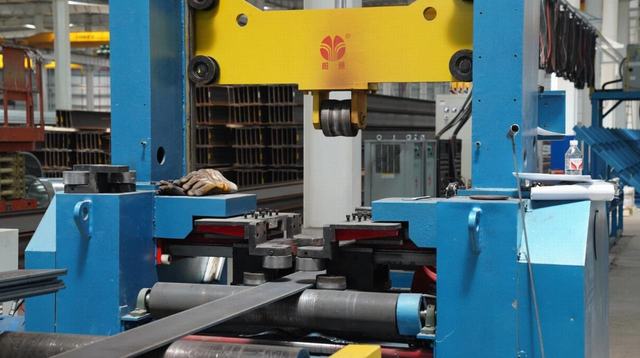
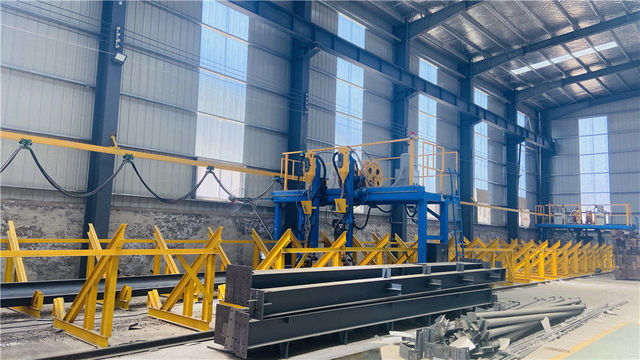
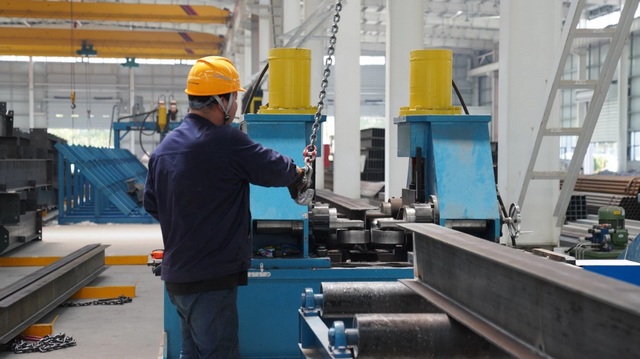
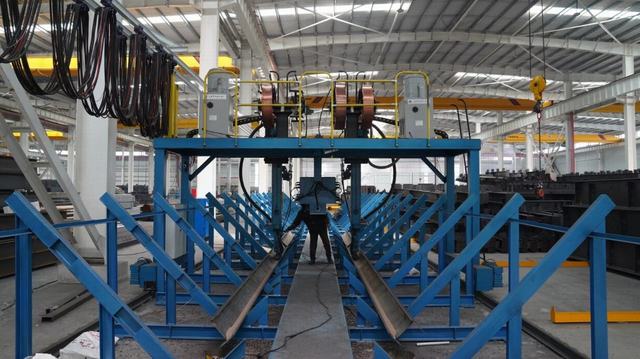
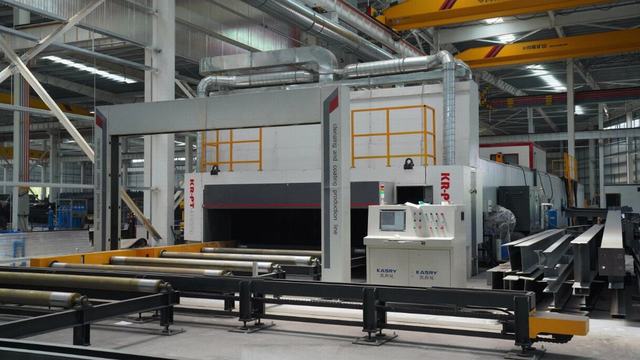
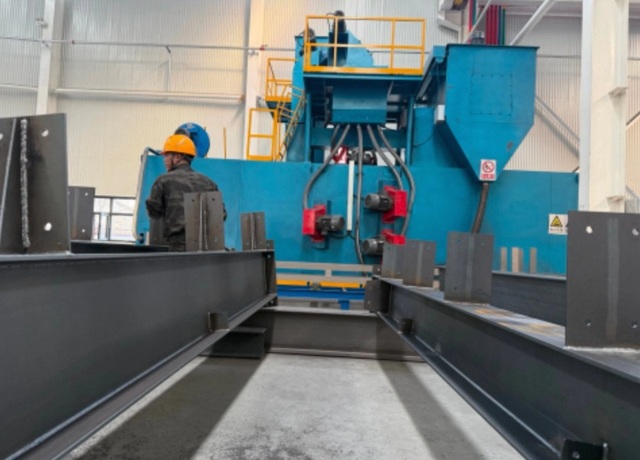
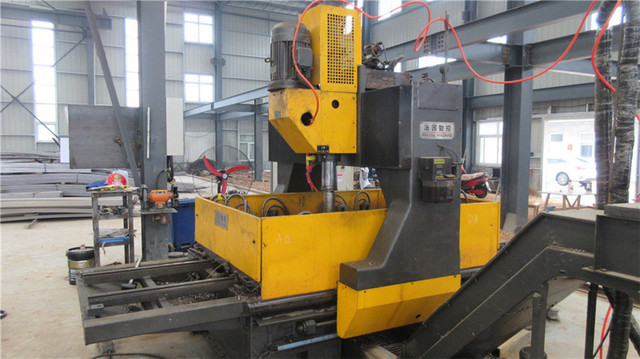
Manufacturing cold storage structures in Dongguan, China, provides distinct global supply chain advantages. Our specialized industrial facility features high-precision CNC cutting lines, automated submerged arc welding systems, and multi-stage anti-corrosion blasting and coating systems.

By sourcing raw materials from local Tier-1 steel mills, Metro Build controls costs and maintains quality standards from raw metal plate to final pre-engineered elements. The resulting economic efficiencies are passed directly to international procurement teams, cutting overall project capital expenditure by up to 30% without compromising on material thickness, structural integrity, or protective coatings.

4. Localization Support, Building Codes & Compliance Standards

One size does not fit all in global engineering. Navigating the regulatory landscape requires deep expertise in local building regulations. Dongguan Metro Build Co., Ltd. works closely with on-site general contractors to ensure every shipment complies with regional building mandates:

  • North America: Engineered to AISC design codes, ASTM steel material standards, and local ASHRAE energy performance rules.
  • Europe: Structural execution in alignment with Eurocodes (EN 1993 for steel structures) and CE marked components.
  • Pacific / Australia: Compliance with AS/NZS 1170 structural design requirements for cyclonic wind zones.

5. Localized Application Scenarios

Our custom OEM structural designs adapt to different vertical markets with specific operational needs:

  • Biopharmaceutical Cold Chains: Requiring ultra-precise GMP-compliant zone layouts, continuous backup power supports, and strict air filtration pathways for holding temperatures of 2°C to 8°C.
  • Agricultural Fresh Logistics Hubs: Large multi-span structures designed for fast internal transport, high-capacity loading docks, and high humidity tolerances to preserve freshness in fruits and vegetables.
  • Industrial Blast Freezing Chambers: High-performance structures optimized for extreme cold transfers down to -40°C, requiring reinforced concrete under-floor ventilation channels to prevent frost heave.

Engineering Specs

  • Design Codes: AISC, ASTM, GB50017, Eurocodes
  • Steel Grades: Q355B, Q235B, ASTM A572 Gr50
  • Corrosion Control: Hot-Dip Galvanization (up to 600g/m²) or Epoxy Primers
  • Insulation Options: PIR, PUR, Rockwool Sandwich Panels
  • Panel Thickness: 50mm to 200mm
  • Seismic Ratings: Zones 1 to 4
  • Wind Load Capacity: Up to 280 km/h

Industrial Q&A: OEM Cold Storage Structural Design FAQ

Essential technical answers for procurement directors, logistics operators, and structural engineers.
Why are PIR panels preferred over EPS or XPS for cold storage warehouses?
PIR (Polyisocyanurate) sandwich panels offer superior thermal resistance (R-value per inch) and high fire-retardant performance (Class B1 classification or FM Approval). While EPS is cheaper, it has lower structural integrity and higher thermal conductivity, meaning you need thicker panels that reduce internal usable volume. XPS has good moisture resistance but lacks the fire safety ratings required by modern commercial insurance standards for large-scale facilities.
How does Dongguan Metro Build prevent under-floor frost heave in freezer facilities?
Frost heave occurs when moisture in the sub-base soil freezes, expands, and lifts the concrete warehouse floor slab. For sub-zero operations, we design specialized floor insulation profiles incorporating under-floor ventilation systems (passive PVC airflow pipes or active electrical heating cables embedded in the sub-slab) alongside vapor barriers. This maintains the soil temperature under the concrete slab above 0°C, ensuring structural stability.
What level of structural customization do you support for OEM clients?
We provide full engineering custom design capabilities. This includes customized internal clearances for tall rack systems, heavy column support configurations for overhead evaporator coolers, crane girder additions, and multi-zone thermal separations. Additionally, we customize door openings for automated high-speed roller doors or standard dock levelers.
How does prefabrication shorten the construction timeline?
By shifting structural steel fabrication, welding, drilling, and painting from the job site to our precision factory in China, we run fabrication in parallel with site excavation and foundation pouring. Once on-site, the structural components are bolted together, saving up to 50% in construction time and reducing local labor costs and field welding requirements.
How do you ensure anti-corrosion protection in high-humidity cold rooms?
Cold storage warehouses face high condensation risks. We apply high-specification protective finishes to the structural steel, including hot-dip galvanization with thickness levels up to 85 microns (compliant with ISO 1461), or high-solids epoxy paint systems. For insulation wall panels, we use pre-painted galvanized steel (PPGI) skins treated with anti-corrosion PVDF coatings.
How are international shipping, loading, and logistics managed?
All structural steel columns, beams, purlins, and panels are meticulously packed, bundled, and secured with heavy-duty bands to prevent shifts during ocean transit. Each bundle is clearly labeled with structural part IDs corresponding to the detailed installation blueprints. Our logistics division coordinates with global freight lines, shipping via Open-Top or standard containers to minimize handling damage.