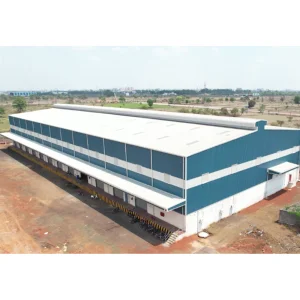
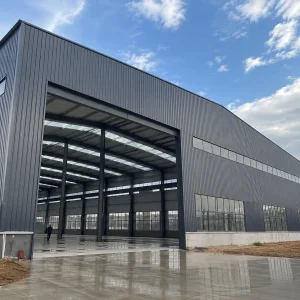
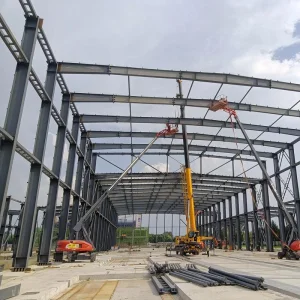
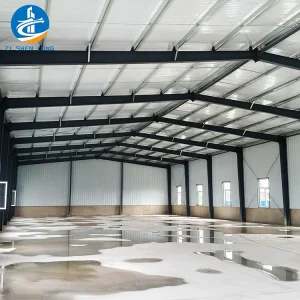
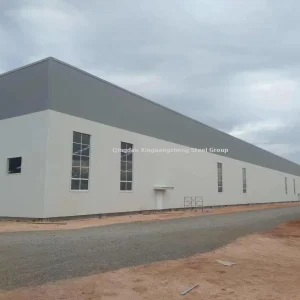
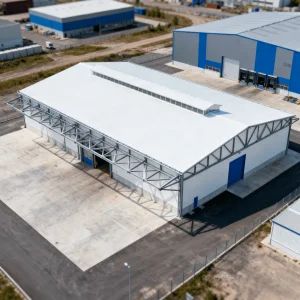
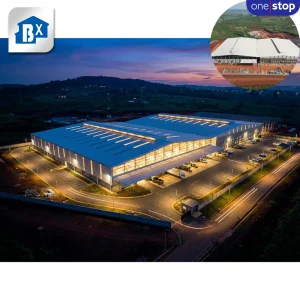
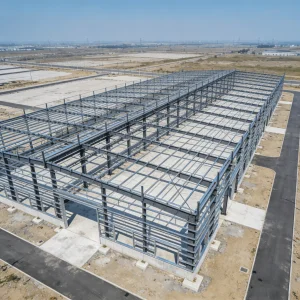
The global logistics hub development sector is witnessing a paradigm shift. In an era dominated by rapid e-commerce expansion and volatile supply chains, the "Top 10 Logistics Hub Development Manufacturers" are no longer just building sheds; they are constructing highly integrated nodes of a global nervous system. As of 2024, the market for prefabricated industrial buildings is projected to grow at a CAGR of 6.5%, driven by the need for speed-to-market and structural resilience.
Modern logistics hubs now integrate automated storage and retrieval systems (AS/RS), AI-driven sorting, and sustainable energy solutions. Industry leaders are focusing on Pre-engineered Building (PEB) technology to minimize waste and maximize spatial efficiency. From the bustling ports of Asia to the industrial heartlands of Europe and North America, the demand for "intelligent" warehouse shells has never been higher.
Energy Cost Reduction via Smart Design
Faster Construction using Prefab Tech
Years of Structural Life Expectancy
Recyclable Steel Components
In land-scarce urban environments, multi-story logistics hubs are becoming the norm. Manufacturers are developing high-load steel frames capable of supporting heavy machinery and vehicle ramps on multiple levels.
Sustainability is no longer optional. Leading suppliers are integrating solar-ready roofs, rainwater harvesting systems, and low-carbon steel to meet ESG (Environmental, Social, and Governance) requirements.
Warehouses are being designed with precision flooring (super-flat floors) and high-tolerance structural grids to accommodate AMRs (Autonomous Mobile Robots) and high-density racking.
In regions with intense rainy seasons, Dongguan Metro Build Co., Ltd. implements advanced drainage systems and anti-corrosion coatings. Our Rainy Season Proof Steel Structure models feature oversized gutters and 360-degree seam roofs to prevent any leakage in monsoon conditions.
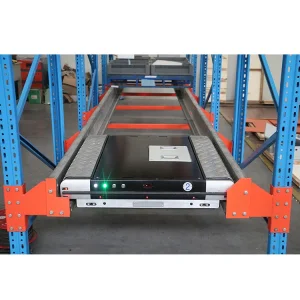
The rise of fresh food delivery requires massive Cold Storage Logistics Hubs. This involves thermal-bridge-free construction and high-performance sandwich panel insulation. Integrated radio shuttle racking systems allow for maximum pallet density while maintaining strict temperature controls.
Smaller, modular "dark stores" and distribution centers are popping up in urban centers. These require quick-assembly kits that can be adapted to irregular plot shapes, often utilizing Light Metal Building Materials Kits.
The evolution of logistics hubs is moving towards "Zero-Carbon, Full-Automation." Here is how the technology is unfolding:
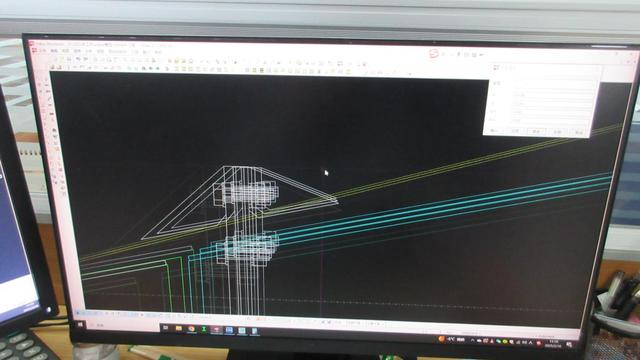
Focus on BIM (Building Information Modeling) and standardized prefab components to reduce human error and material waste during the manufacturing phase.
Adaptive structural designs that can be easily expanded or reconfigured as business needs change. Use of high-strength alloys to reduce the weight of large-span roofs.
Hubs integrated with IoT sensors that monitor structural health, energy usage, and air quality in real-time, self-adjusting HVAC and lighting via AI algorithms.
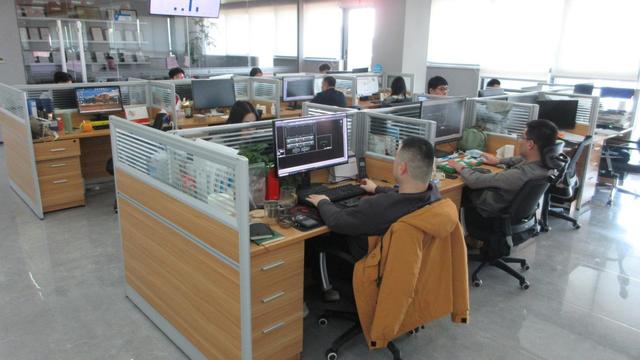
Dongguan Metro Build Co., Ltd. is a leading China prefabricated warehouse building manufacturer specializing in the design, production, and supply of high-performance steel warehouse solutions for customers worldwide. With extensive experience in the steel structure industry, the company is committed to delivering durable, cost-effective, and customized building systems that meet the evolving needs of industrial and commercial sectors.
Quality and innovation are at the core of Metro Build's operations. The company strictly follows international manufacturing standards and continuously improves its production processes to ensure superior structural strength, weather resistance, and energy efficiency. By adopting prefabrication technologies, Metro Build helps customers significantly reduce construction time, labor costs, and on-site installation complexity.
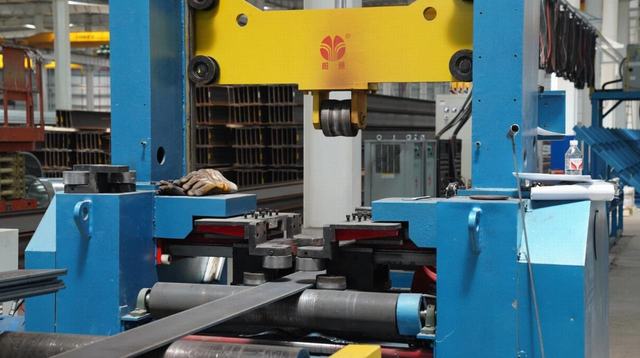
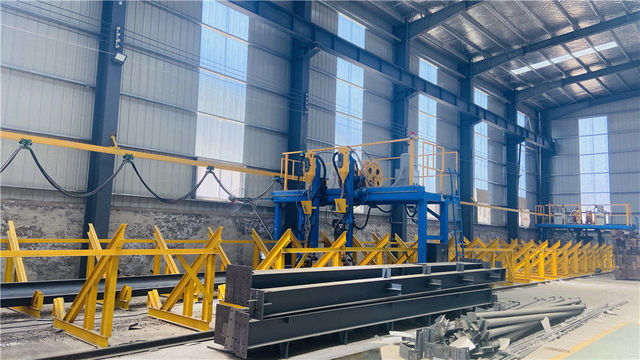
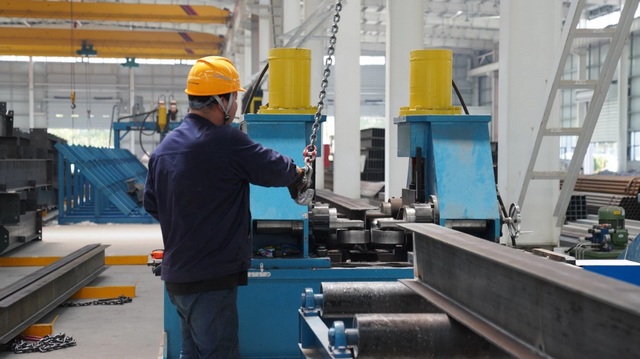
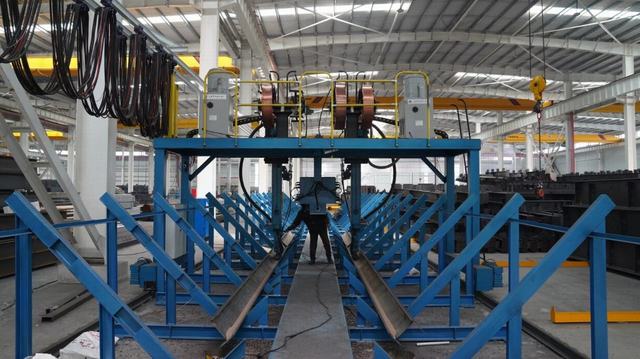
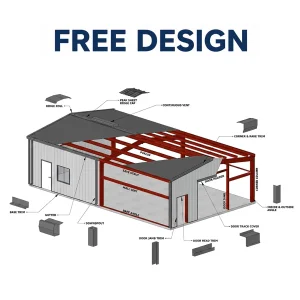
Detailed feasibility studies and structural site analysis to determine the most cost-effective steel grade and layout for your specific logistics requirements.
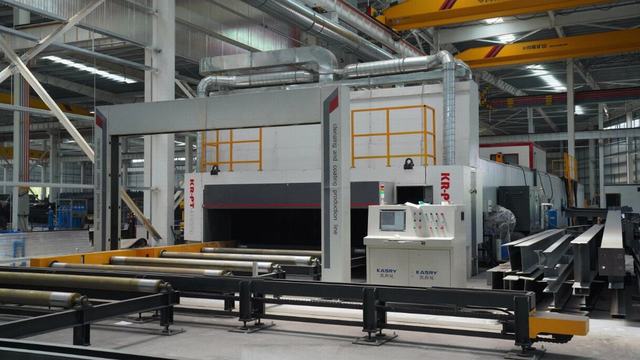
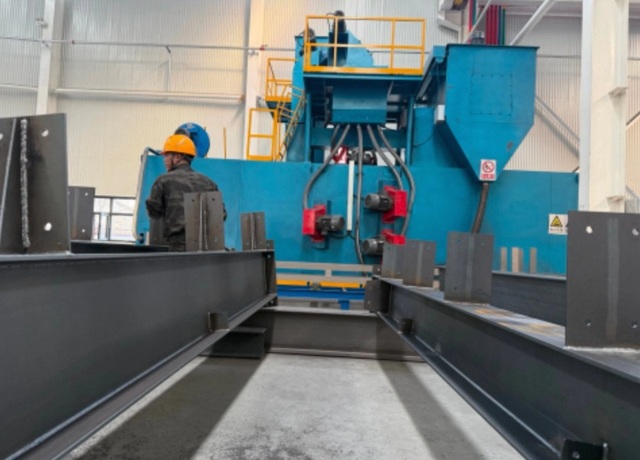
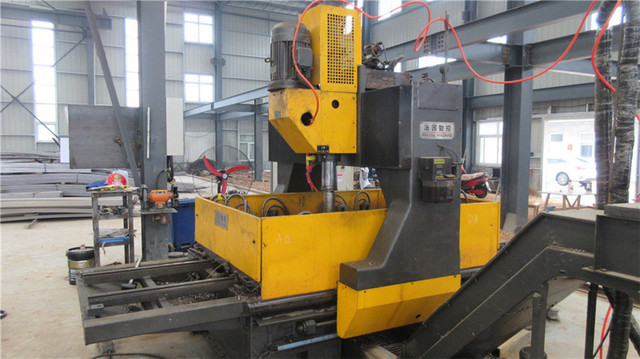
Utilizing modern steel fabrication machinery and precision production lines to ensure every bolt-hole and welding seam meets global safety tolerances.
One-stop logistics service, ensuring modular components are packed for maximum container density and protected against maritime corrosion.
Prefabrication allows for 30-50% faster onsite assembly compared to traditional concrete. It offers superior strength-to-weight ratios, allows for larger clear spans (column-free spaces), and is 100% recyclable, making it the most sustainable choice for modern industrial builds.
Each hub is engineered based on local seismic, wind, and snow load data. We use high-tensile steel and specialized coatings (galvanization or fluorocarbon paint) to resist corrosion in coastal or high-humidity environments.
Yes. Our modular steel designs are specifically engineered for scalability. Future spans or additional levels can be integrated into the existing structure with minimal disruption to ongoing operations.
Generally, the design and manufacturing phase takes 4-8 weeks, followed by shipping. On-site installation can often be completed in as little as 10-12 weeks depending on the complexity of the internal systems.
 Metro Build