Engineered to withstand the coastal weather, typhoons, and local seismic requirements of Aichi Prefecture.
Understanding the unique industrial logistics landscape of the Chubu region.
Nagoya and Aichi Prefecture represent the absolute industrial heartland of Japan, famed primarily for automotive engineering and aviation manufacturing. However, this dense industrial ecosystem sits right alongside a highly productive agricultural sector. In the Chubu region, specialized greenhouse farming, high-density grain and poultry farming, and extensive logistical hubs converge. Land in Nagoya is at an absolute premium, meaning modern warehouses must be space-optimized, highly integrated, and engineered to support automated material handling systems.
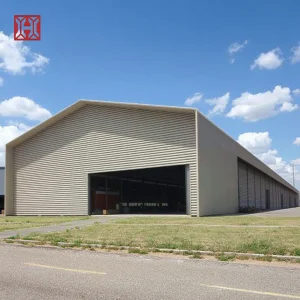
Furthermore, Nagoya Port stands as one of Japan's primary gateways for international trade. The import and export of feed, grains, machinery, and climate-controlled agricultural products place intense demands on port-side and regional storage infrastructure. Standard timber-framed barns are no longer sufficient to handle the modern storage requirements or clear-span dimensions needed for modern logistics. Dongguan Metro Build Co., Ltd. fills this technical gap by providing pre-engineered structural steel storage buildings tailored specifically for this demanding Japanese market, balancing cost efficiency with strict performance metrics.
Tailored structural designs matching regional farming and cold-chain requirements.
Rice farming remains culturally and economically central in Aichi. Our storage systems incorporate structural steel framing configured with advanced wall cladding (polyurethane sandwich panels) that minimizes temperature fluctuations. This design supports humidity control systems vital to preventing grain spoilage and infestation during Nagoya's humid summer months.
Positioned near Nagoya Port, agricultural exporters require highly insulated structures for fruit, vegetable, and seafood handling. We integrate heavy H-section steel columns with precision-formed galvanized secondary purlins designed to support refrigeration equipment loads, ensuring optimal thermal efficiency (low R-values) and structural integrity under constant temperature loads.
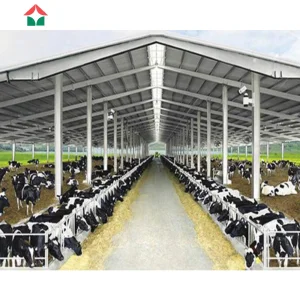
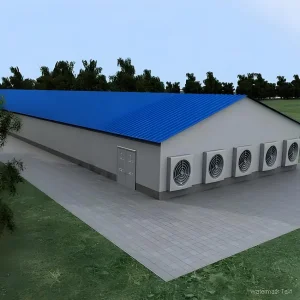
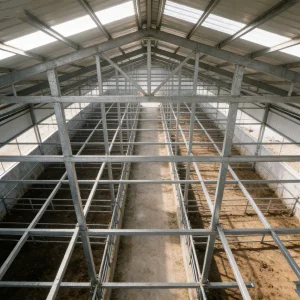
Modern livestock farming demands strictly controlled internal environments. Our prefab poultry buildings feature corrosion-resistant framing coatings (such as hot-dip galvanization up to 600g/m²) to withstand ammonia exposure. Smooth wall interfaces prevent pest harborage, facilitating biosecure operations.
How Dongguan Metro Build Co., Ltd. aligns Chinese fabrication prowess with strict Japanese building regulations.
Constructing industrial steel buildings in Japan requires strict adherence to the Building Standard Act (Kenchiku Kijun-hō). Japan is zoned dynamically for seismic activities, and Nagoya sits within a region vulnerable to both major seismic events and strong seasonal typhoons. Therefore, structural steel cannot simply be fabricated according to general international designs; it must comply with specific Japanese Industrial Standards (JIS).
| Engineering Parameter | JIS / Japanese Standard Code | Metro Build Engineering Compliance |
|---|---|---|
| Primary Structural Steel | JIS G 3101 (SS400, SS490) / JIS G 3136 (SN400, SN490) | Q235B / Q355B standard mills certified to matching yield & tensile strengths |
| Seismic Load Calculations | Kenchiku Kijun-hō (Z-coefficient zones) | Dynamic finite element modeling (FEM) calculated with Z=1.0 design parameters |
| Wind Resistance | Standard wind velocity (Vo) up to 34-38 m/s | High-strength anchor bolts and engineered rigid frame connections for typhoon zones |
| Corrosion Protection | JIS H 8641 (Hot-dip galvanizing) | HDG coating thickness conforming to HDZ 55 (min 550g/m²) or superior epoxy primers |
| Snow Load Configuration | Design snow depth allowance for Chubu region | Purlin spacing and truss pitch calibrated for variable regional snow weights (up to 50cm) |
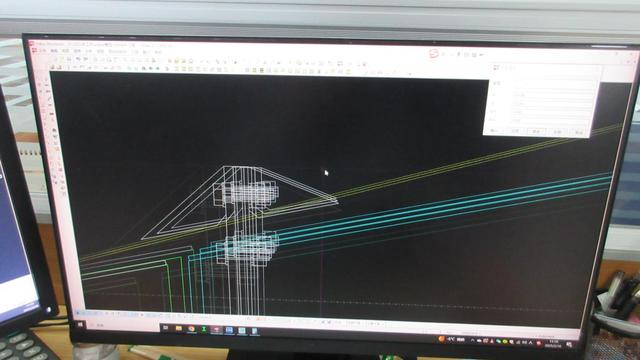
Our structural engineering team at Dongguan Metro Build Co., Ltd. works directly with clients' local Japanese architects and structural engineers. We provide comprehensive CAD drawings, BIM modeling files, and structural calculation sheets to streamline the municipal architectural approval process in Nagoya. By providing transparent, code-compliant raw material documentation, we significantly decrease the risk of regulatory bottlenecks at the port or municipal level.
Integrating precision engineering, massive production capacities, and direct shipping networks.
Dongguan Metro Build Co., Ltd. is a leading China prefabricated warehouse building manufacturer specializing in the design, production, and supply of high-performance steel warehouse solutions for customers worldwide. With extensive experience in the steel structure industry, the company is committed to delivering durable, cost-effective, and customized building systems that meet the evolving needs of industrial and commercial sectors.
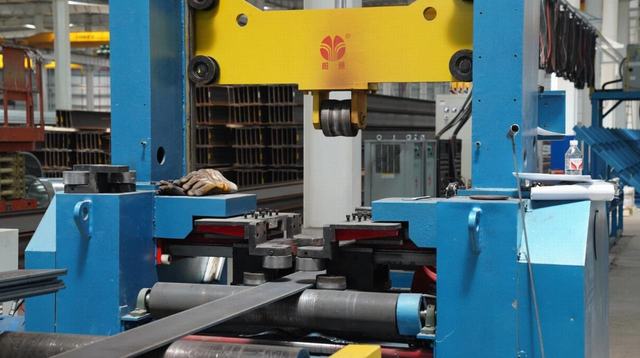
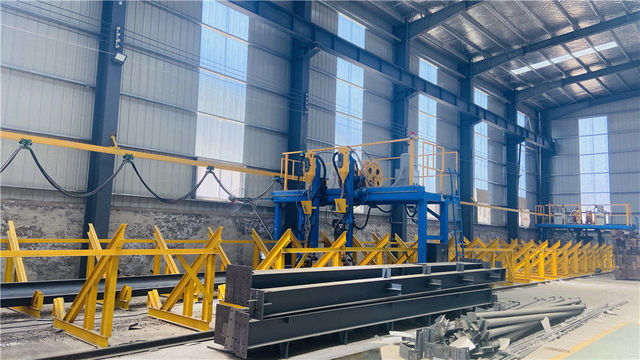
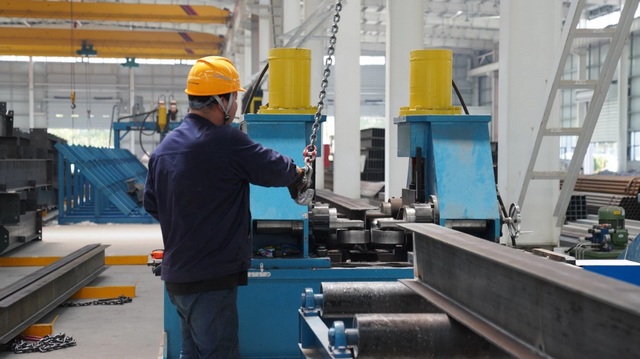
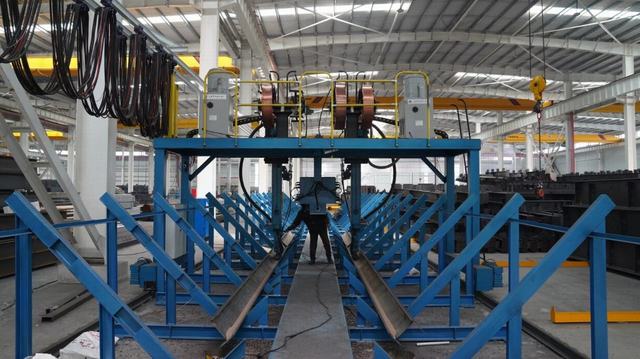
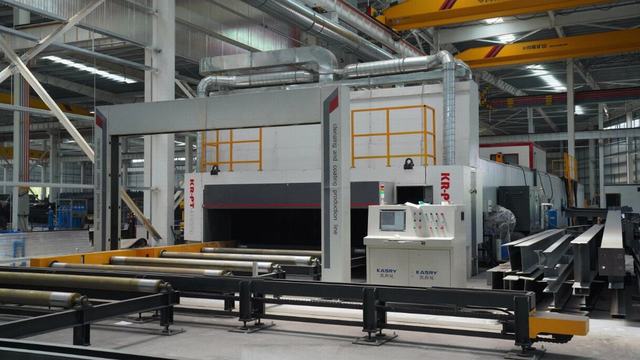
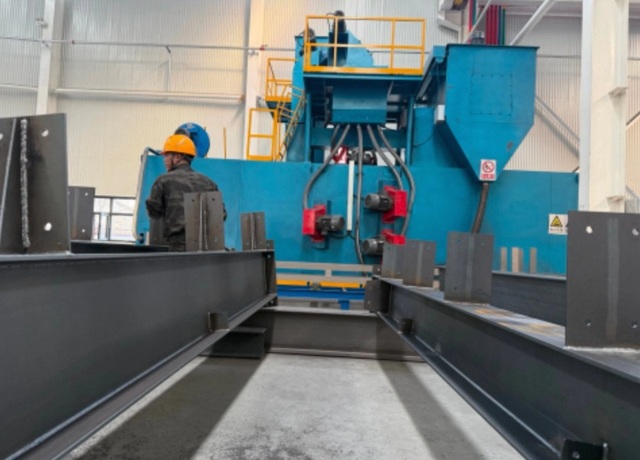
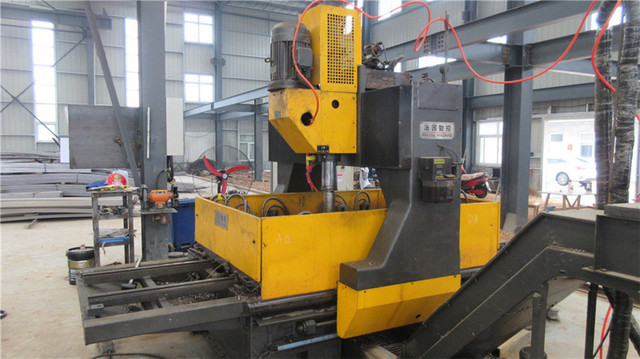
Operating out of modern production facilities in Guangdong province—China's industrial manufacturing heartland—our facilities leverage highly automated fabrication machinery. This includes CNC plasma cutting systems, automated submerged arc welding machines, and advanced shot-blasting lines that prepare steel surfaces to SA2.5 standards for superior paint and zinc adhesion. The localized supply of structural steel in China enables us to source raw materials at highly competitive rates, insulated from European or North American supply chain volatility.
The company offers a comprehensive portfolio of products, including prefabricated warehouse buildings, pre-engineered steel structures, logistics centers, industrial workshops, storage facilities, distribution centers, and customized steel building solutions. Designed for fast installation and long-term performance, Metro Build's products are widely used in manufacturing, logistics, agriculture, retail, and infrastructure projects.
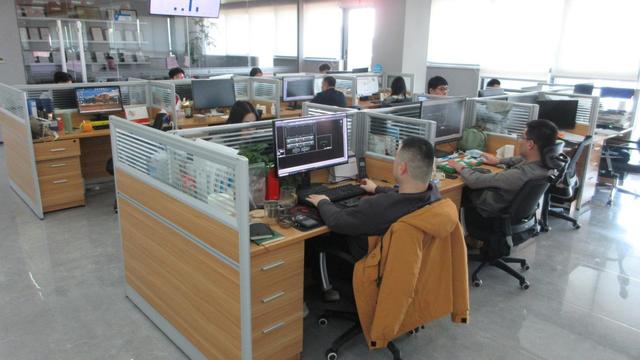
Supported by a skilled engineering and quality control team, the company provides one-stop services covering project consultation, structural design, manufacturing, quality inspection, packaging, and global shipping coordination. Quality and innovation are at the core of Metro Build's operations. The company strictly follows international manufacturing standards and continuously improves its production processes to ensure superior structural strength, weather resistance, and energy efficiency. By adopting prefabrication technologies, Metro Build helps customers significantly reduce construction time, labor costs, and on-site installation complexity.
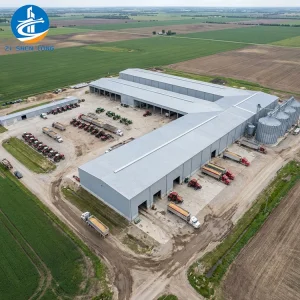
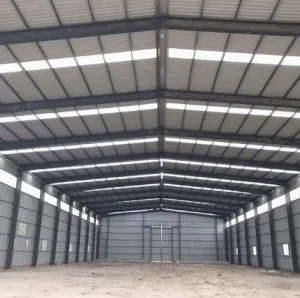
Real-world glimpses into our high-capacity production lines and global steel shipments.
Contact our structural engineering team for a detailed quotation, JIS standard calculations, and space-optimization consultation tailored to Nagoya's building regulations.
Send Inquiry NowPioneering structural innovations in prefabricated steel systems.
As the agricultural sector undergoes rapid digitization (Agriculture 4.0), storage buildings must adapt from basic structures to smart, integrated platforms. Dongguan Metro Build Co., Ltd. is continuously developing our engineering roadmap to address these changing requirements:
Designing roof purlins and truss structures optimized to support high-density solar arrays. This allows storage sheds in rural Aichi to operate completely off-grid, generating clean energy for automated ventilation and refrigeration units.
Transitioning from standard galvanization to Zinc-Aluminum-Magnesium alloy coatings. This advanced treatment provides up to three times the corrosion resistance of traditional galvanizing, which is especially critical in coastal port environments.
Every component fabricated in our factory is cataloged digitally. This allows owners to track structural integrity data, simplify expansion plans, and optimize long-term facility maintenance.
By leveraging these forward-thinking technologies, we ensure that our agricultural storage buildings provide excellent return on investment throughout their multi-decade lifespans, remaining adaptable to future machinery upgrades and environmental regulations.
Expert answers regarding engineering, logistics, customs clearance, and construction in Japan.
Yes. Japanese local governments require detailed structural calculations (Kouzou Keisan) verified by a first-class registered architect in Japan. We support this process by providing comprehensive raw material data sheets, mill certificates matching JIS standards (or internationally recognized equivalents), and 3D Tekla model files. Our engineers work hand-in-hand with your local Japanese architectural consultant to ensure compliance prior to building permit application.
For coastal applications, hot-dip galvanization (HDG) is highly recommended. It creates a metallurgical bond that protects structural steel from chloride-induced corrosion. We offer HDG thicknesses conforming to standard JIS H 8641 criteria (such as HDZ 55, ≥ 550g/m²). For inland farms, we also supply multi-layer polyurethane paint systems which provide high chemical resistance against agricultural fertilizers and ammonia.
Shipping from our Guangdong facilities to Nagoya Port is efficient. Ocean transit from Shenzhen or Guangzhou ports typically takes between 5 to 8 days. Total turnaround, including customs clearance and container unloading at Nagoya Port, usually takes about 2 to 3 weeks from departure, ensuring minimal project timelines.
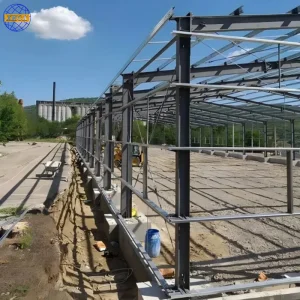
Our prefabricated steel systems are designed for high-precision bolt-together assembly, minimizing field welding. We supply complete installation drawings, component mapping sheets, and high-strength connection bolts. Projects can be erected by local Japanese general contractors. We can also provide remote technical support and video guidance to assist your construction crews.
Examine our full structural portfolio, exported globally with strict quality assurance systems.
 Metro Build