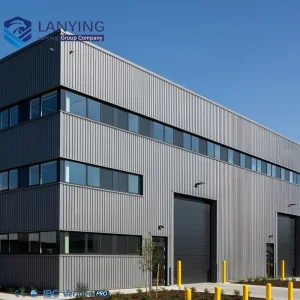
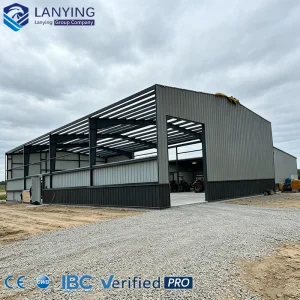
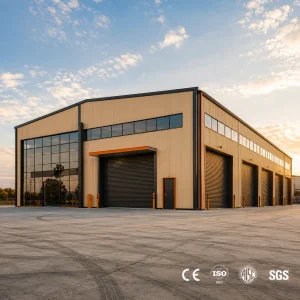
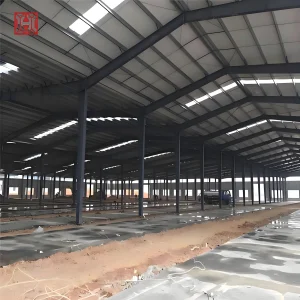
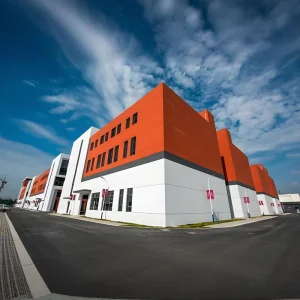
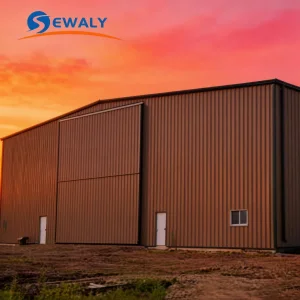
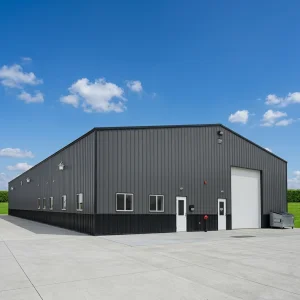
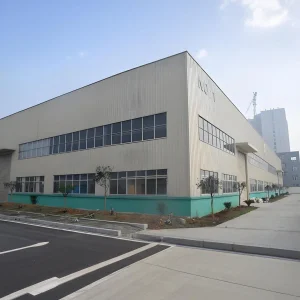
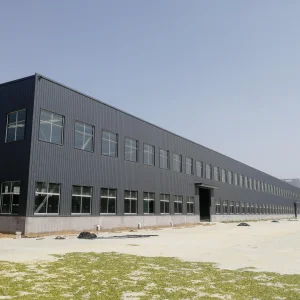
Discover our highly optimized steel structural kits tailored for commercial centers, hubs, and agricultural processing facilities across Nigeria.
A comprehensive analysis of rapid structural transitions, transport corridors, and regional demand dynamics within West Africa's primary industrial economy.
Nigeria is undergoing a structural transition driven by the African Continental Free Trade Area (AfCFTA), rapid urbanization, and a digital commerce revolution. Hubs like the Lekki Free Trade Zone in Lagos, the Sagamu Interchange in Ogun State, and the inland terminals of Kaduna and Kano require robust logistics infrastructure. Historically, supply chains struggled with inefficient storage solutions, but the transition to Pre-Engineered Steel Buildings (PEBs) has modernized warehouse operations across the country.
Developing logistics warehouses in Nigeria requires adapting to the country's diverse micro-climates. In coastal regions like Lagos, Delta, and Rivers State, the marine environment exposes structures to high humidity and salt spray. This demands a C4 or C5-M anti-corrosion rating, achieved through hot-dip galvanization and advanced epoxy coatings. In the northern regions, such as Kano and Kaduna, warehouses must withstand high temperatures and dust, requiring specialized insulation (polyurethane or rock wool sandwich panels) and gravity ridge ventilators to maintain internal temperatures.
Furthermore, structural stability must account for varying soil types. The marshy, low-bearing coastal soils in Lekki and Victoria Island require lightweight structural steel systems supported by deep pile foundations. Our engineering team at Dongguan Metro Build designs systems that distribute weight effectively, preventing uneven settling and ensuring structural longevity.
Designed for corrosive coastal environments, utilizing hot-dip galvanized steel and high-durability epoxy primers to prevent rust and degradation.
Given regional power challenges, roofs are structurally optimized to support solar PV arrays, enabling off-grid energy storage.
Engineered to comply with Nigeria’s National Building Codes, Eurocode 3, and British Standard BS 5950, facilitating seamless approvals.
Explore high-capacity designs engineered for rapid setup and long-term durability in high-demand zones.
A professional look into global procurement pipelines, advanced metallurgy, and structural prefabrication parameters.
Dongguan Metro Build Co., Ltd. is an established steel structure manufacturer specializing in the design, production, and global supply of prefabricated warehouse systems. Serving markets in Nigeria, West Africa, and worldwide, we provide customized structural solutions that streamline construction timelines and control project budgets.
Our capabilities span high-strength, large-span industrial workshops, distribution hubs, and agricultural storage facilities. By fabricating components in our modern facilities and shipping them directly to ports like Apapa, Tincan, or Lekki, we help clients bypass local material sourcing constraints and accelerate project completion.
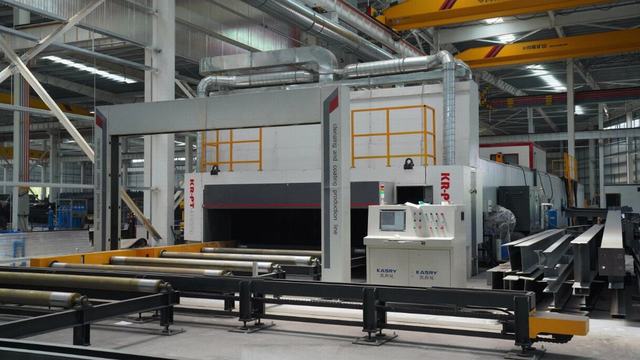
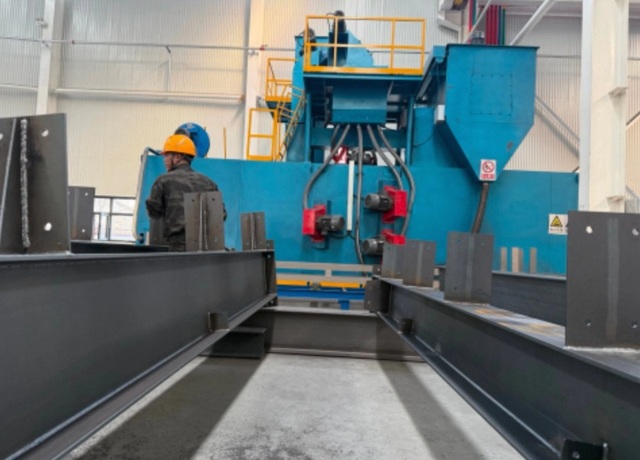
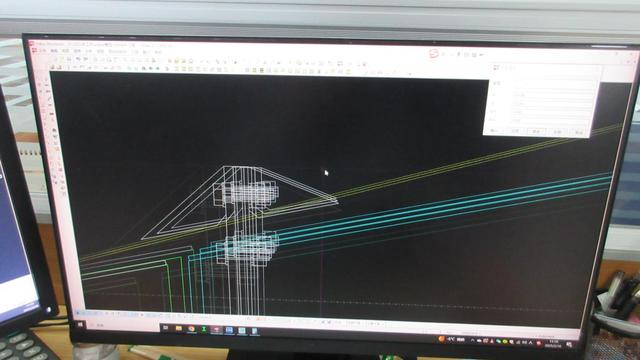
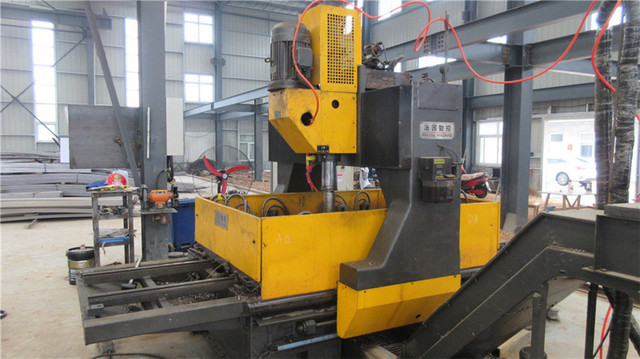
We source heavy-gauge structural steel from leading domestic mills, primarily using S355JR and Q355B grades. These steels provide high yield strengths suitable for wide clear-span spaces, which are essential for warehouse layout flexibility. Our manufacturing process uses automated CNC cutting, drilling, and submerged arc welding to ensure structural precision and alignment.
To resist corrosion in coastal areas like Lagos, we apply zinc-rich coatings with a Dry Film Thickness (DFT) of at least 80–120 microns. For environments with higher humidity or saline exposure, we recommend hot-dip galvanizing, which provides long-term protection and reduces structural maintenance costs.
Shipping prefabricated steel buildings requires careful logistics management. Structural components are packed in open-top containers or standard GP containers with heavy-duty steel bracing to prevent damage in transit. Every component is marked with a unique tracking code that corresponds to the installation drawings, making on-site organization and erection more efficient.
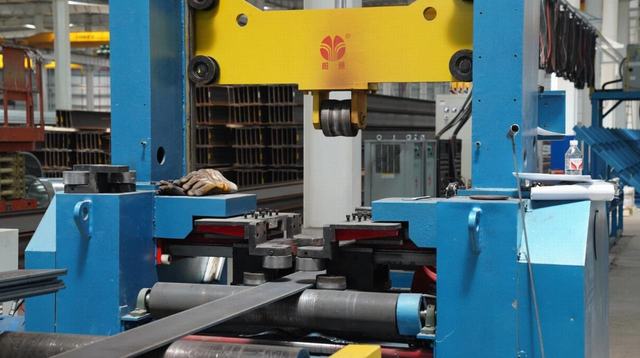
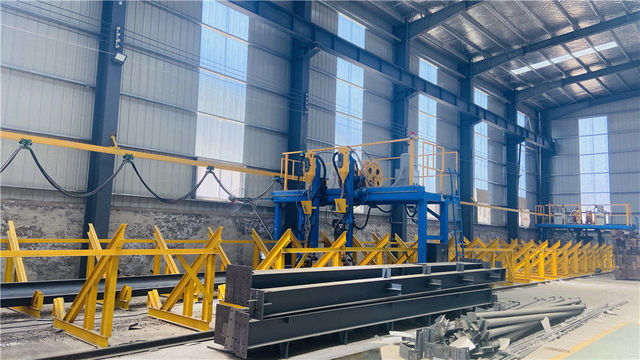
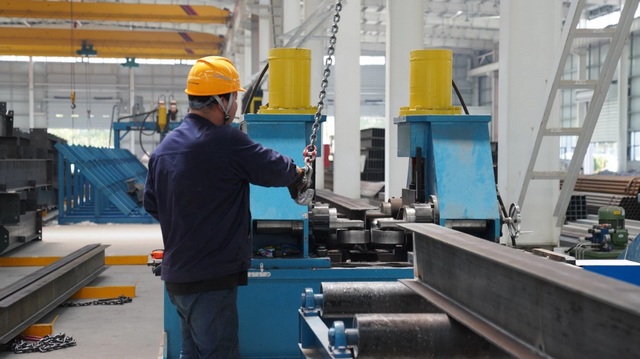
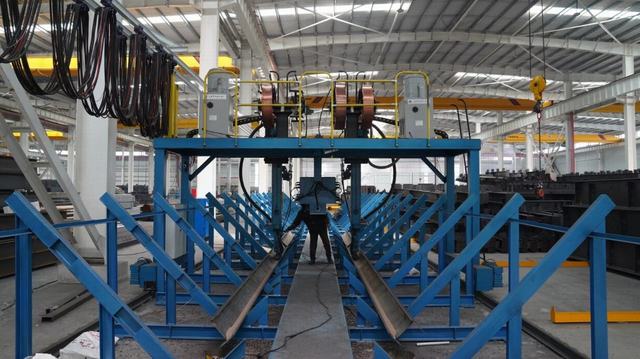
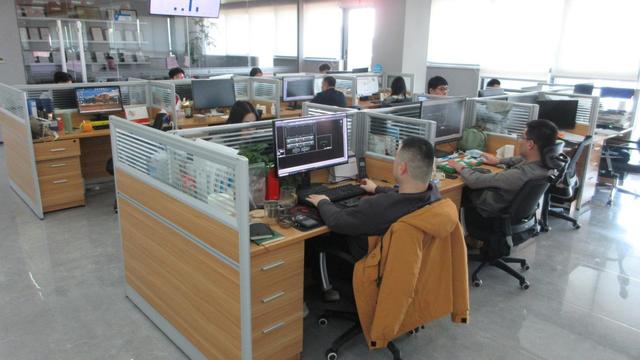
Our logistics team handles export documentation, including SONCAP certification (Standards Organisation of Nigeria Conformity Assessment Programme). This certificate verifies that incoming steel structures meet local safety standards, helping projects proceed smoothly through customs.
How new structural engineering approaches are addressing supply chain challenges in Sub-Saharan Africa.
With agriculture representing a major portion of Nigeria’s GDP, reducing post-harvest loss is a national priority. Achieving this requires reliable cold storage infrastructure. Traditional brick-and-mortar facilities can be slow to build and difficult to insulate. Prefabricated steel warehouses, when paired with high-density polyurethane (PU) or polyisocyanurate (PIR) sandwich panels, provide the thermal insulation required for stable cold chains.
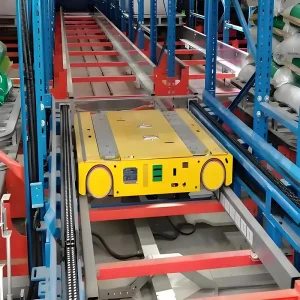
These cold storage warehouses can be integrated with Automated Storage and Retrieval Systems (ASRS) and pallet shuttles. Utilizing vertical storage helps maximize space, reduces labor requirements, and limits the cooling losses that occur when bay doors are opened frequently.
Given regional power supply variations, modern warehouses in Lagos, Ogun, and Port Harcourt are increasingly designed to support solar energy. Our steel frames are engineered to carry the additional dead loads of roof-mounted photovoltaic (PV) arrays. This allows logistics operators to generate solar power, reducing reliance on diesel generators and lowering operating costs.
Partner with our structural engineers to design, manufacture, and export high-performance prefabricated steel warehouses tailored for the Nigerian market.
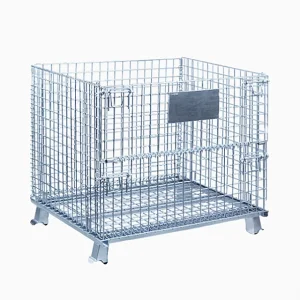
Send Inquiry NowSelect from our range of structural frames, automated systems, and high-strength storage components.
Practical answers regarding structural specifications, custom processes, delivery timelines, and installation support in Nigeria.
 Metro Build