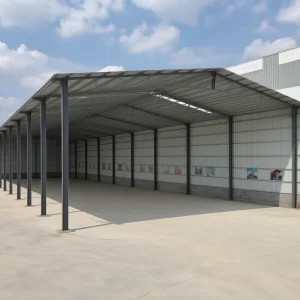
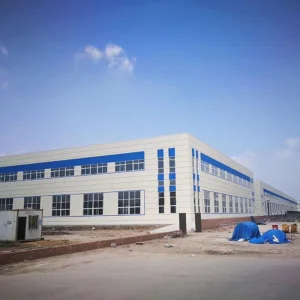
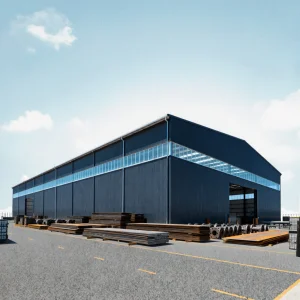
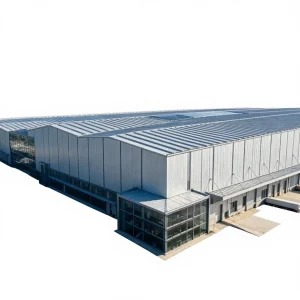
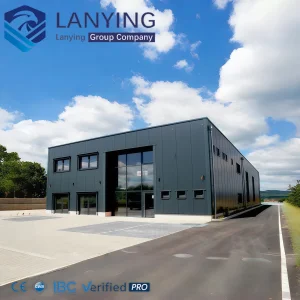
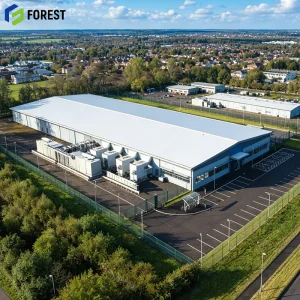
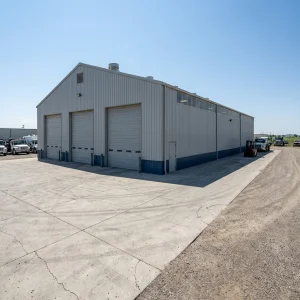
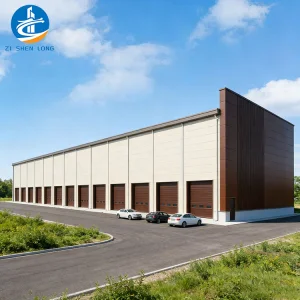
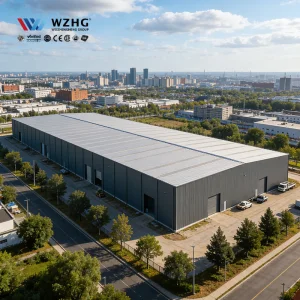
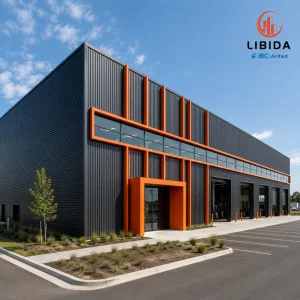
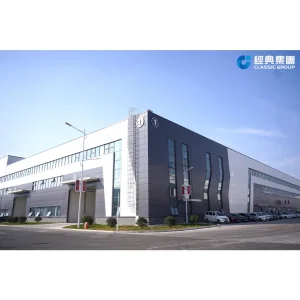
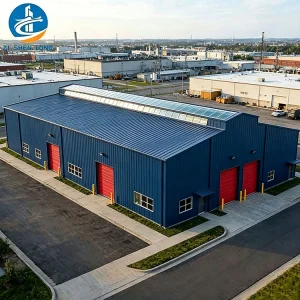
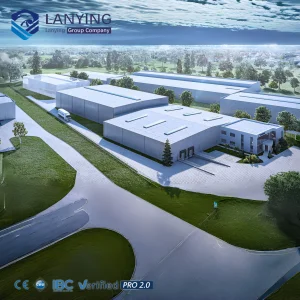
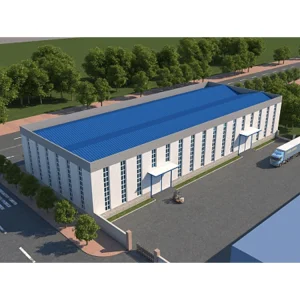
High-span, structural-grade steel systems designed specifically to match Seattle's local environmental demands and structural requirements.
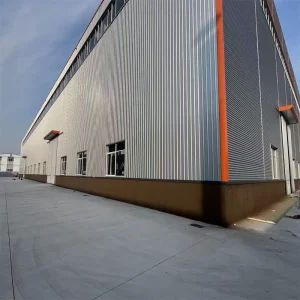
Navigating the geographic and regulatory challenges of the Pacific Northwest (PNW) industrial real estate market.
The Seattle metropolitan area—spanning King, Pierce, and Snohomish counties—represents one of the most dynamic logistics and manufacturing hubs in the United States. Driven by the presence of global aerospace leaders, retail pioneers, and the bustling Northwest Seaport Alliance (NWSA), industrial space in this market is at a premium. The unique topography of the Puget Sound region, bordered by water to the west and mountains to the east, severely restricts the availability of buildable land, creating a high-density, high-cost development environment.
For businesses looking to establish or expand manufacturing plants, distribution warehouses, or industrial workshops in Seattle, Kent Valley, Tacoma, or Everett, traditional construction methodologies often present significant barriers. Prolonged permitting timelines, high local union labor costs, and unpredictable weather patterns can delay project completions and inflate budgets. This is where pre-engineered steel structure buildings prove to be the most viable alternative, offering shortened construction schedules and structural flexibility.
Furthermore, local environmental rules place a premium on energy-efficient envelope designs and sustainable building materials. Modern developments must align with the rigorous Washington State Energy Code (WSEC). Utilizing factory-prefabricated steel structures with advanced thermal envelope technology guarantees swift permitting approvals while reducing lifetime heating and cooling costs in the temperate, maritime climate of the Pacific Northwest.
By pre-fabricating up to 90% of structural steel components in our quality-controlled factory, site erection time in the Seattle market is reduced by up to 50% compared to traditional masonry or cast-in-place concrete.
Given the heavy annual rainfall of the Puget Sound region, our steel structures are treated with premium primer coats and multi-layer protective finishes to resist rust, mold, and long-term structural decay.
Clear-span framing designs ranging from 30 to over 100 meters allow for uncompromised floorplans. Perfect for high-density racking, automated logistics, and heavy assembly crane pathways.
Your Global Partner for Engineered Steel Warehousing & Industrial Facilities
Dongguan Metro Build Co., Ltd. is a leading China prefabricated warehouse building manufacturer specializing in the design, production, and supply of high-performance steel warehouse solutions for customers worldwide. With extensive experience in the steel structure industry, the company is committed to delivering durable, cost-effective, and customized building systems that meet the evolving needs of industrial and commercial sectors.
The company offers a comprehensive portfolio of products, including prefabricated warehouse buildings, pre-engineered steel structures, logistics centers, industrial workshops, storage facilities, distribution centers, and customized steel building solutions. Designed for fast installation and long-term performance, Metro Build's products are widely used in manufacturing, logistics, agriculture, retail, and infrastructure projects.
Dongguan Metro Build Co., Ltd. operates advanced manufacturing facilities equipped with modern steel fabrication machinery and precision production lines. Supported by a skilled engineering and quality control team, the company provides one-stop services covering project consultation, structural design, manufacturing, quality inspection, packaging, and global shipping coordination.
Quality and innovation are at the core of Metro Build's operations. The company strictly follows international manufacturing standards and continuously improves its production processes to ensure superior structural strength, weather resistance, and energy efficiency. By adopting prefabrication technologies, Metro Build helps customers significantly reduce construction time, labor costs, and on-site installation complexity.
Driven by the principles of quality, reliability, and customer satisfaction, Dongguan Metro Build Co., Ltd. has established long-term partnerships with clients across Asia, Europe, the Middle East, Africa, and the Americas. The company remains dedicated to providing innovative steel warehouse solutions that create lasting value for global customers.
Smart manufacturing integration and structural adaptations for the next generation of industrial warehouses.
The shift towards warehousing automation requires structural engineering that accommodates the weight and kinematics of robotic retrieval systems. Flat floors (FM1 classifications), localized slab reinforcement, and column-free spans are critical variables that Metro Build factors into the initial structural engineering calculations. This ensures that when warehouses are deployed in competitive tech-driven markets like Seattle, they are ready to adopt advanced warehouse management systems (WMS) without retrofitting costs.
Sustainable development is no longer optional in western Washington. Modern steel structures must be engineered to carry the heavy loads of rooftop solar arrays (photovoltaic panels). Metro Build's structural calculations are designed with custom load margins, ensuring the roof purlins and rafter frames can easily hold additional localized dead loads of green roofs or commercial PV infrastructure, helping buyers easily achieve LEED certifications.
We leverage advanced BIM modeling protocols using industry-standard platforms. Our structural designs are exported directly to building files that interface with local Seattle contractor workflows. This high-fidelity detailing reduces on-site collisions between structural steel and mechanical, electrical, and plumbing (MEP) systems to virtually zero, ensuring that assembly flows smoothly on the building site.
Years Engineering Experience
Global Port Destinations
AISC & IBC Code Compliant
Average Cost Savings vs. Local Fabrication
Meeting International Building Code (IBC) and local WA State structural safety requirements.
The Seattle metropolitan area lies in close proximity to the Cascadia Subduction Zone, placing it in a high-risk Seismic Design Category (SDC D to F). Any structural development in this area must strictly adhere to the International Building Code (IBC) and ASCE 7 structural standards. Building failure due to seismic activities is a major concern, requiring advanced structural elasticity and robust frame joint designs.
Dongguan Metro Build Co., Ltd. employs high-strength steel grades such as Q355B (equivalent to ASTM A572 Grade 50) that provide the optimal yield strength and ductility. Our structural frames are designed using Moment Resisting Frames (MRFs) or Braced Frames (CBFs/EBFs) to withstand cyclic lateral loads. High-strength ASTM structural bolts (A325/A490) secure critical connections, ensuring the structure can absorb and dissipate energy during a seismic event without experiencing catastrophic collapse.
Additionally, Washington state's heavy winter rain, combined with potential snow accumulation from the Cascade mountains, requires precise engineering for rain-on-snow surcharge loads. Our engineering team calculates exact roof slope geometries, integrated drainage gutters, and purlin spacing to safely manage local snow and wind loading parameters (often exceeding 110 mph basic wind speeds depending on the specific micro-climate of Puget Sound).
Designed with customized crane runway girders to support heavy assembly systems required by parts manufacturers supplying the regional aerospace hub.
Engineered for high-clearance e-commerce operations, optimizing vertical spatial footprint for automated racking systems and multi-tier mezzanine decks.
Interfacing with structural insulated panels (SIPs) to create air-tight, thermally broken environments for seafood and agricultural storage near local ports.
Why sourcing from Dongguan Metro Build provides distinct financial and operational advantages.
In today's volatile economic environment, project managers must secure supply chains that balance cost-efficiency with high-quality guarantees. Manufacturing in Dongguan, the global heart of precision industrial fabrication, allows us to leverage a mature local supply chain ecosystem. From raw material sourcing of certified structural steel to specialized surface treatment facilities, we command operational efficiencies that cannot be matched by localized domestic fabricators.
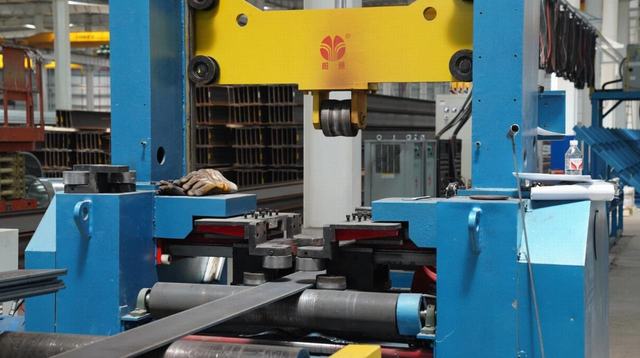
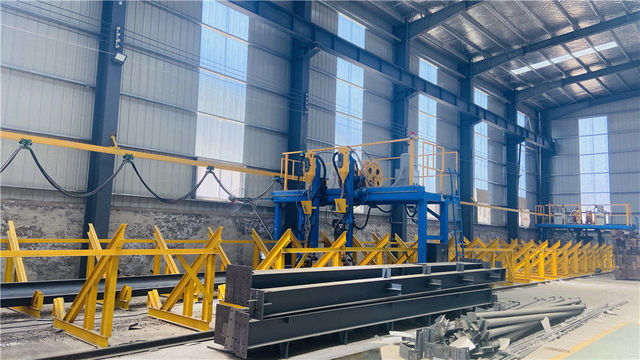
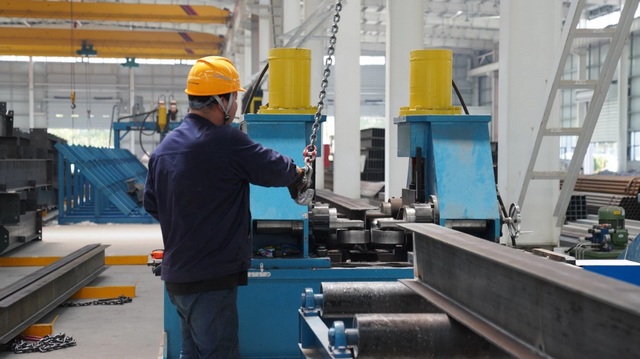
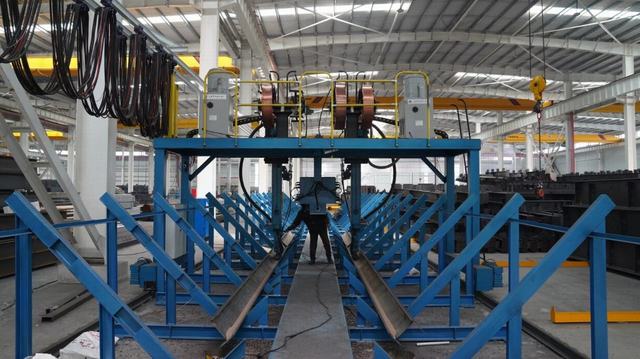
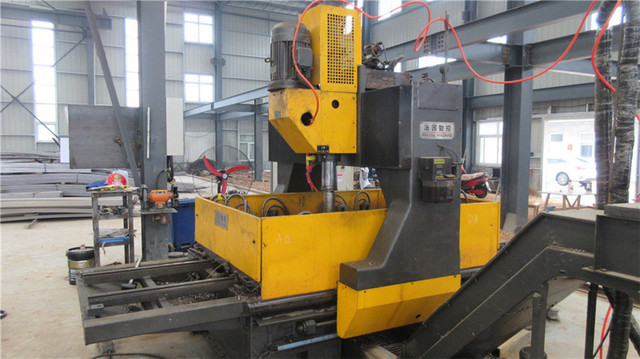
Our Factory 4.0 setup incorporates CNC plasma cutting, automated robotic welding stations, and rigorous non-destructive testing (NDT) procedures. These advanced manufacturing capabilities mean every structural pillar, truss, and bracing plate is cut, drilled, and welded to tolerances of less than 1mm. By ensuring high dimensional accuracy at our facility, we eliminate the need for costly field adjustments or welding modification on-site in Seattle.
Furthermore, containerized shipping routes from nearby ports (Shenzhen and Guangzhou) connect directly to the Port of Seattle and Tacoma. This direct maritime connection provides predictable transport timelines, allowing developers to align shipping arrivals with site foundation completions. By bypassing volatile domestic land shipping lanes, transit costs are kept to a minimum.
Explore our wide array of structural solutions, prefabricated kits, and industrial components.
A visual tour of our manufacturing precision, heavy duty equipment, and completed steel works.
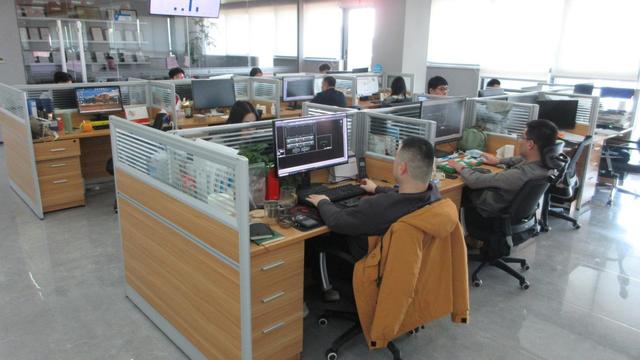
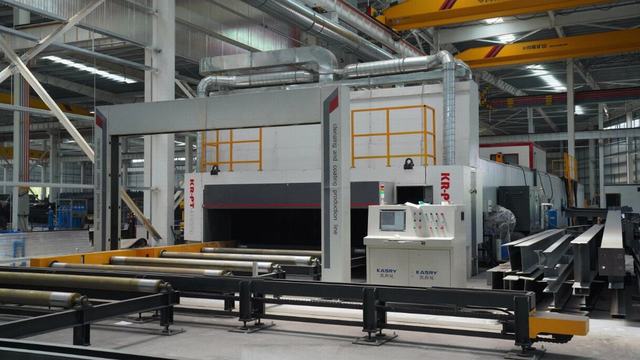
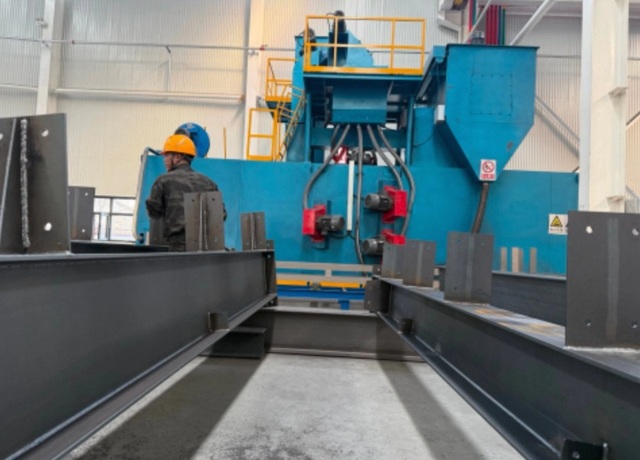
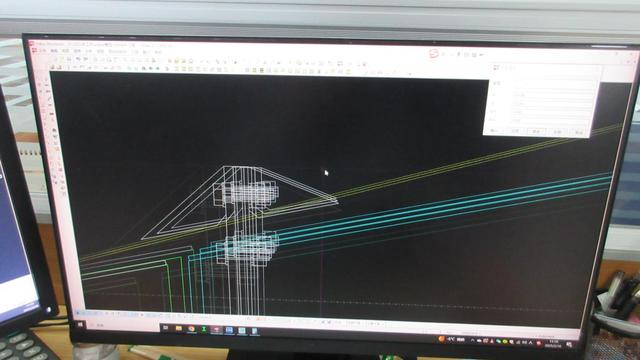
A step-by-step framework for importing prefabricated steel buildings to the Pacific Northwest.
Purchasing capital-intensive industrial infrastructure from an international manufacturer requires systematic coordination. For projects destined for the Seattle market, we follow a transparent pipeline structured to align with municipal permitting and logistics schedules:
Your local engineers or architects share preliminary site plans, foundation outlines, and loading requirements. Metro Build's structural design team translates these specifications into structural models using software such as SAP2000. All calculations account for specific municipal regulations (e.g. wind speeds in Renton vs. snow loads in North Bend).
Upon design sign-off, fabrication begins at our modern facility in Dongguan. Raw steel sections undergo physical testing to verify yield and tensile strengths. Throughout welding, ultrasonic or magnetic particle testing is performed to ensure the structural integrity of welds. Documentation reports are provided for your local building department review.
Completed framing components are color-coded, labeled according to structural drawings, and packed into containers to prevent transport scratches. We coordinate sea logistics directly to the Port of Seattle or Port of Tacoma, preparing commercial invoices, mill test sheets, and export clearance documentation for seamless processing by US Customs.
Key information concerning permits, seismic criteria, and logistics for industrial projects in Seattle.
Yes. Our designs are tailored to the International Building Code (IBC) and ASCE 7. We use high-ductility steel grades (e.g. Q355B/ASTM A572 Grade 50) and design moment or braced connections specifically calculated to absorb structural stress during seismic events common to King County and the wider Puget Sound region.
We regularly organize sea freight shipping from Shenzhen/Guangzhou ports to the Northwest Seaport Alliance (Seattle or Tacoma). Shipping times typically range from 18 to 25 days transit on the water. All steel parts are secured and packed in open-top or standard containers to avoid corrosion during transit.
Absolutely. Building trade labor rates in King County are among the highest in the US. Because our buildings are fully pre-engineered with pre-cut, pre-drilled bolted connections, structural erection is streamlined, eliminating expensive field welding. This reduces local on-site crew requirements and speeds up project timelines.
We design the primary steel frame to integrate with wall and roof cladding options, including insulated sandwich panels (polyurethane or rockwool) that meet or exceed Washington state's mandated envelope R-values (thermal resistance). This ensures energy conservation and speeds up building permit approvals.
We supply complete engineering packets containing our raw material mill test reports, welding certification details, and Non-Destructive Testing (NDT) documentation. These records verify that all materials and fabrications adhere to international quality benchmarks before delivery.
 Metro Build