Direct from manufacturer: Engineered steel structure warehouses optimized for rapid construction, long-span capacities, and German architectural specifications.
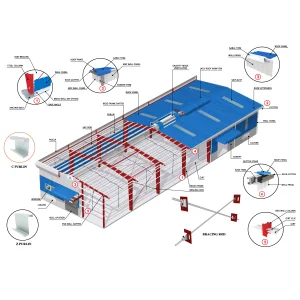
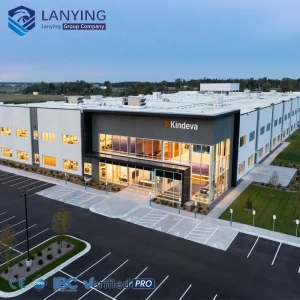
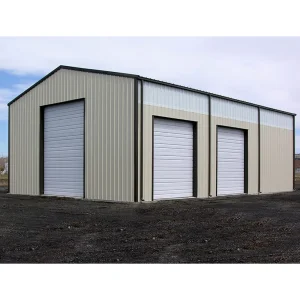
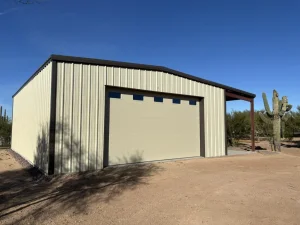
As the "Gateway to the World," Hamburg represents one of Europe's most dynamic logistic and industrial clusters. Supported by the Port of Hamburg—the third largest container port on the continent—the city demands highly sophisticated distribution networks, storage facilities, and fulfillment centers. Crucial logistics areas like Waltershof, Billbrook, Wilhelmsburg, and Altenwerder have seen an escalating need for modern, long-span storage environments. In this fast-evolving sector, traditional brick-and-mortar or cast-in-place concrete warehouses are proving too slow and inflexible to match the expansion velocity required by major global retailers, third-party logistics (3PL) providers, and industrial manufacturers.
Pre-Engineered Buildings (PEB) have emerged as the structural standard in Northern Germany due to their unmatched speed of erection, structural accuracy, and spatial efficiency. PEB steel warehouses facilitate wide clear spans (up to 60 meters or more without interior columns), which is vital for modern high-rack storage configurations, automated guided vehicles (AGVs), and complex cross-docking operations. For industrial operators in the Hamburg Metropolitan Region, deploying PEB systems means mitigating on-site construction delays, optimizing overhead clearances, and scaling storage facilities dynamically to meet changing global trade volumes.
Designing and deploying pre-engineered buildings in Northern Germany is not a one-size-fits-all manufacturing process. Developers face distinct microclimatic and structural demands typical of coastal plains and maritime corridors. Wind Zones 2 and 3 characterize the greater Hamburg region, requiring steel structural frames that can withstand intense wind shear and horizontal loading from the North Sea. Structural safety guidelines also require specific calculations for snow loads (according to DIN EN 1991-1-3) to ensure stability during severe winter weather.
Moreover, proximity to the Elbe estuary and coastal air exposes exterior surfaces to heightened salinity. Unprotected steel is prone to rapid oxidation under these conditions. To counter this, Dongguan Metro Build incorporates advanced structural coatings, utilizing heavy hot-dip galvanization or high-durability epoxy primer paint systems designed to achieve C4 or C5-grade corrosion resistance. These technical measures ensure that the core frame maintains its design limit-state safety over a 50-year service life without demanding heavy maintenance schedules.
Dongguan Metro Build Co., Ltd. is a leading China prefabricated warehouse building manufacturer specializing in the design, production, and supply of high-performance steel warehouse solutions for customers worldwide. With extensive experience in the steel structure industry, the company is committed to delivering durable, cost-effective, and customized building systems that meet the evolving needs of industrial and commercial sectors.
The company offers a comprehensive portfolio of products, including prefabricated warehouse buildings, pre-engineered steel structures, logistics centers, industrial workshops, storage facilities, distribution centers, and customized steel building solutions. Designed for fast installation and long-term performance, Metro Build's products are widely used in manufacturing, logistics, agriculture, retail, and infrastructure projects.
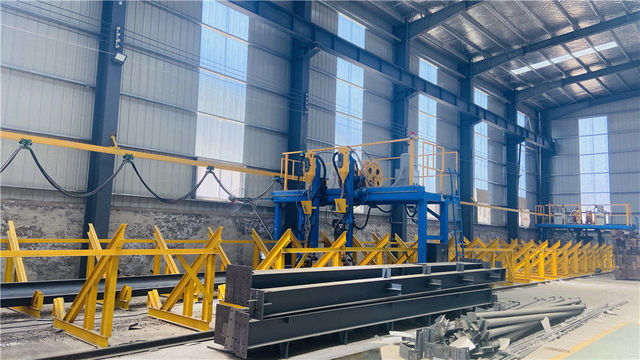
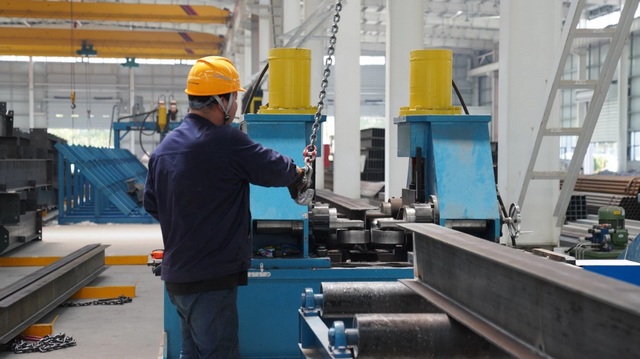
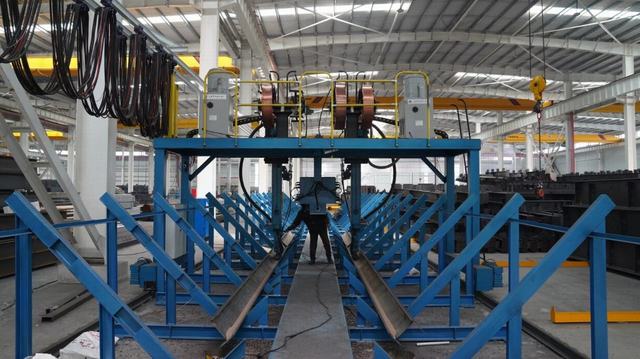
Dongguan Metro Build Co., Ltd. operates advanced manufacturing facilities equipped with modern steel fabrication machinery and precision production lines. Supported by a skilled engineering and quality control team, the company provides one-stop services covering project consultation, structural design, manufacturing, quality inspection, packaging, and global shipping coordination.
"By implementing strict quality management controls according to ISO 9001 and CE execution certifications (EN 1090), Metro Build structures are designed to bridge the gap between heavy industrial load requirements and local architectural codes in Northern Europe."
Quality and innovation are at the core of Metro Build's operations. The company strictly follows international manufacturing standards and continuously improves its production processes to ensure superior structural strength, weather resistance, and energy efficiency. By adopting prefabrication technologies, Metro Build helps customers significantly reduce construction time, labor costs, and on-site installation complexity. Driven by the principles of quality, reliability, and customer satisfaction, Dongguan Metro Build Co., Ltd. has established long-term partnerships with clients across Asia, Europe, the Middle East, Africa, and the Americas.
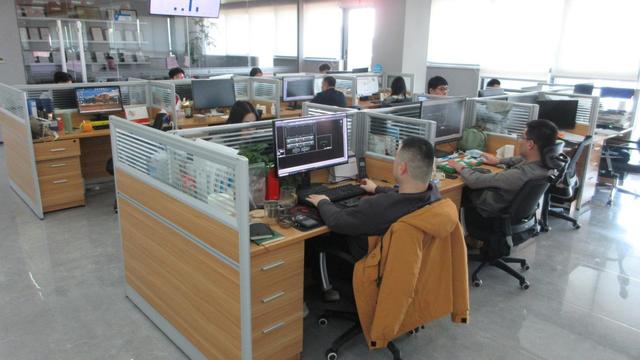
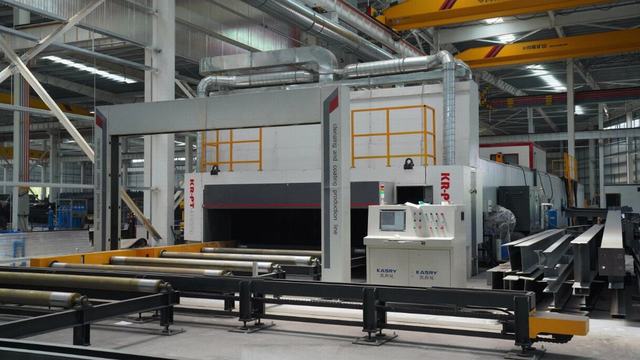
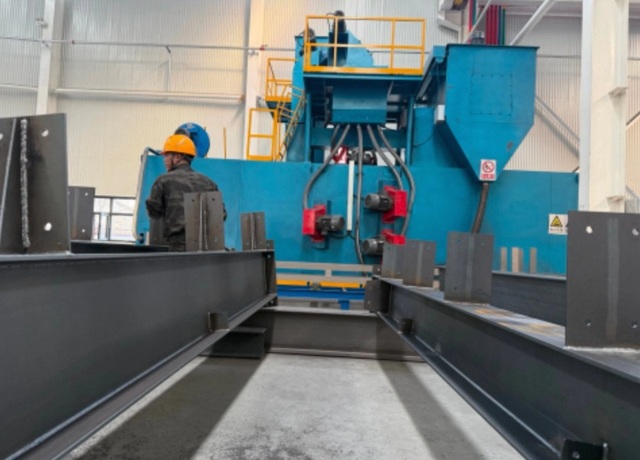
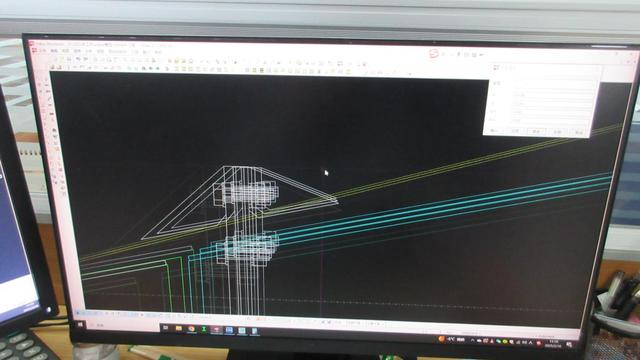
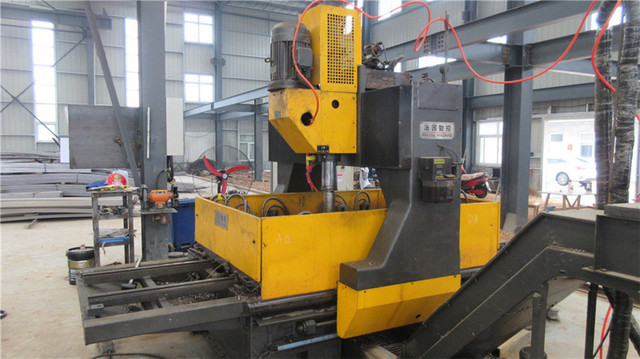
Overcoming logistical borders and engineering compliance to ensure smooth project delivery from fabrication to Hamburg Port.
All structural models are processed using 3D structural calculation suites like Tekla Structures and PKPM, strictly designed to meet EN 1993 (Eurocode 3) design provisions. Structural calculations include dead load, live load, wind load configurations specific to Northern Germany, and seismic factors to satisfy local testing engineers (Prüfstatiker).
For heated industrial halls and warehouses, meeting insulation levels defined under the German Gebäudeenergiegesetz (GEG) is essential. We design modular wall and roof skins utilizing high-efficiency polyurethane (PIR) cores or rockwool sandwich panels. These systems minimize thermal bridges, achieving targeted low thermal transmittance (U-value).
Due to damp coastal conditions, we offer hot-dip galvanized steel coatings conforming to DIN EN ISO 1461, or multi-coat epoxy systems matching ISO 12944 corrosion category C4. This specification prevents structural degradation caused by highly humid, marine environments along the Elbe River.
Executing a successful pre-engineered metal building project requires a clear interface between the overseas manufacturer, local civil engineering teams, and erecting contractors. Dongguan Metro Build ensures seamless project progression via our structural integration roadmap:
The process begins with our engineers drafting detail drawings (Tekla models). These structural drawings are forwarded to the customer's certifying engineers (Prüfstatiker) in Hamburg for building permit approval.
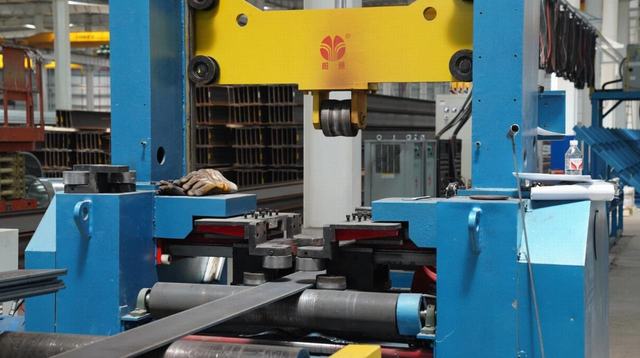
Upon drawing approval, fabrication begins at our Dongguan factory. Beam cutting, flange welding, drilling, and shot-blasting are executed on automated CNC machinery to minimize tolerance deviations.
Completed elements are packed into open-top or standard sea containers, shipped directly to Hamburg Port, and delivered to site. Standard bolted connections mean fast on-site crane assembly.
During the construction phase, pre-engineered buildings greatly minimize the layout requirements on site. Traditional concrete frames require temporary formwork, scaffolding, and curing times that can add weeks of delay under the dynamic weather of Northern Germany. Metro Build’s components arrive pre-cut, pre-drilled, and coded to match the assembly drawings. This structural clarity reduces the dependency on highly specialized field assembly staff and minimizes environmental waste, satisfying local German regulations regarding industrial circular-economy initiatives (Kreislaufwirtschaftsgesetz).
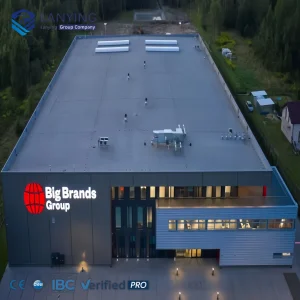
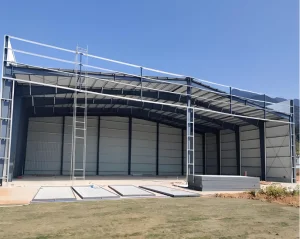
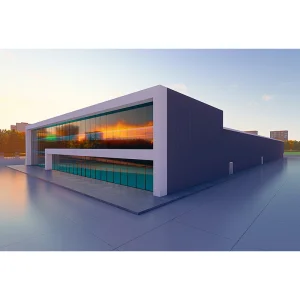
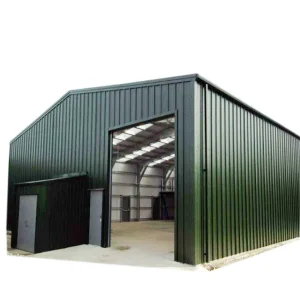
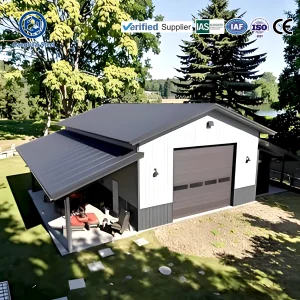
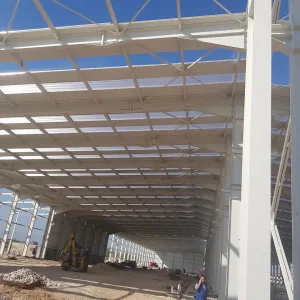
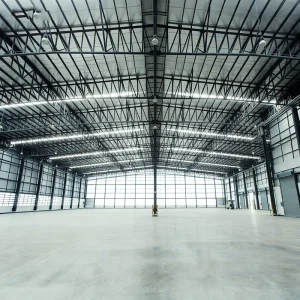
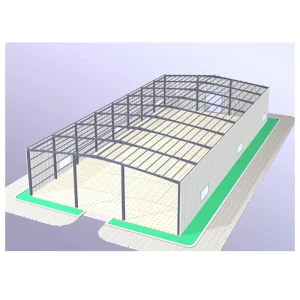
Engineered to meet specific load and volume requirements. Browse our catalog of steel structural configurations suited for Hamburg's trade corridors.
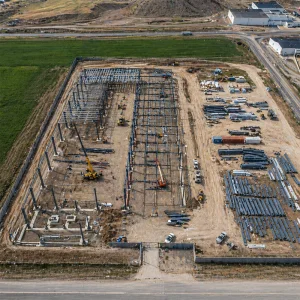
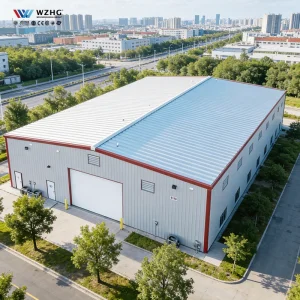
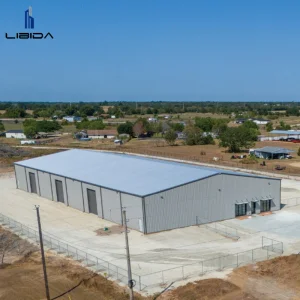
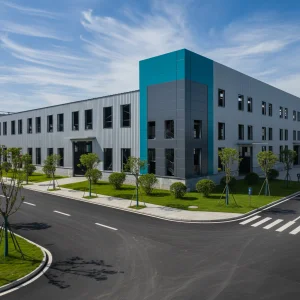
Sustainable industrial engineering is rapidly shifting from a voluntary choice to a strict regulatory mandate across Europe. The German government's pledge to reach climate neutrality demands that newly constructed logistics centers design roofs to accommodate heavy solar panels (Photovoltaikanlagen). This requirement adds significant dead load factors to structural design. A standard solar rooftop assembly adds roughly 15 to 25 kg/m² of static load to the warehouse structure, not including maintenance walkway traffic and variable wind load pressures.
Dongguan Metro Build factors in these loads during the structural analysis phase. By modifying steel member dimensions and reinforcing the primary portal frames, we deliver "PV-Ready" structures that can accommodate solar panels without requiring retrofits down the line. Furthermore, all structural profiles use highly recyclable structural steel, which fits directly into Germany’s eco-label programs and sustainable supply chain initiatives.
Given the premium cost of industrial land around the Port of Hamburg, maximizing spatial volume is a priority. Pre-engineered steel buildings are well suited for automated storage and retrieval systems (AS/RS). Our high-bay steel sheds are engineered to clear heights of 12 to 18 meters, accommodating heavy static loads from high-rack shelving, while maintaining structural alignment to ensure smooth AGV movements.
Through accurate structural engineering and manufacturing processes, we minimize frame drift. Additionally, we customize column spans to accommodate specific racking layouts. This customization allows warehouse operators to maximize storage capacity while maintaining efficient logistics workflows.
Expert answers addressing regulatory, engineering, and logistics questions for importing and erecting steel structures in Germany.
Collaborate directly with our engineering and logistics specialists. We deliver custom-engineered, cost-efficient, and Eurocode-compliant pre-engineered buildings designed for the demands of the Northern German market.
Send Inquiry Now Metro Build