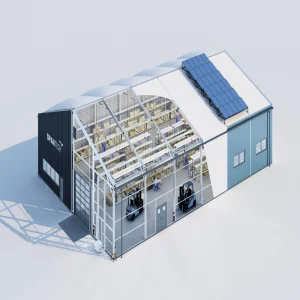
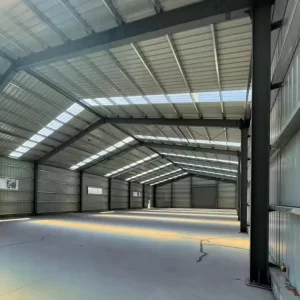
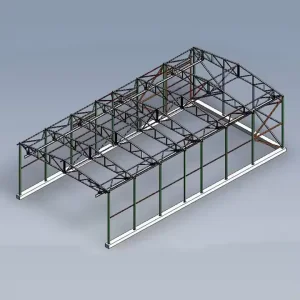
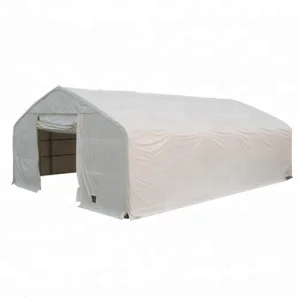
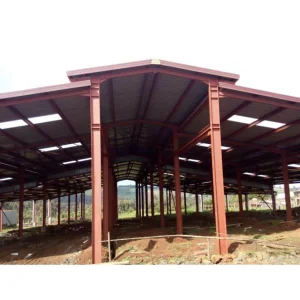
Engineered for swift deployment, extreme wind durability, and compliance with Central European structural regulations.
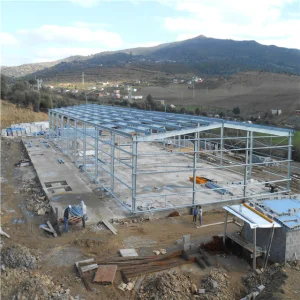
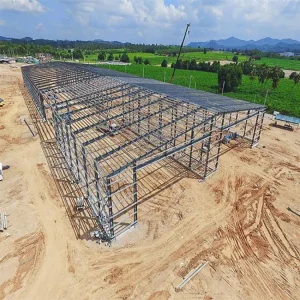
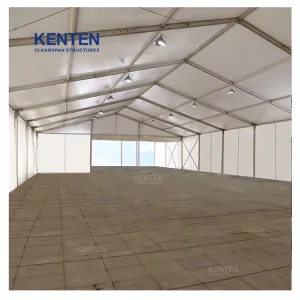
Understanding the micro and macro economic drivers prompting the transition to flexible modular architectures.
The Czech Republic stands as one of Central Europe's powerhouse industrial centers. Characterized by a robust manufacturing sector, most notably led by the automotive cluster (including Škoda Auto and its extensive Tier-1 and Tier-2 component suppliers), the nation demands agile, scalable spatial solutions. Strategically situated at the geographical crossroads of Europe—bordering Germany, Austria, Poland, and Slovakia—Czechia functions as a primary transit hub and logistics gateway. This drives high demand for rapid-assembly warehouse structures along major traffic arteries like the D1, D5, D8, and D11 motorways.
Traditional brick-and-mortar or standard heavy-industry buildings take months to get planned, approved, and constructed. Modern market volatility, e-commerce growth, and just-in-time logistics require a more responsive approach. Temporary warehouse buildings provide the necessary structural safety, speed, and cost efficiency. Whether deployed in Prague-East logistics hubs, Brno’s high-tech manufacturing parks, or the industrial zones of Pilsen and Ostrava, modular temporary structures allow Czech enterprises to adapt storage capacities dynamically without locking up capital in long-term real estate liabilities.
Post-pandemic supply chains have transitioned from "Just-in-Time" to "Just-in-Case." Czech businesses now keep larger buffers of raw materials and finished components. Relocatable temporary warehouses allow operations to scale up storage instantly inside existing industrial perimeters without major construction permits or civil works.
Where and how modern modular structures support key industrial operations in Bohemia and Moravia.
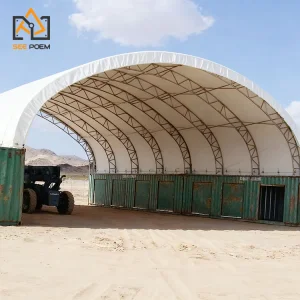
As the backbone of the Czech economy, automotive suppliers require reliable space directly adjacent to assembly lines. Temporary double-truss aluminum storage structures and insulated PVC-fabric buildings serve as component buffering hubs, tire storage facilities, and packaging zones. These can be erected directly on existing asphalt surfaces within 72 hours, optimizing internal factory logistics.
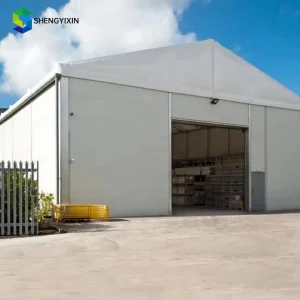
The rise of e-commerce platforms like Alza and Mall.cz, alongside regional logistics operators, creates seasonal demand spikes, particularly during the Q4 peak season. Lightweight, high-clearance, modular flat-pack storage centers act as overflow hubs. Their column-free design maximizes vertical storage rack layout efficiency.
With environmental compliance rules tightening across Czechia, industries need covered spaces to manage chemical waste, sort metals, or stack dry materials. Corrosion-resistant hot-dip galvanized steel framing paired with heavy-duty PVC covers provides protection from wind and rain, helping operators meet CSN EN environment protection codes.
For agricultural companies, seasonal grain, feed, and machinery protection is essential. Large-span fabric container shelters mounted on concrete blocks or pre-existing silage walls offer rain protection and ventilation. This helps prevent condensation issues common in permanent sheet-metal sheds.
A closer look at structural parameters, raw material criteria, and environmental adaptation designs.
Engineering temporary buildings for the Czech Republic requires careful planning for winter snow loads, particularly in northern mountain zones (Zones III to VIII) and standard lowland zones (Zones I and II). Structural calculations must adhere to Eurocode 1 (EN 1991) for actions on structures, specifically wind actions (EN 1991-1-4) and snow loads (EN 1991-1-3).
To reduce energy consumption during cold Bohemian winters, temporary structures can be fitted with double-layered thermal inflatable roof covers and 40mm to 100mm polyurethane (PU) sandwich panel walls. This configuration minimizes heat loss and prevents internal condensation, keeping valuable merchandise dry and clean.
How our advanced industrial manufacturing and optimized international shipping serve Czech projects efficiently.
Dongguan Metro Build Co., Ltd. is a manufacturer of prefabricated steel warehouses and modular structures. Located in Dongguan, China’s manufacturing hub, we utilize an established ecosystem of raw materials, steel mills, and automated processing lines to deliver cost-effective and structurally reliable solutions.
Navigating the local building code framework and practical installation requirements.
Setting up a temporary building in the Czech Republic requires understanding the national building act (Stavební zákon) and regional zoning plans (Územní plán). Our engineering team provides detailed structural documentation to help clients navigate these guidelines.
Select from our complete range of customizable options, with full design and production support.
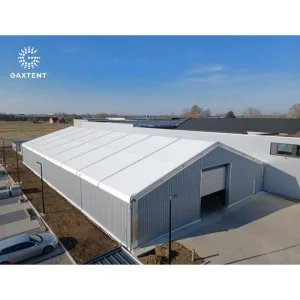
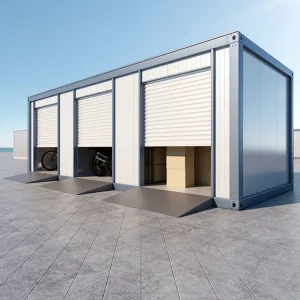
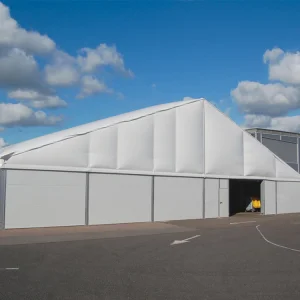
A leading prefabricated steel structures manufacturer, delivering quality and structural reliability.
Dongguan Metro Build Co., Ltd. is a leading China prefabricated warehouse building manufacturer specializing in the design, production, and supply of high-performance steel warehouse solutions for customers worldwide. With extensive experience in the steel structure industry, the company is committed to delivering durable, cost-effective, and customized building systems that meet the evolving needs of industrial and commercial sectors.
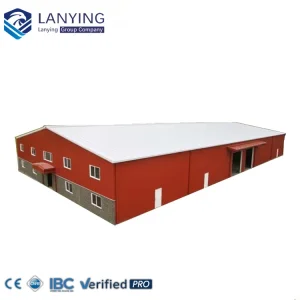
The company offers a comprehensive portfolio of products, including prefabricated warehouse buildings, pre-engineered steel structures, logistics centers, industrial workshops, storage facilities, distribution centers, and customized steel building solutions. Designed for fast installation and long-term performance, Metro Build's products are widely used in manufacturing, logistics, agriculture, retail, and infrastructure projects.
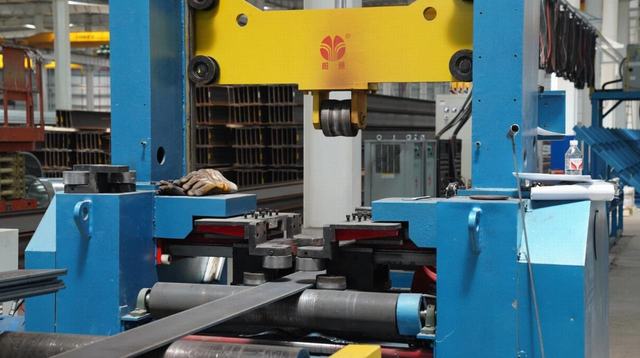
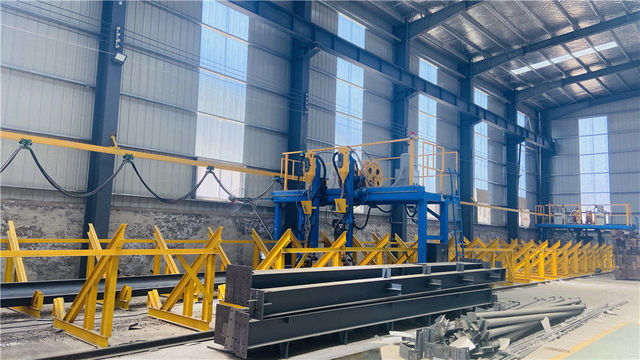
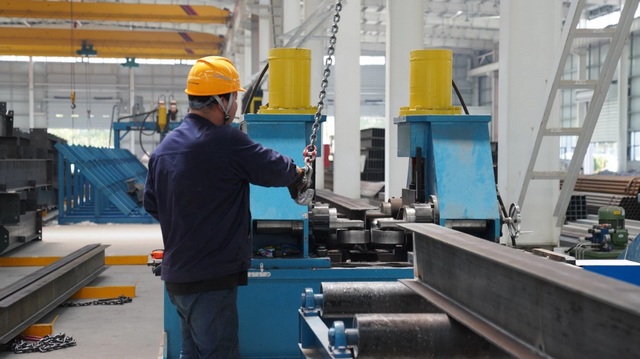
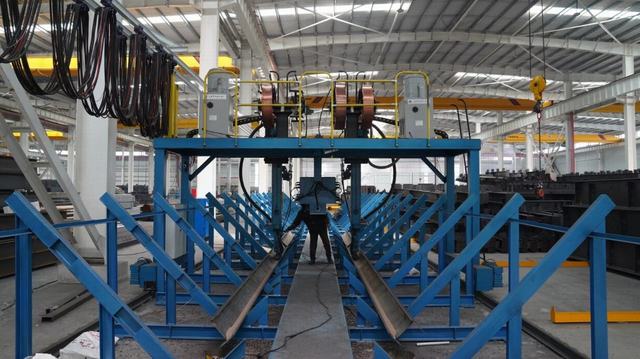
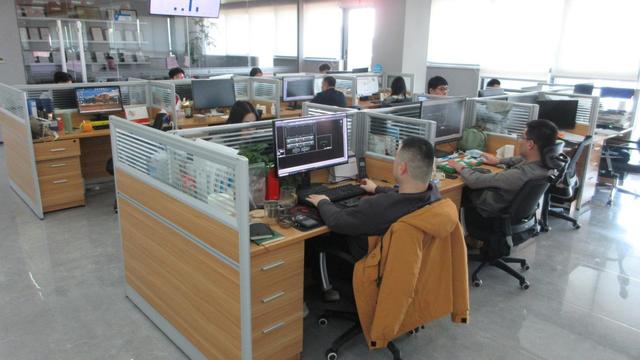
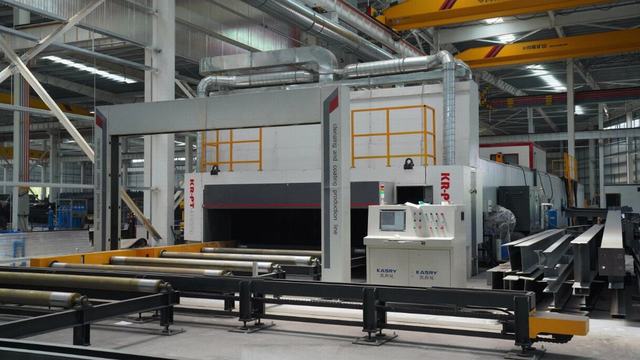
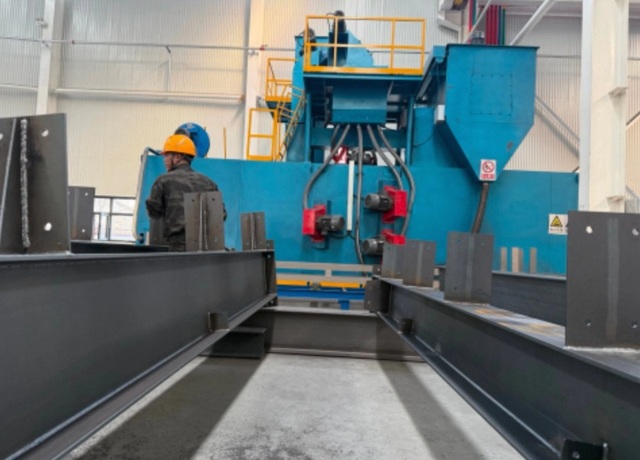
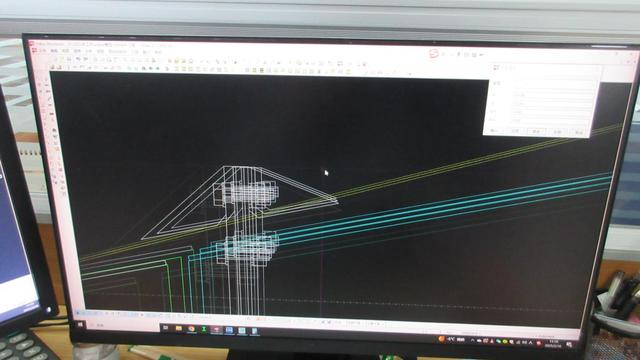
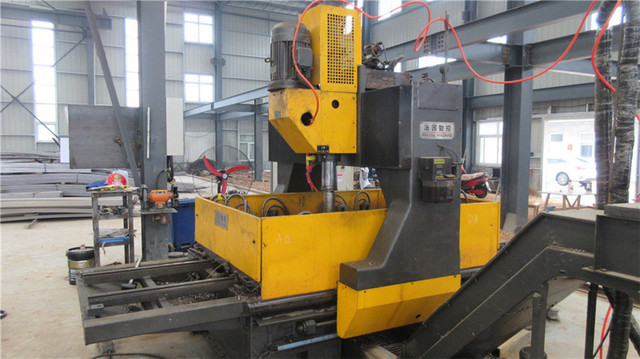
Dongguan Metro Build Co., Ltd. operates advanced manufacturing facilities equipped with modern steel fabrication machinery and precision production lines. Supported by a skilled engineering and quality control team, the company provides one-stop services covering project consultation, structural design, manufacturing, quality inspection, packaging, and global shipping coordination.
Quality and innovation are at the core of Metro Build's operations. The company strictly follows international manufacturing standards and continuously improves its production processes to ensure superior structural strength, weather resistance, and energy efficiency. By adopting prefabrication technologies, Metro Build helps customers significantly reduce construction time, labor costs, and on-site installation complexity.
Driven by the principles of quality, reliability, and customer satisfaction, Dongguan Metro Build Co., Ltd. has established long-term partnerships with clients across Asia, Europe, the Middle East, Africa, and the Americas. The company remains dedicated to providing innovative steel warehouse solutions that create lasting value for global customers.
Crucial technical and compliance questions answered for Czech procurement officers and project managers.
Consult with our structural engineering team today. Get a customized 3D design draft, Eurocode static analysis report, and a detailed price quotation.
Send Inquiry Now Metro Build