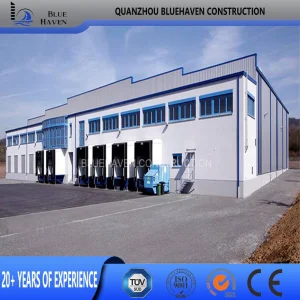
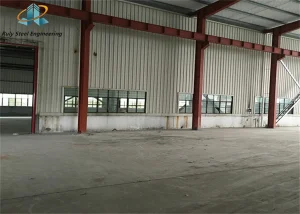
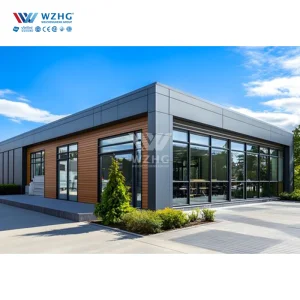
Explore our high-performance structural steel and insulated solutions designed for global logistics infrastructure.
The global demand for high-capacity industrial cold storage has experienced an unprecedented surge, driven by structural shifts in global e-commerce, the expansion of biopharmaceutical logistics, and the modernization of international food supply chains. Industrial cold storage facilities are no longer simple insulated boxes; they represent complex thermodynamic systems that operate at the intersection of structural steel engineering, thermal envelope science, and automated material handling.
Modern cold preservation requirements dictate highly specialized storage temperatures ranging from +15°C for pharmaceuticals and dry items, down to -25°C for frozen foods, and even ultra-low climates of -40°C to -80°C for deep-freeze seafood and biomedical elements. Maintaining these temperature boundaries under varying atmospheric conditions requires meticulous mechanical and structural coordination. Energy efficiency has emerged as the primary determinant of long-term profitability, forcing developers to prioritize structural systems with exceptionally low heat transmission factors (U-values) and zero thermal bridges.
Increasing strictness in global healthcare compliance (such as FDA and WHO standards) requires validation-ready cold spaces with multi-zone climate control, back-up power structures, and precise temperature-humidity thresholds.
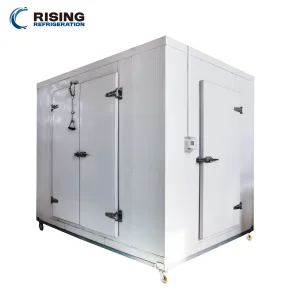
The explosion of online grocery deliveries necessitates fast-installation regional hubs. These rely heavily on prefabricated modular cold rooms that can be swiftly deployed within steel-frame envelope structures.
High-rise Automated Storage and Retrieval Systems (ASRS) optimize land footprint and minimize human presence inside sub-zero environments, which significantly cuts heat entry and energy consumption.
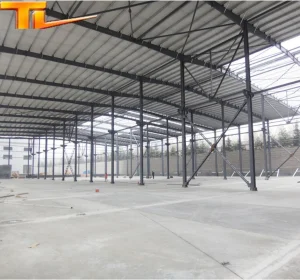
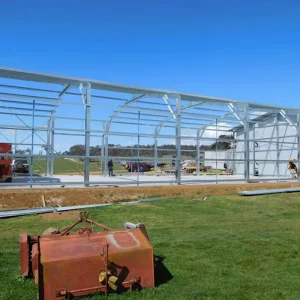
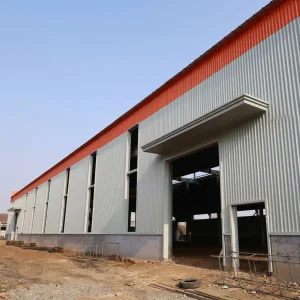
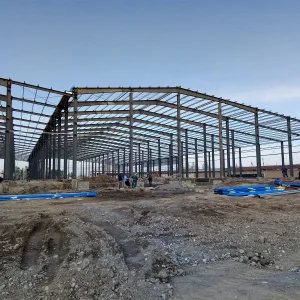
Successful execution of large-scale industrial cold storage projects depends on two main technical systems working in perfect harmony: the structural steel framework and the thermal insulation envelope.
The performance of any cold storage facility is measured by its thermal insulation capabilities. We supply Polyurethane (PU) and Polyisocyanurate (PIR) core sandwich panels designed with high-density foam (typically 40-42 kg/m³) to ensure maximum structural strength and low thermal conductivity. PIR panels offer excellent fire retardancy, carrying Class B-s1, d0 fire rating classifications under international standards.
The joints of these panel structures employ double-tongue-and-groove slip joints equipped with factory-applied gaskets. This assembly technique prevents convective heat leaks and minimizes moisture infiltration, which could otherwise lead to ice formation inside the core structure, causing structural decay over time.
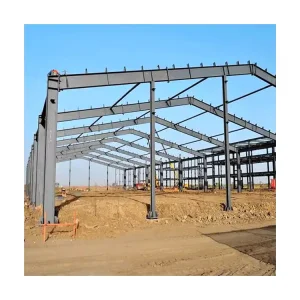
Low temperatures modify the physical behavior of building materials. Standard structural steel can experience embrittlement when exposed to sustained freezing environments. To prevent this, we build our load-bearing frames using structural steel grades like Q355B or Q355D, which undergo impact tests at sub-zero temperatures to confirm their ductility.
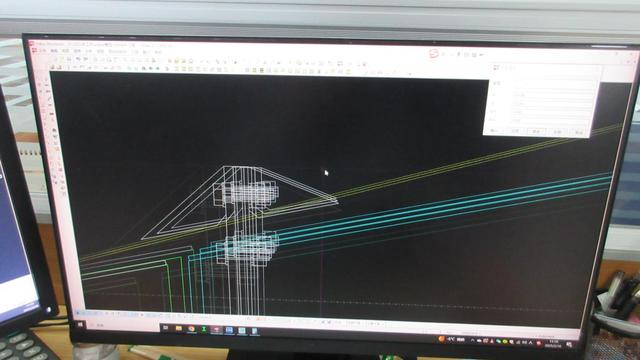
Our building designs are customized to manage the temperature difference between the freezing interior and the warm exterior. This difference generates significant thermal stresses across the steel members. Advanced engineering software is utilized to design sliding joints and thermal expansion spaces, ensuring the structural integrity of the frame remains stable year-round.
Utilizing high-density PVC load-bearing inserts to separate structural steel elements from the foundation, preventing heat leaks through the floor connections.
Engineered to withstand heavy structural stresses, high wind loads, and ground movements, ensuring stable support for dynamic, automated racking operations.
Integrating sub-floor ventilation and floor-heating loops prevents moisture in the soil from freezing, which avoids ground expansions that can crack structural slabs.
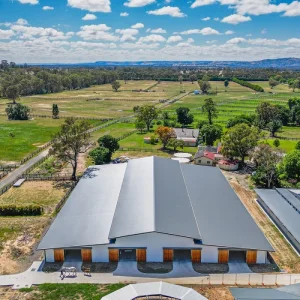
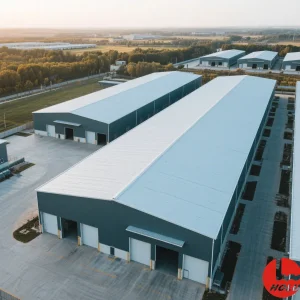
Dongguan Metro Build Co., Ltd. is a leading China prefabricated warehouse building manufacturer specializing in the design, production, and supply of high-performance steel warehouse solutions for customers worldwide. With extensive experience in the steel structure industry, the company is committed to delivering durable, cost-effective, and customized building systems that meet the evolving needs of industrial and commercial sectors.
The company offers a comprehensive portfolio of products, including prefabricated warehouse buildings, pre-engineered steel structures, logistics centers, industrial workshops, storage facilities, distribution centers, and customized steel building solutions. Designed for fast installation and long-term performance, Metro Build's products are widely used in manufacturing, logistics, agriculture, retail, and infrastructure projects.
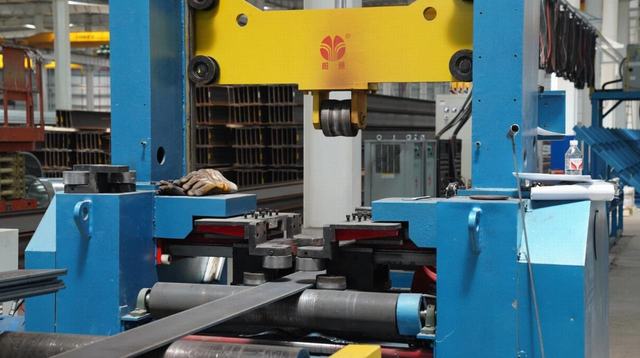
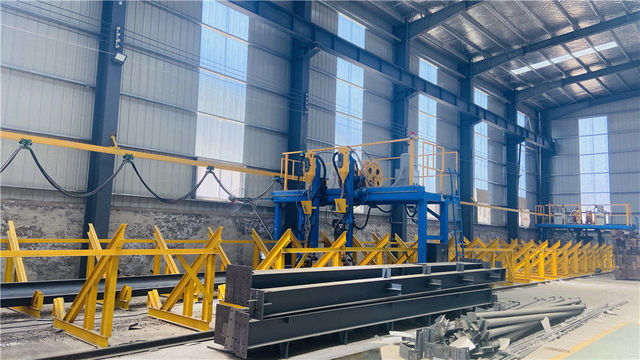
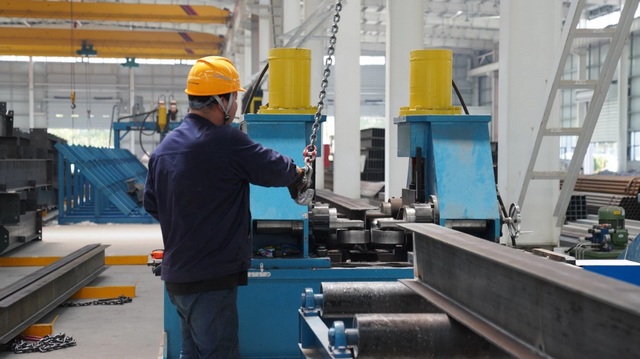
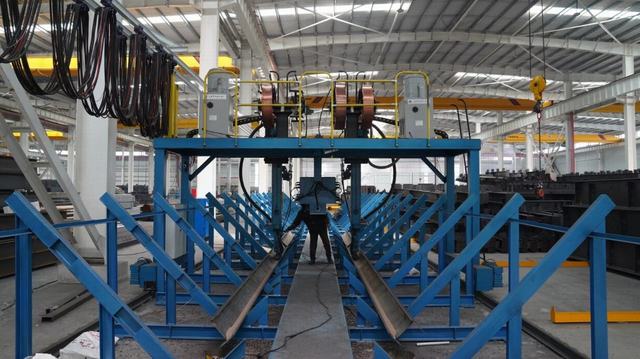
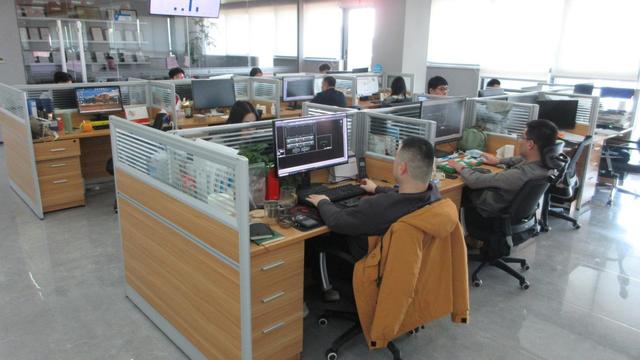
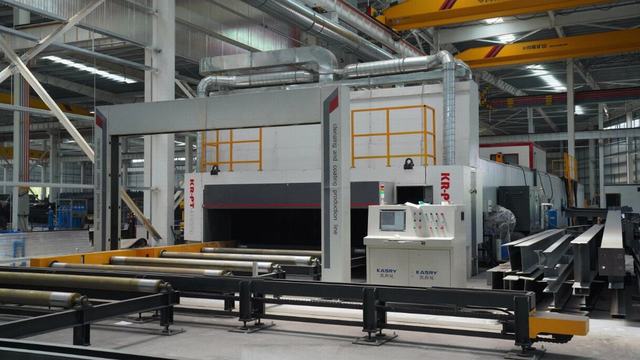
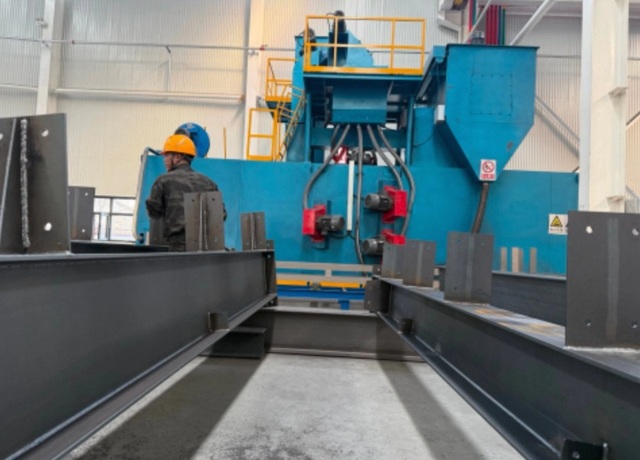
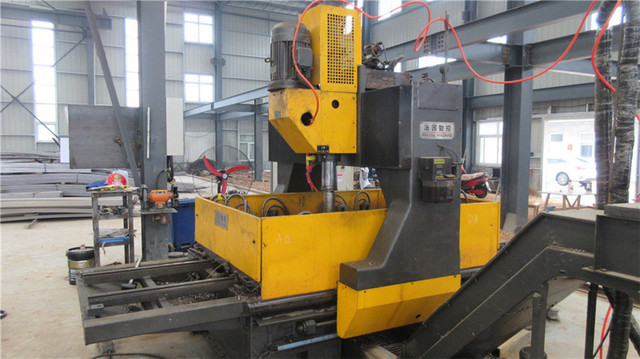
Dongguan Metro Build Co., Ltd. operates advanced manufacturing facilities equipped with modern steel fabrication machinery and precision production lines. Supported by a skilled engineering and quality control team, the company provides one-stop services covering project consultation, structural design, manufacturing, quality inspection, packaging, and global shipping coordination.
Quality and innovation are at the core of Metro Build's operations. The company strictly follows international manufacturing standards and continuously improves its production processes to ensure superior structural strength, weather resistance, and energy efficiency. By adopting prefabrication technologies, Metro Build helps customers significantly reduce construction time, labor costs, and on-site installation complexity.
Driven by the principles of quality, reliability, and customer satisfaction, Dongguan Metro Build Co., Ltd. has established long-term partnerships with clients across Asia, Europe, the Middle East, Africa, and the Americas. The company remains dedicated to providing innovative steel warehouse solutions that create lasting value for global customers.
Building cold chain infrastructure requires adjusting standard designs to perform reliably under localized climate conditions. Ambient temperatures and humidity levels directly impact the insulation thickness, structural loads, and refrigeration system configurations.
High relative humidity and consistent heat increase vapor pressure. Design priorities focus on high-performance exterior vapor barriers to prevent moisture infiltration and thick PU/PIR panels (up to 200mm) to minimize heat transfer.
Extreme daytime temperatures require specialized structural solutions. We integrate ventilated roof spaces above the cold storage core to lower heat transfer from direct sunlight, reducing cooling demands.
Focuses on structural flexibility. Buildings feature ductile steel connections (Q355B) and heavy-duty seismic bracing, designed to protect internal racking systems and structural insulated envelopes during ground movements.
We keep our manufacturing processes and building designs aligned with evolving global efficiency standards and technological developments.
Modern logistics structures are shifting toward smart, connected facilities. By embedding IoT sensors directly into PU/PIR panel joints, operators can monitor moisture levels and detect insulation wear before it impacts cooling efficiency. Structurally, we design frameworks that support digital twin modeling, enabling predictive maintenance schedules for building envelopes and high-load steel racking structures.
Next-generation designs focus on lowering carbon footprints. Our steel frameworks are engineered with load capacities to support rooftop solar array systems, allowing cold storage facilities to generate renewable power. Combined with phase-change insulation materials, these buildings are optimized to maintain stable cold storage temperatures during peak energy rate periods, lowering daily operational costs.
Expert structural answers to frequently asked technical and commercial cold chain questions.
Explore our pre-engineered steel frames, poultry structures, and automated warehousing systems built to last.
 Metro Build