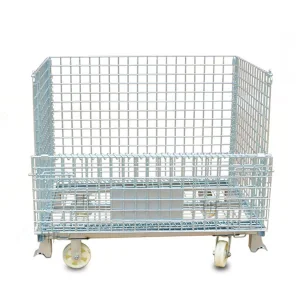
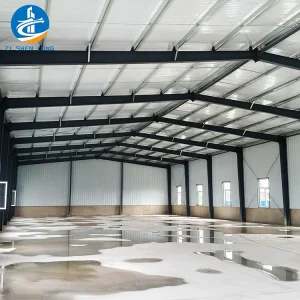
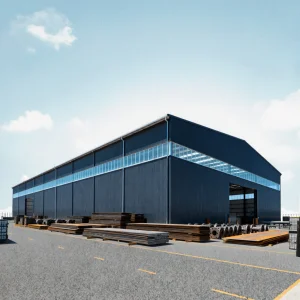
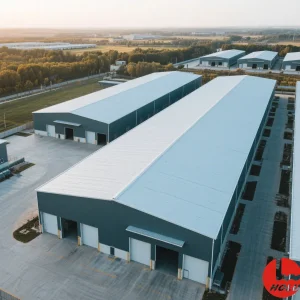
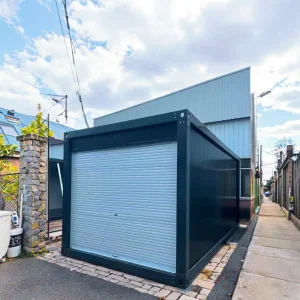
Engineered for durability, modular scalability, and swift global implementation. Browse our primary lineup of prefabricated storage units.
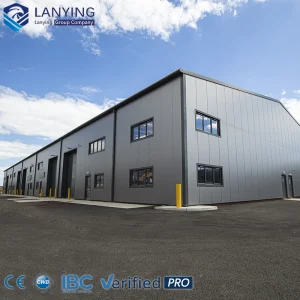
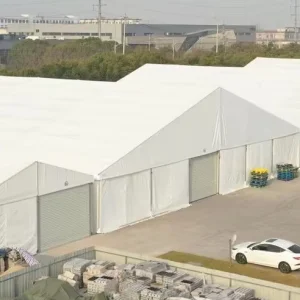
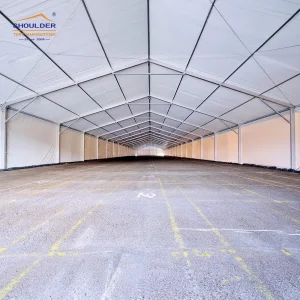
Modern global commerce demands unprecedented warehouse velocity and capacity. Driven by the rapid expansion of cross-border e-commerce, third-party logistics (3PL), and dynamic cold chain networks, the requirements for industrial warehousing have shifted. Simple storage shelters no longer suffice; businesses now require highly engineered, prefabricated, and integrated high-capacity facilities.
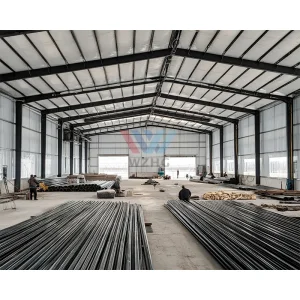
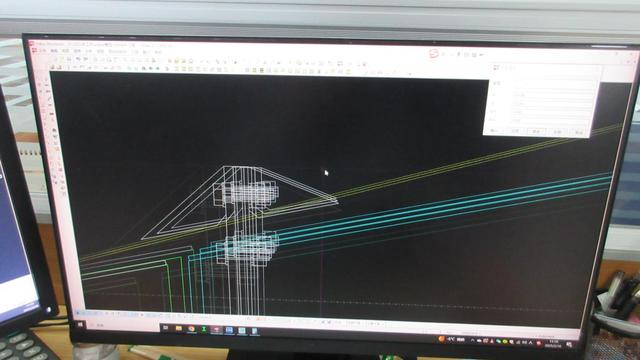
Globally, industrial real estate faces severe space limitations. Manufacturers and logistics operators are optimizing vertical height, using heavier automated storage systems (such as ASRS), and demanding clear-span layouts that eliminate interior column barriers. These needs demand high-tensile structural steel engineering, precise building information modeling (BIM), and modular factory construction systems that drastically compress project delivery cycles.
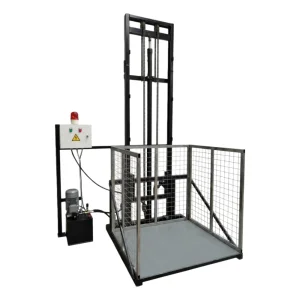
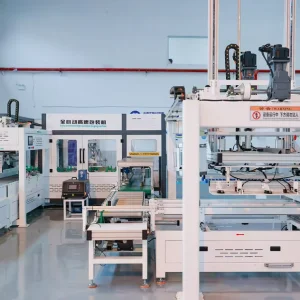
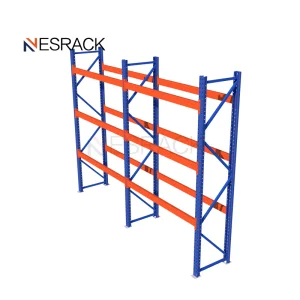
From modern palletizing systems to high-capacity vertical lifts, modern facilities integrate structural envelopes with smart internal material handling systems.
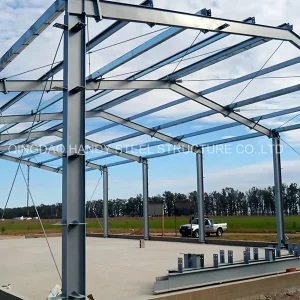
Complying with AISC, Eurocode, CE, and UKCA, our customized structural frames are fabricated using high-grade Q355 structural steel with hot-dip galvanized finishes for corrosion protection.
Seismic-resistant, wind-rated framing systems are optimized with PU, PIR, or Rockwool sandwich panels, delivering high thermal efficiency for temperature-controlled cold chains.
Exploring the technical innovations driving the design of high-capacity prefabricated industrial facilities.
Modular pre-engineered building (PEB) design allows structures to expand. By spacing bays at standardized 6m, 7.5m, or 9m increments, operators can seamlessly scale their structural footprints as business demands evolve.
Steel is a circular construction material. Precision off-site prefabrication reduces on-site material waste by over 90% and ensures that structural elements can be dismounted, repurposed, or recycled, keeping embedded carbon footprints low.
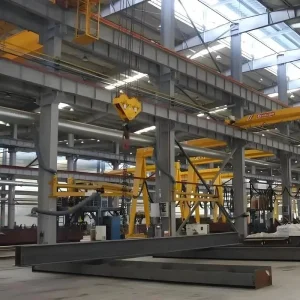
Modern layouts are structurally customized to support crane loads, monorail gantries, mezzanine decking, and rapid floor loads (engineered for flatness under superflat DIN 18202 standards) required for autonomous forklift fleets.
Industrial constructions must adapt to specific geographic environments. Whether confronting the extreme heat of the Middle East, seismic risks in South America, or unique logistics requirements across Sub-Saharan Africa, custom engineering ensures structural reliability.
In regions facing restricted access to specialized on-site machinery and long supply lead times, the focus shifts to bolted connection systems and high-clearance modular workshops. Our steel frame packages are pre-drilled, pre-punched, and pre-marked for straightforward assembly by local crews. This design simplifies logistics and reduces construction timelines by up to 50% compared to traditional poured-in-place concrete structures.
Extreme summer heat requires efficient insulation solutions. Our custom structures integrate high-density polyurethane (PU) sandwich panels and dual-seal vapor barrier membranes. This helps operators lower HVAC power consumption by up to 35% and maintains stable interior microclimates, which is essential for sensitive logistics and food-grade warehousing.
Our engineering team designs structures to handle high wind loads (up to 250 km/h) and moderate-to-high seismic forces. We achieve this by optimizing steel column placement, utilizing high-tensile Q355B portal frames, and employing hot-dip galvanized finishes. These structural enhancements help prevent degradation from salt spray corrosion, high humidity, and tectonic movement.
In metropolitan areas where industrial real estate prices are high, vertical efficiency is key. We design multi-tier steel mezzanine systems and reinforce concrete-over-deck platforms. These additions support heavy-duty automated sorting equipment and allow operators to double or triple their usable floor space without expanding the building's physical footprint.
Dongguan Metro Build Co., Ltd. is a leading China prefabricated warehouse building manufacturer specializing in the design, production, and supply of high-performance steel warehouse solutions for customers worldwide. With extensive experience in the steel structure industry, the company is committed to delivering durable, cost-effective, and customized building systems that meet the evolving needs of industrial and commercial sectors.
The company offers a comprehensive portfolio of products, including prefabricated warehouse buildings, pre-engineered steel structures, logistics centers, industrial workshops, storage facilities, distribution centers, and customized steel building solutions. Designed for fast installation and long-term performance, Metro Build's products are widely used in manufacturing, logistics, agriculture, retail, and infrastructure projects.
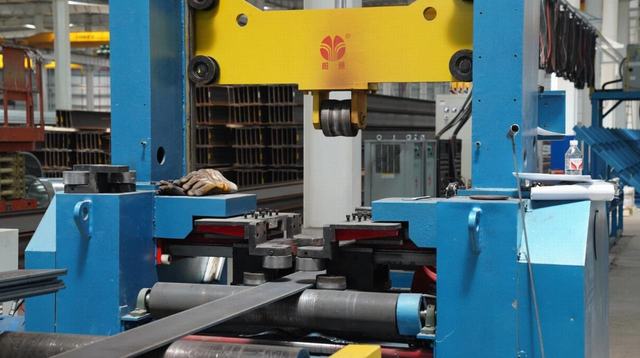
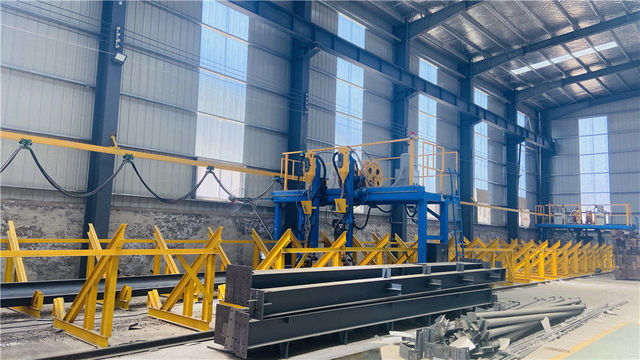
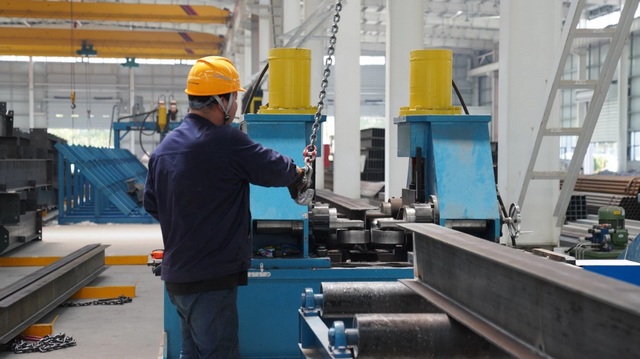
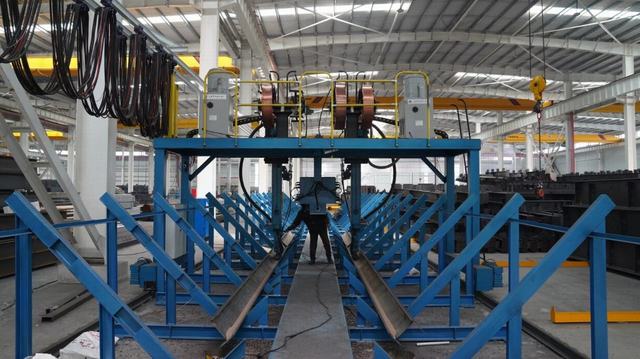
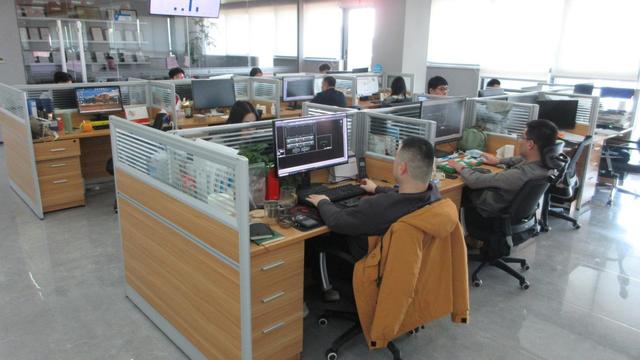
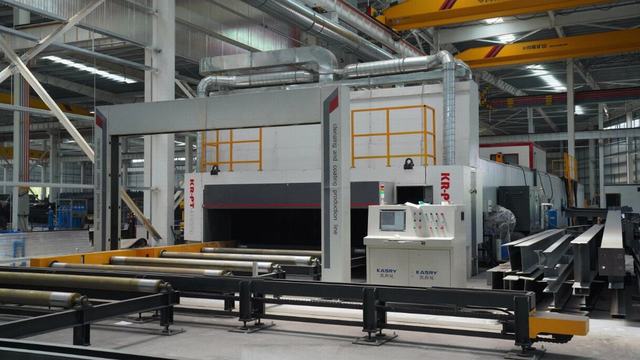
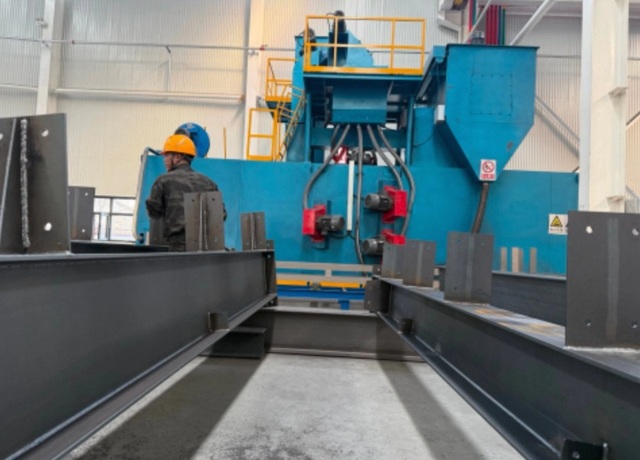
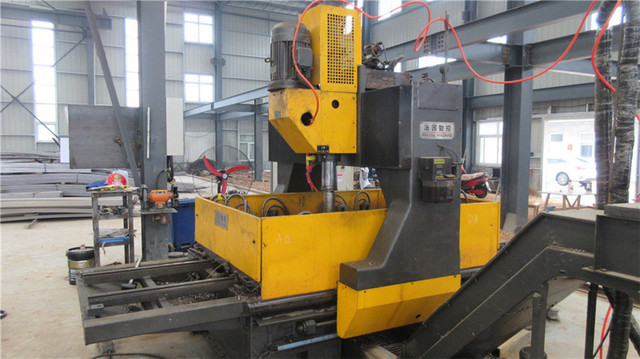
Dongguan Metro Build Co., Ltd. operates advanced manufacturing facilities equipped with modern steel fabrication machinery and precision production lines. Supported by a skilled engineering and quality control team, the company provides one-stop services covering project consultation, structural design, manufacturing, quality inspection, packaging, and global shipping coordination.
Quality and innovation are at the core of Metro Build's operations. The company strictly follows international manufacturing standards and continuously improves its production processes to ensure superior structural strength, weather resistance, and energy efficiency. By adopting prefabrication technologies, Metro Build helps customers significantly reduce construction time, labor costs, and on-site installation complexity.
Driven by the principles of quality, reliability, and customer satisfaction, Dongguan Metro Build Co., Ltd. has established long-term partnerships with clients across Asia, Europe, the Middle East, Africa, and the Americas. The company remains dedicated to providing innovative steel warehouse solutions that create lasting value for global customers.
Every factory assembly is pre-assembled at our facilities to verify structural tolerances and alignment. We construct all primary framing to exceed ASTM, BS, GB, and Eurocode requirements, giving our global clients reliable structural performance.
Get authoritative answers on cost estimation, building code compliance, customization options, and lead times.
The construction cost of a 1000 square meter or larger warehouse is determined by several core factors: span configuration (clear span vs. multi-span with interior columns), local wind, snow, and seismic code requirements, corrosion control specifications (painting vs. hot-dip galvanizing), and insulation properties (single sheet cladding vs. composite sandwich panels). Clear-span structures require larger primary steel members, which can increase the cost per square meter, but they provide unobstructed interior space.
Our structural engineering team uses finite element analysis to compute dead, live, wind, and seismic loads based on local building codes. We configure the structure using high-tensile Q355B steel, add custom cross-bracing and portal frames, and design secure anchor bolt systems. This ensures stability under extreme weather events, including hurricanes and earthquakes.
Yes. During the design phase, our engineers integrate automated equipment requirements into our structural models. We design reinforced baseplate attachments, configure overhead crane runways, and ensure the structure can accommodate the high point-loads of automated storage and retrieval systems (ASRS) and automatic palletizers.
For coastal and humid environments, we recommend hot-dip galvanization (minimum 600g/m² coating weight) for all primary and secondary structural members, including purlins and girts. For standard projects, we apply a high-durability epoxy zinc-rich primer and finish coating system to prevent rust and corrosion.
Prefabricated steel structures offer several key benefits over concrete: they reduce construction times by 35% to 50%, lower foundation load demands due to steel's high strength-to-weight ratio, provide flexible clear-span layouts, and are 100% recyclable. This makes them a more cost-effective and sustainable option for industrial buildings.
Discover more specialized structural steel and logistics storage solutions optimized for heavy industrial applications.
 Metro Build