Metro Build
1 / 5

The application of steel structure construction technology in construction projects will help promote the green development of the construction industry and meet the needs of sustainable development. Facing the challenges brought by sustainable development, the construction industry bears the brunt, and energy saving and environmental protection become the theme. Under the guidance of this concept, building construction needs to choose more energy-saving and environmentally friendly materials. Steel structure construction technology is the main product of the development of construction industrialization. It can meet the construction quality and safety needs of construction projects, extend the durability and stability of buildings, and realize the great exploitation of resources.
The application of steel structure engineering construction technology can withstand the weight of cement concrete and has a strong bearing capacity. It can save material consumption and occupied space, reduce the cross-sectional area of the building, and avoid the total amount of steel structure exceeding the total amount of concrete. Even in the case of seismic disasters, it can effectively reduce the interaction of building materials, ensure the stability of the building structure, and improve the safety of the building.
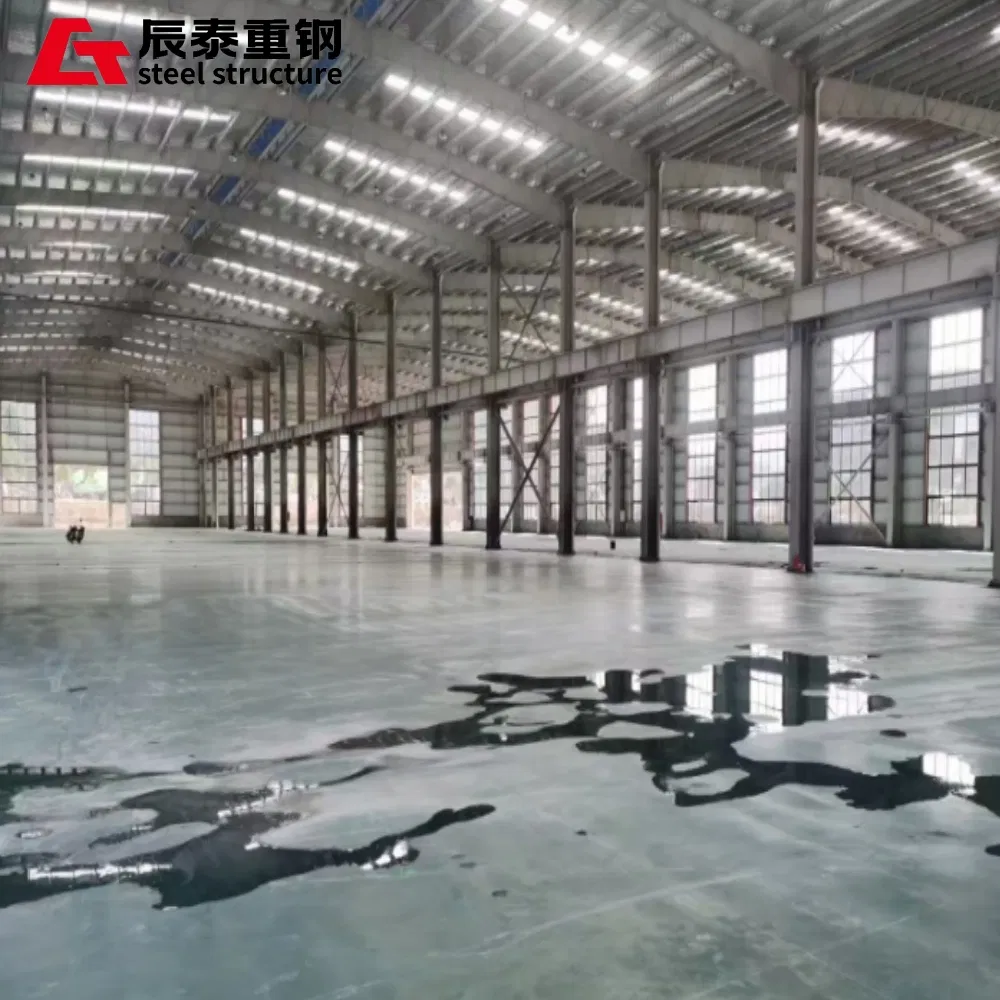
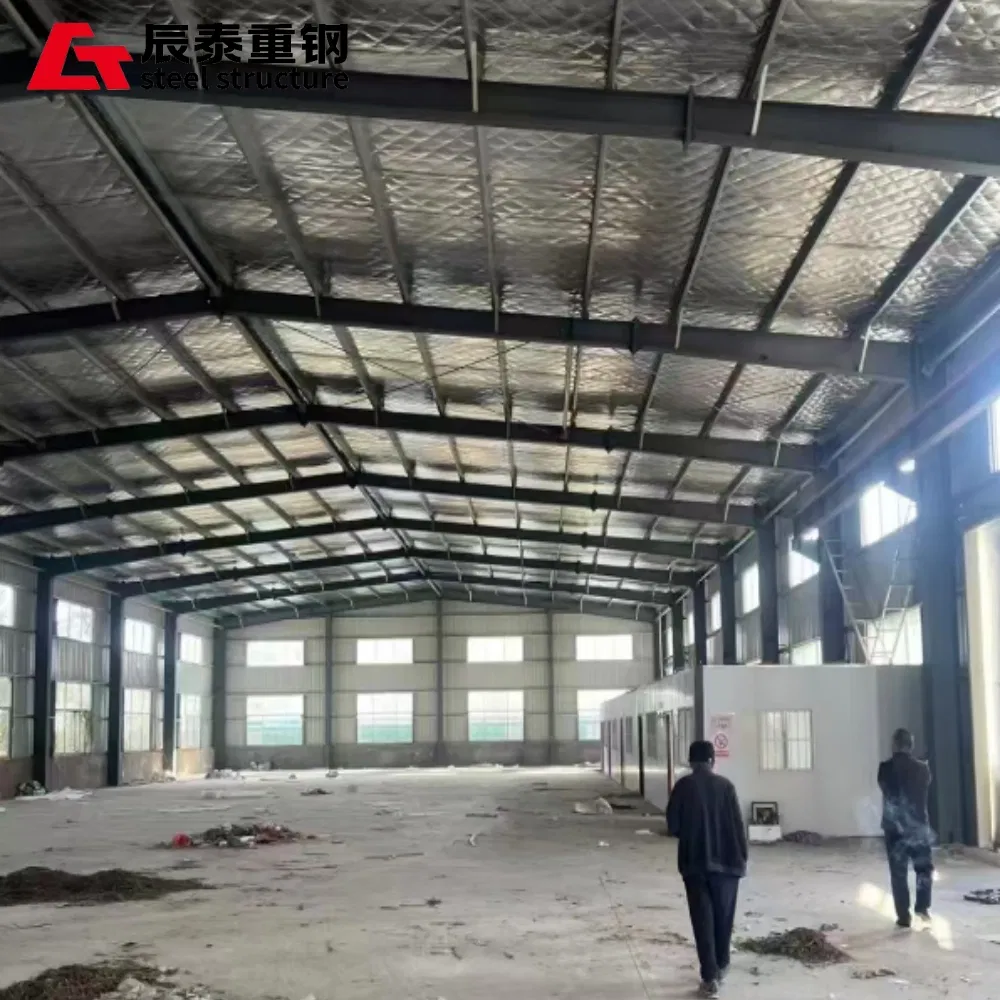
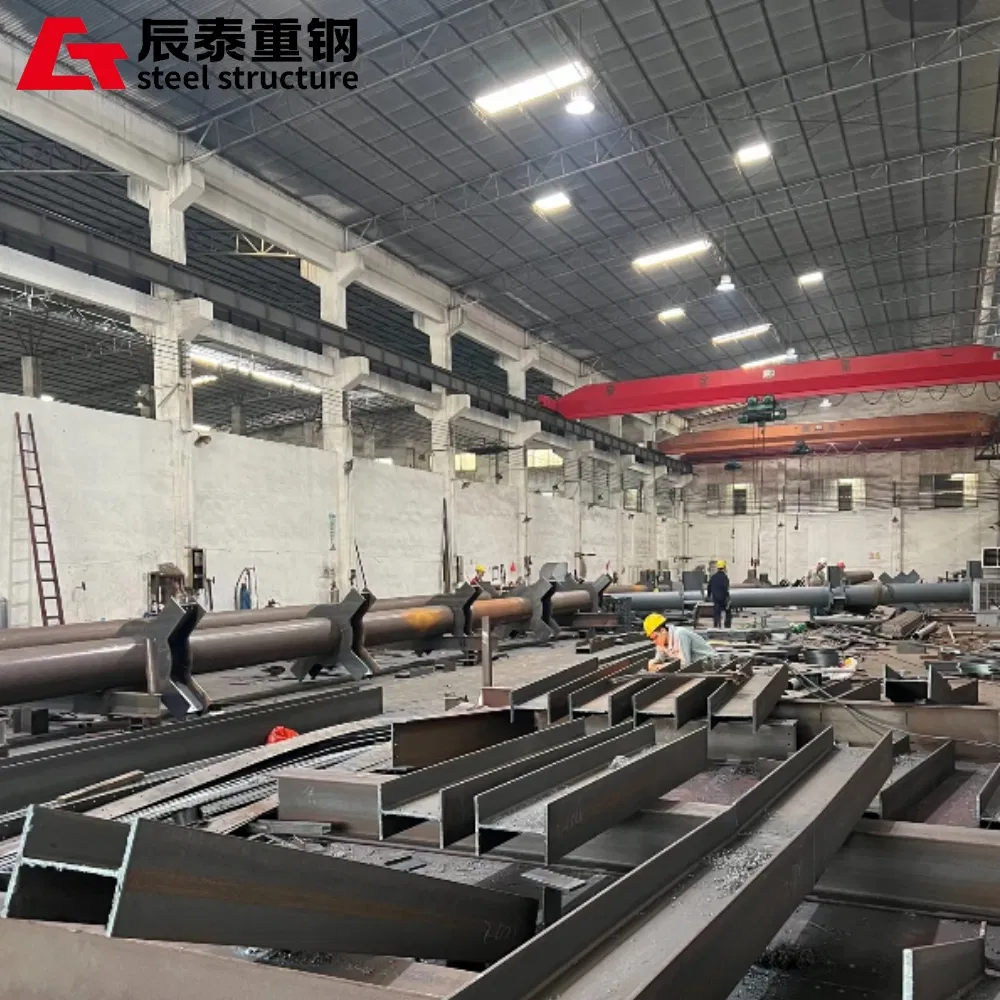
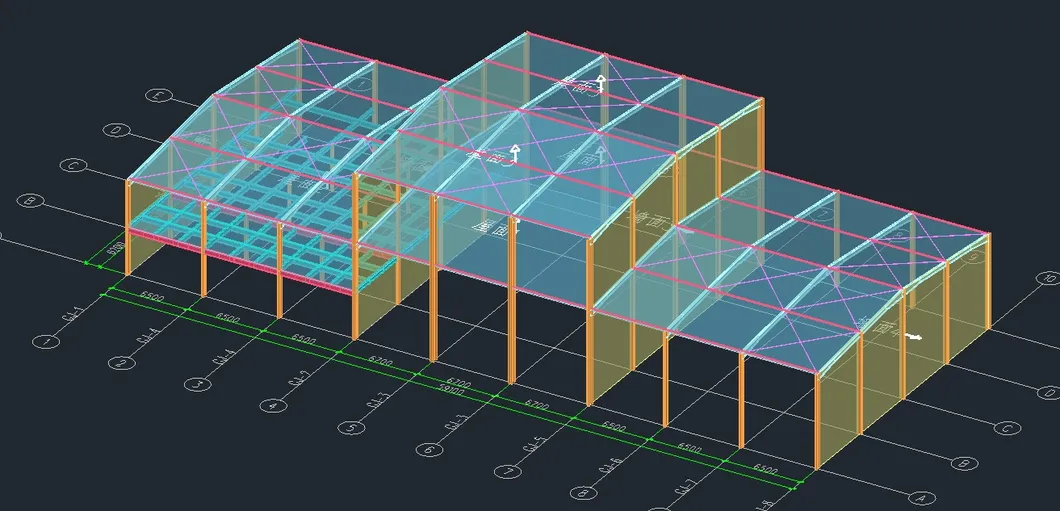
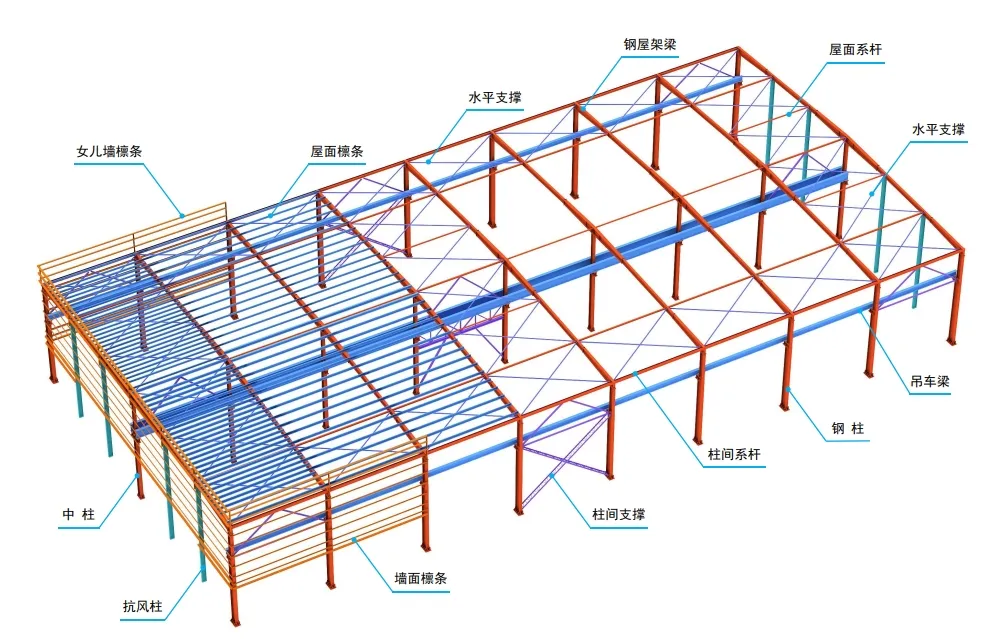
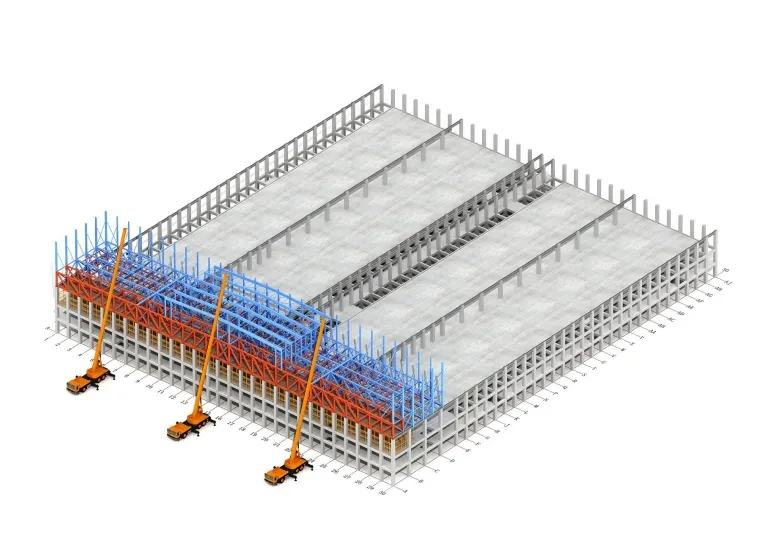
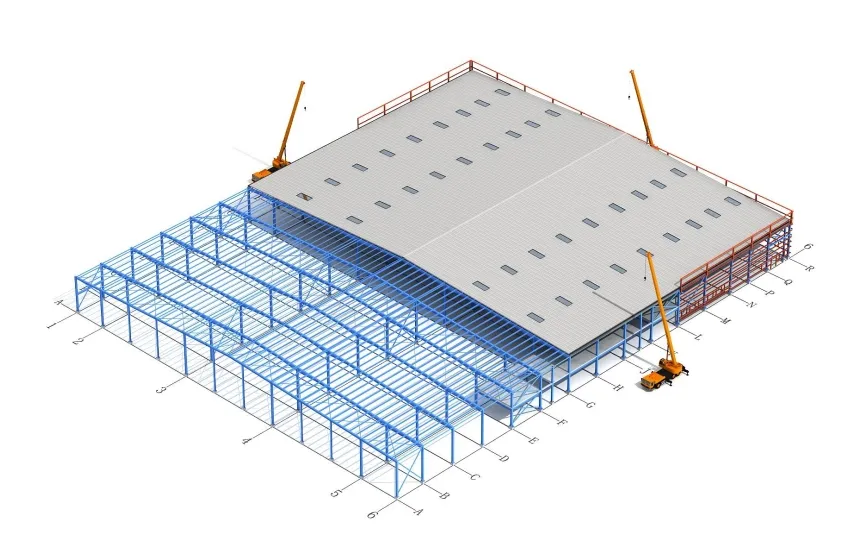
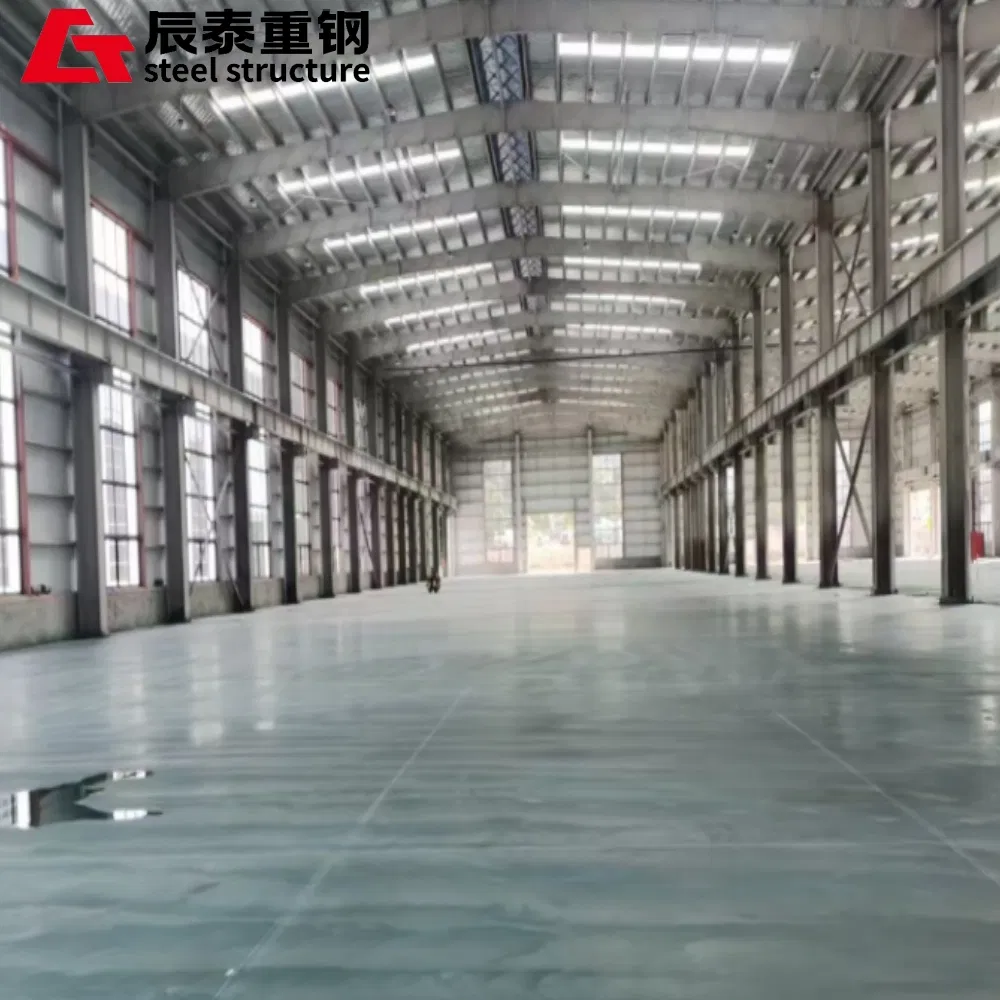
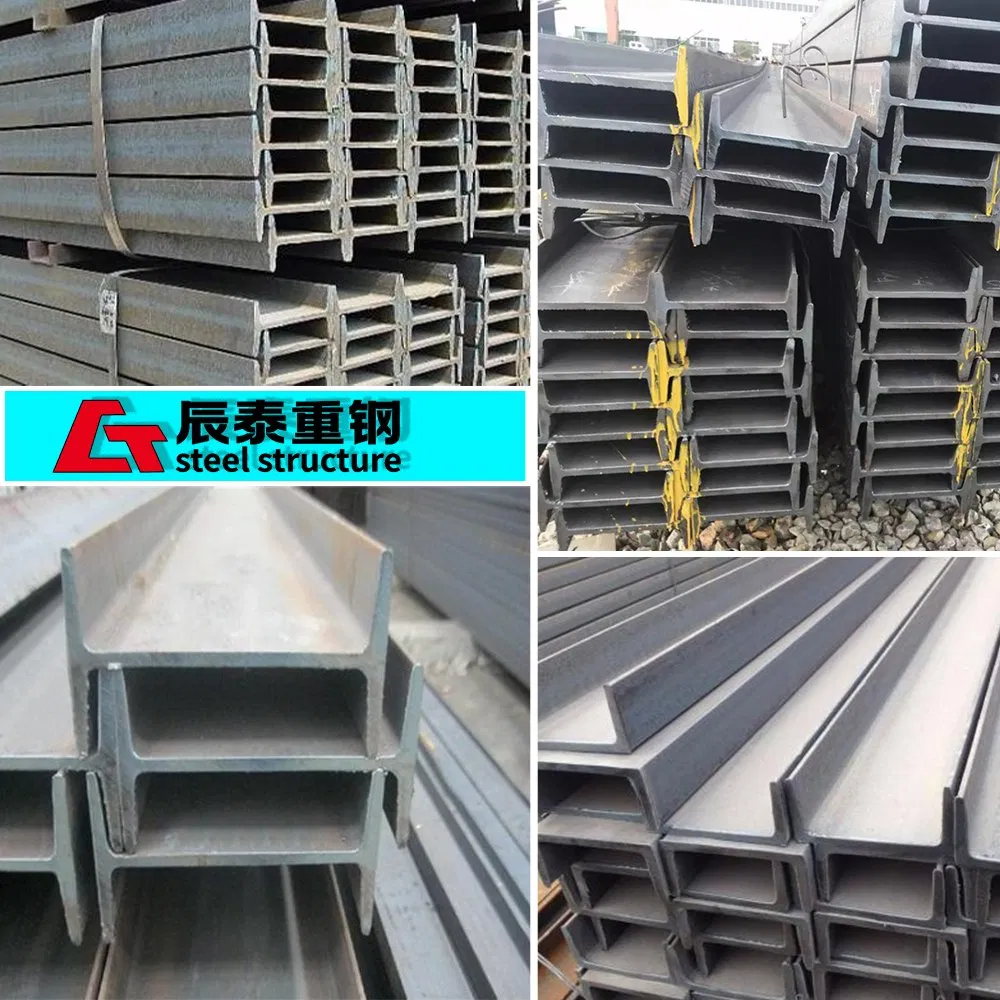
The steel used in steel structure warehouses has excellent strength, such as commonly used I-beams, steel beams, etc., and can withstand huge weight. Compared with traditional building materials, steel has higher strength, which makes it easy to build large-span spaces in steel structure warehouses without requiring too many internal support columns, providing open and unobstructed space for cargo storage, which greatly facilitates large-scale equipment and bulk goods. The storage and handling of goods increases the actual usable area of the warehouse.
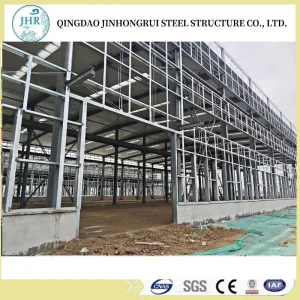
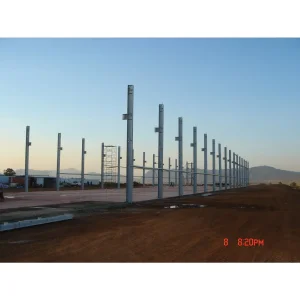
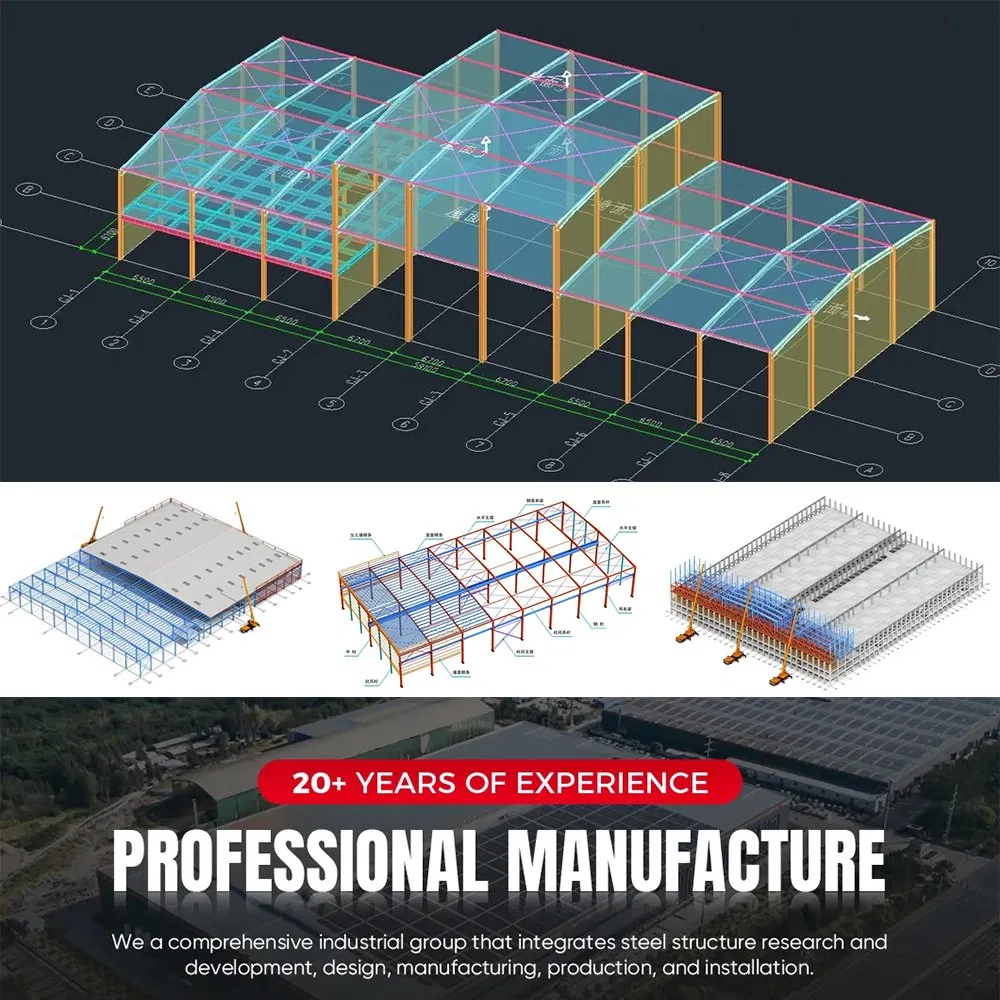
Steel structural members are transported to the site for assembly after being prefabricated in the factory. The construction process is relatively simple. Compared with traditional concrete buildings, time-consuming processes such as on-site pouring and maintenance are reduced. During installation, professional hoisting equipment is used to quickly complete the construction of the steel structural frame, greatly shortening the construction period. For warehouse projects that are in urgent need of putting into use, this can quickly create economic benefits and reduce losses caused by construction delays.
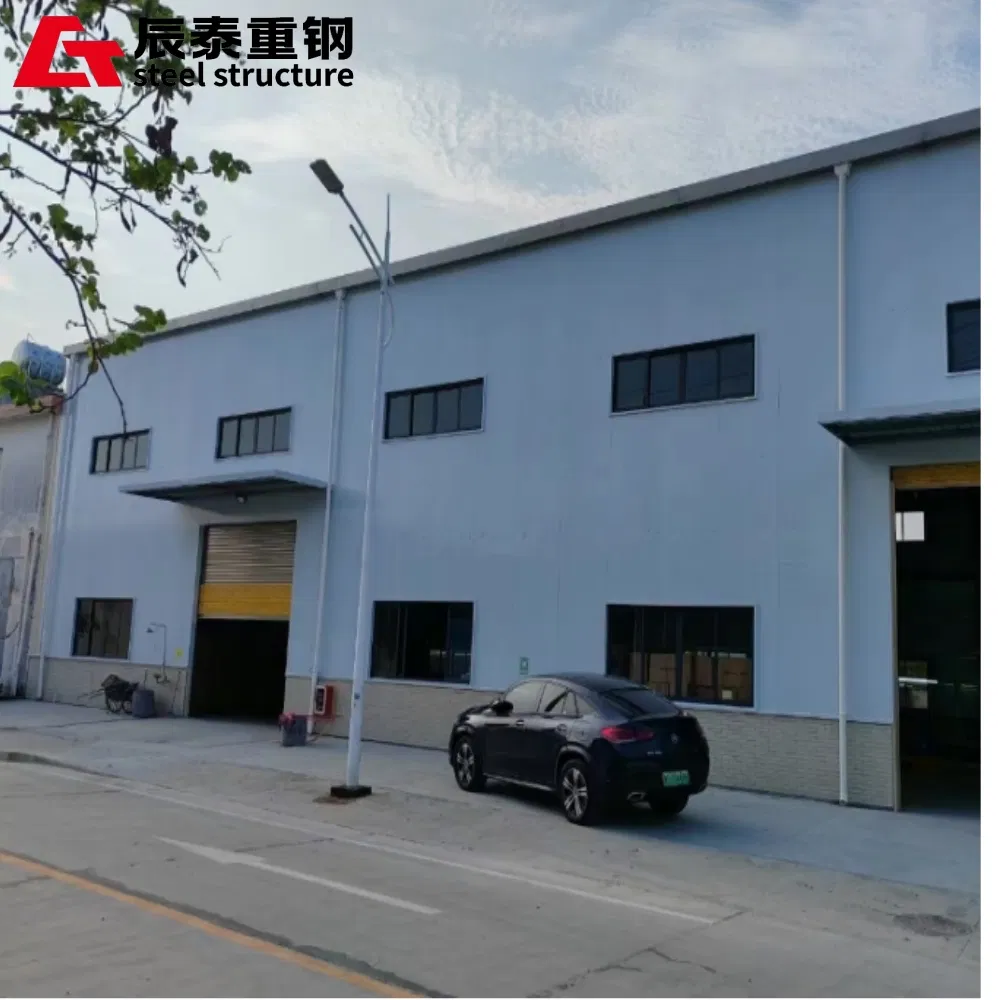
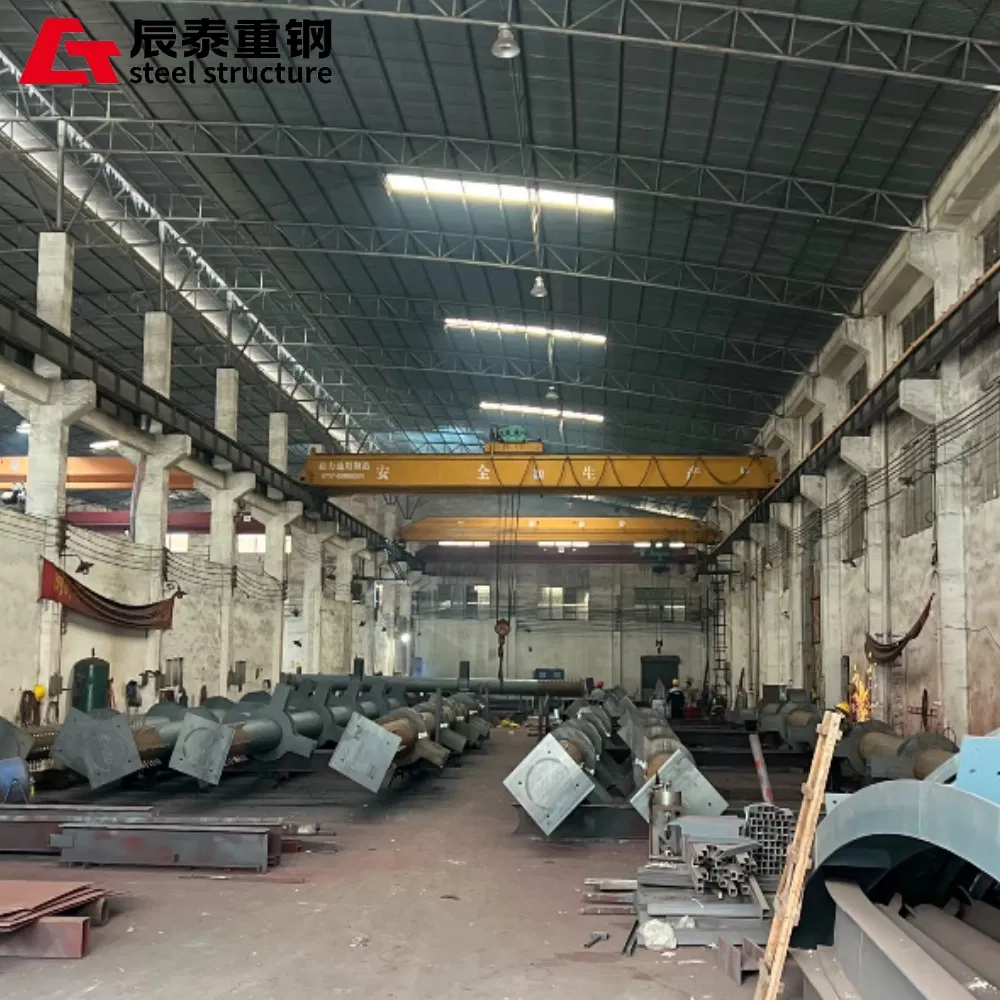
Its interior space is spacious and open, and can be flexibly arranged according to actual storage needs. Whether it is setting up multiple shelves to increase storage height or planning a large-area flat storage area, it can be easily achieved. Moreover, in the later use process, if storage requirements change, the transformation of the steel structure warehouse is relatively easy, and it is easy to adjust the internal layout and remove or add some structures to adapt to the storage requirements of different goods.
During the construction process of steel structure warehouses, relatively little construction waste is generated and has little impact on the environment. Moreover, the steel can be recycled and reused. After the warehouse reaches its service life, the demolished steel can be reprocessed and used in other construction projects, which is in line with environmental protection concepts. In addition, its good thermal insulation properties help reduce the frequency of use of air conditioners, heating and other equipment, reduce energy consumption, and achieve energy conservation goals.
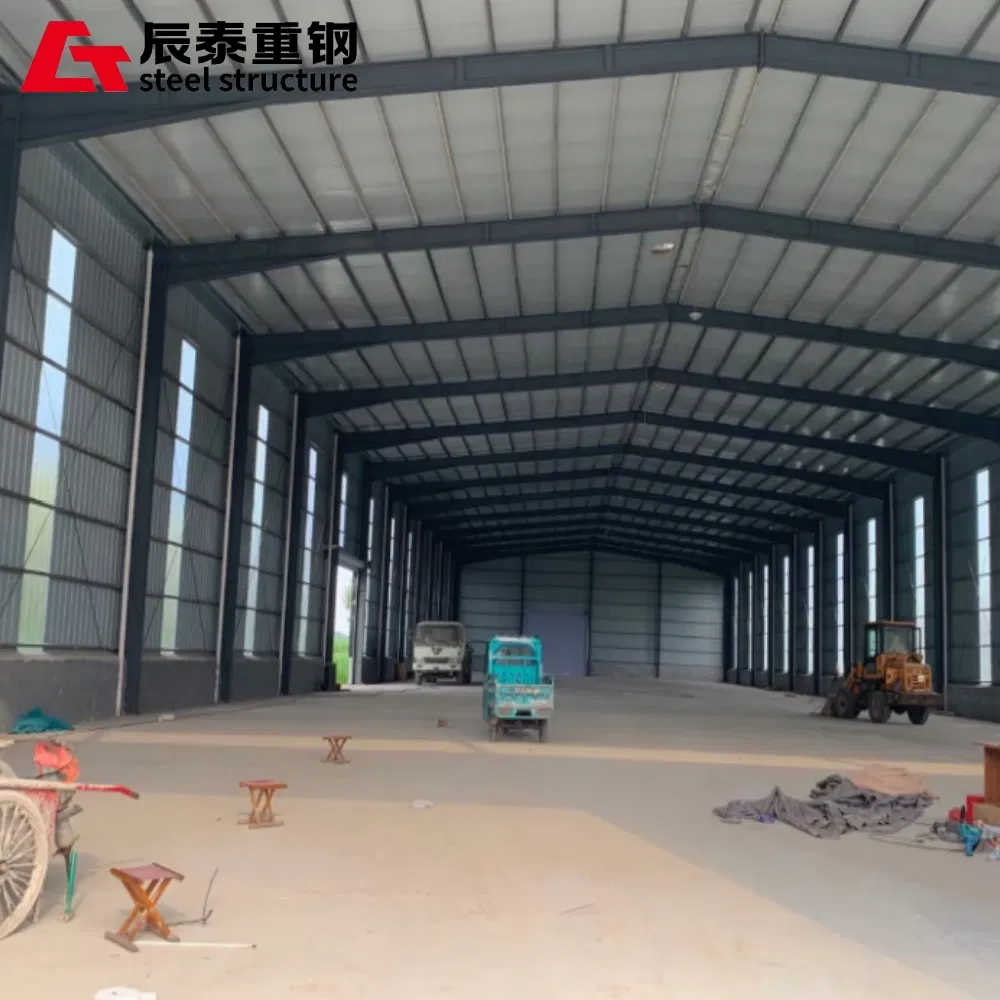
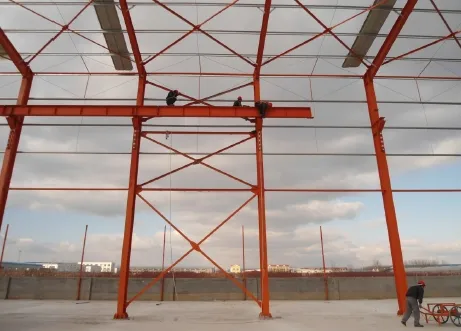
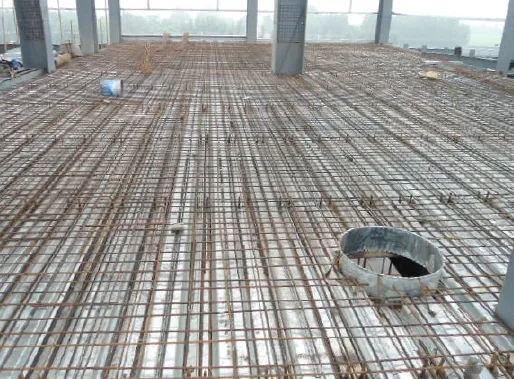
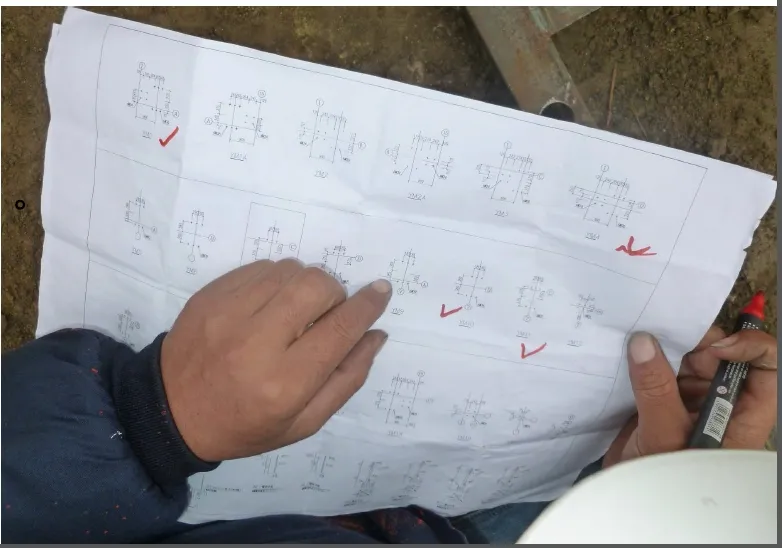
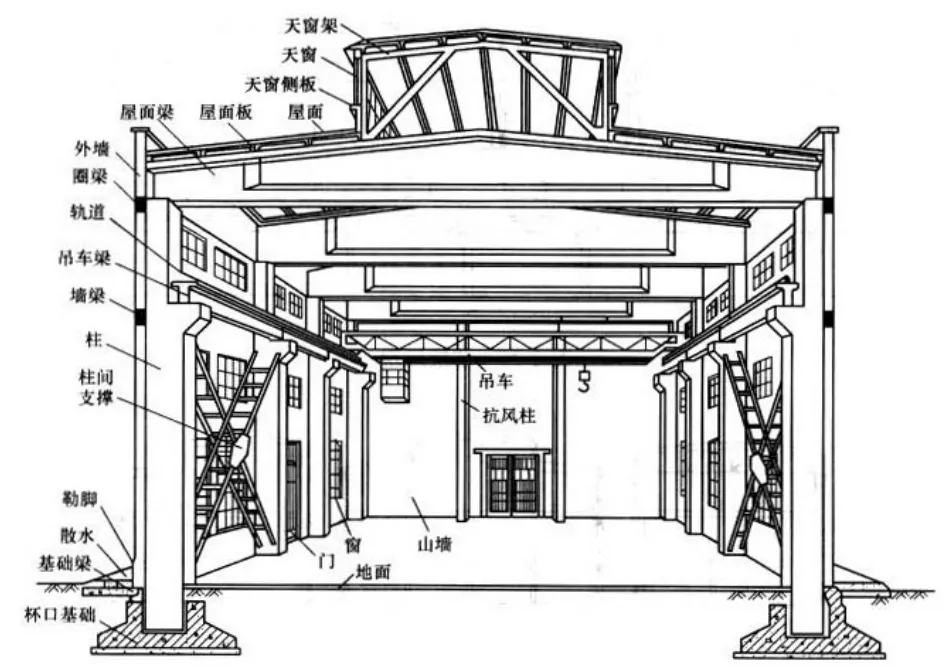
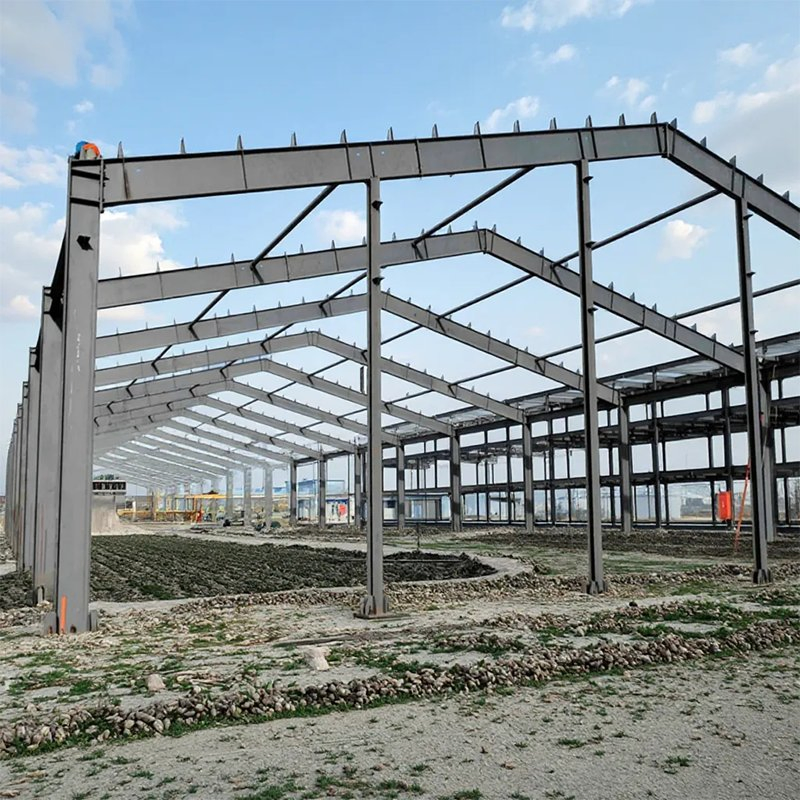
Steel girder assembling is used for larger span truss, light steel structure, section 1, H, mouth type mostly. The connection method has three forms of high-strength bolts, bolt welding combination and welding. Portal steel frame, variable cross-section inclined beam or multi-section, solid web welded I-beam cross-section or light H-section, portal steel frame inclined beam is divided into several units according to the transportation conditions, and the units can be connected with high-strength bolts through the end plates.
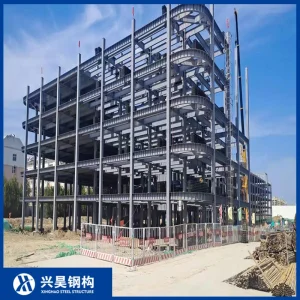
For the sake of structural stability, easy calibration and accurate installation, for multi-storey structural floors, the top beams should be fixed first, then the lower beams, and finally the intermediate beams. When the installation of columns and beams in a frame is completed, measure and correct this in time.
Steel structure anti-corrosion materials include primer, intermediate paint, top coat, thinner and curing agent. Commonly used are polyvinyl chloride, chlorinated rubber, epoxy resin, polyurethane, epoxy zinc-rich, etc.; commonly used colors are red Dan, medium gray, etc.
Process flow: operation preparation → fireproof coating dosing, mixing → spraying → inspection and acceptance of fireproof coating dosing, mixing. Powder coating should be used with the allocation. Spraying: The order of applying the coating is generally first up and then down, first difficult and then easy, first left and then right, in order to keep the thickness of the coating uniform and consistent.
Acceptance of installation of color plates and flood panels on the wall of light steel structure plants. Alignment layout follows: datum line placement, leveling flashing board installation, and final wall panel installation.
Organized drainage is generally classified into organized drainage and unorganized drainage (free drainage). Rainwater drains down via gutters that collect the rainwater. Eaves gutter is divided into outer eaves gutter and inner eaves gutter, sized according to precipitation intensity and drainage speed requirements. To ensure smooth flow to the ground drain, systems generally employ a profile that is high in the middle and low on both sides with downpipes located accordingly.
Gutters are first fastened to purlins. After completing the roof panel installation, the picks are used to fasten the outside of the gutters to the roof panel, and the self-tapping nails (pull rivets) are sealed with structural adhesive. Stainless steel gutter is fixed with 2.0 galvanized iron sheet folded U-channel; color steel gutter is fixed with 2.0 galvanized iron sheet folded pieces.
The connection of the rainwater hopper should be fixed to the load-bearing structure of the roof. The connection between the edge of the rainwater hopper and the roof should be tight and leak-free. The diameter of the connection shall not be less than 100mm unless design specifications outline otherwise.
| Materials | Remark |
|---|---|
| Brace | ordinary, high strength bolt |
| Main frame | H beam |
| Roof & wall | EPS, Rock wool, PU sandwich |
| Insulation panel | EPS, Rock wool, PU sandwich |
| Purlin | C or H section steel purlin |
| Door | Sliding or rolling door |
| Sheet | 0.2mm-0.6mm galvanized steel sheet |
| Material | Q235B, Q355B China standard steel |
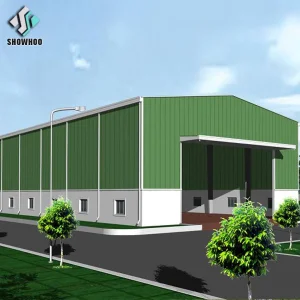
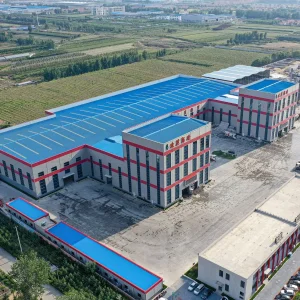
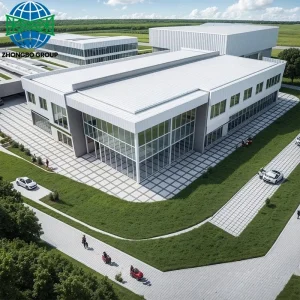
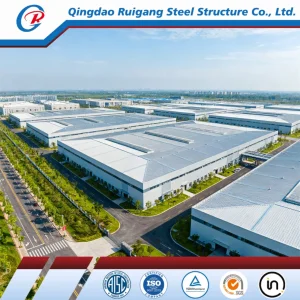
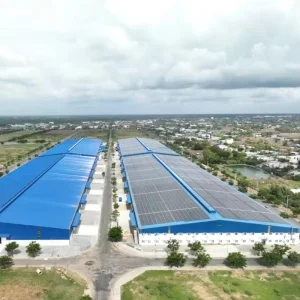
A completed steel structure warehouse is a structure made of steel components that has been fully constructed and is ready for use. These warehouses are typically used for a variety of industrial and commercial purposes including storage, manufacturing, retail, and more. They are often constructed from pre-manufactured steel components that are bolted together on-site, but can also be customized to suit specific needs. Steel structure warehouses are strong, durable, and cost-effective, making them an ideal choice for many businesses.
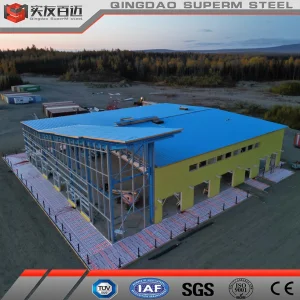
Prefab steel structure workshop buildings are used for industrial production in which all steel structures are painted and then delivered to the project site for installation. And because the steel structure can be manufactured in the factory and installed on-site, the construction time is significantly reduced. Due to the steel it can dramatically reduce construction waste and is more environmentally friendly. Therefore, it widely used in industrial buildings and civil buildings.
Steel garage doors are made of heavy-duty, real-gauge steel, which is hot-dip galvanized in zinc to protect against rust. Steel garage doors can have multiple layers that each add strength. The layers often include insulation, cladding, steel and a composite overlay. The composite overlay will determine the look of your door.
The prefabricated house is a kind of environmentally friendly and economical prefabricated house with color steel plate as the skeleton, sandwich panel as the enclosure material, standard module series for space combination, and bolted components for the new concept. It can be assembled and disassembled easily and quickly, realizing the general standardization of temporary buildings, establishing the concept of environmental protection, energy saving, fast and efficient construction, and making temporary houses enter the field of integrated production, supporting supply, and inventory.
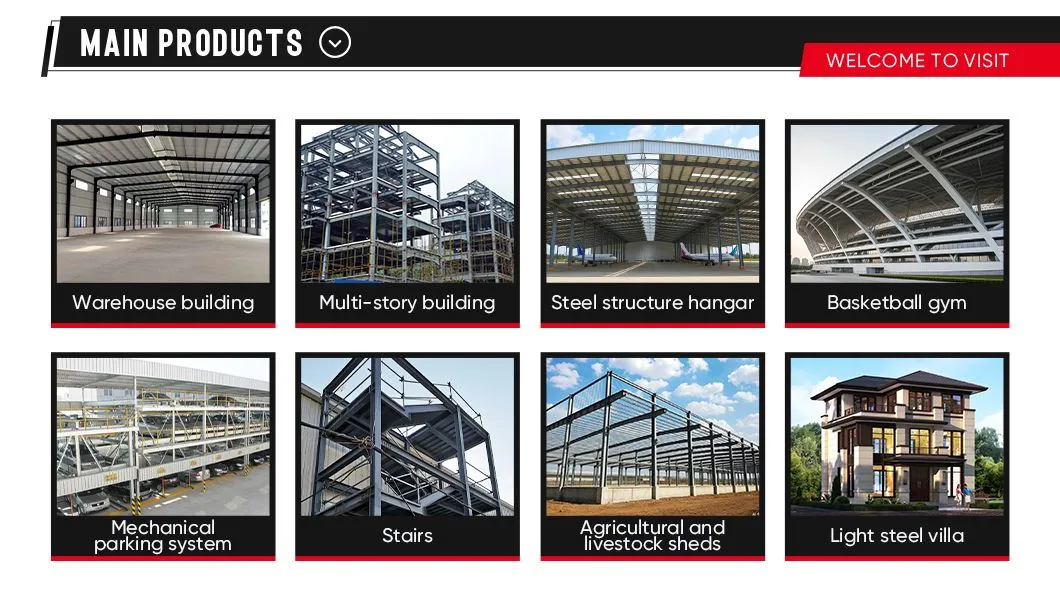
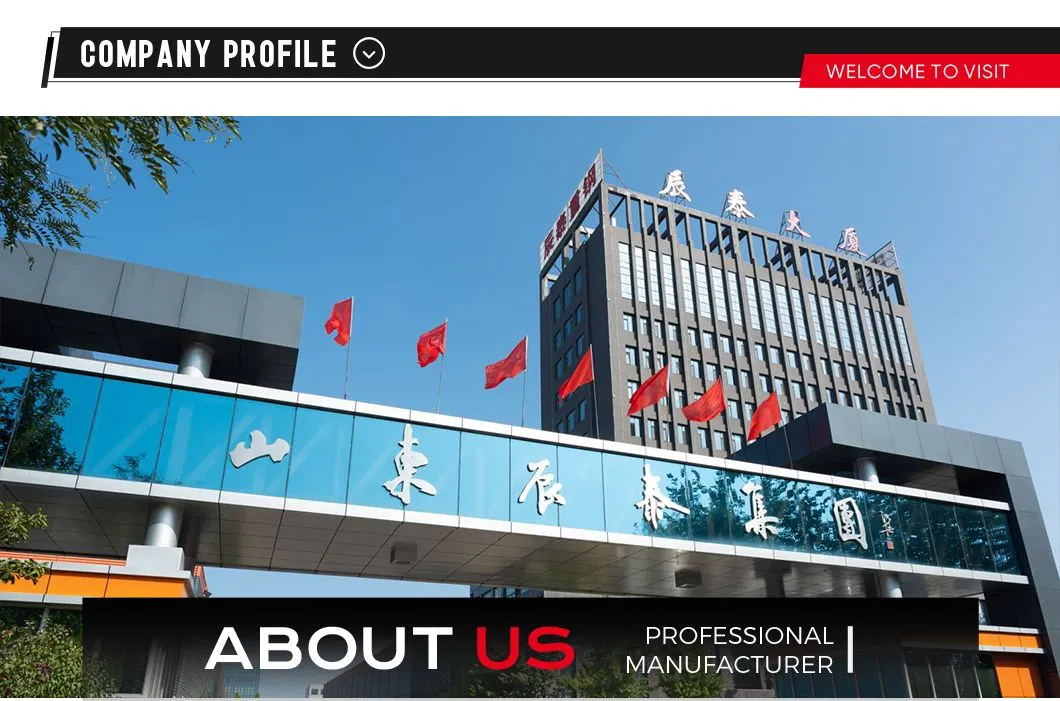
We specialize in the design, manufacturing, and installation of industrial and civil buildings such as steel structure factories, warehouses, high-rise steel structure buildings, office buildings, exhibition halls, sports halls, parking garages, prefabricated houses, and agricultural projects. We are committed to providing customers with innovative solutions that meet and exceed expectations.
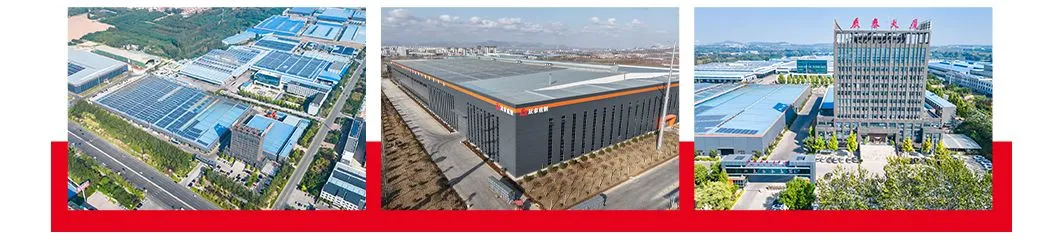
Our primary output covers hidden roof panels, rock wool purification boards, truss floor bearing plates, steel structures, rock wool composite boards, rock wool sandwich composite boards, composite boards, polyurethane sandwich composite boards, polyurethane rock wool boards, purification boards, and related components.
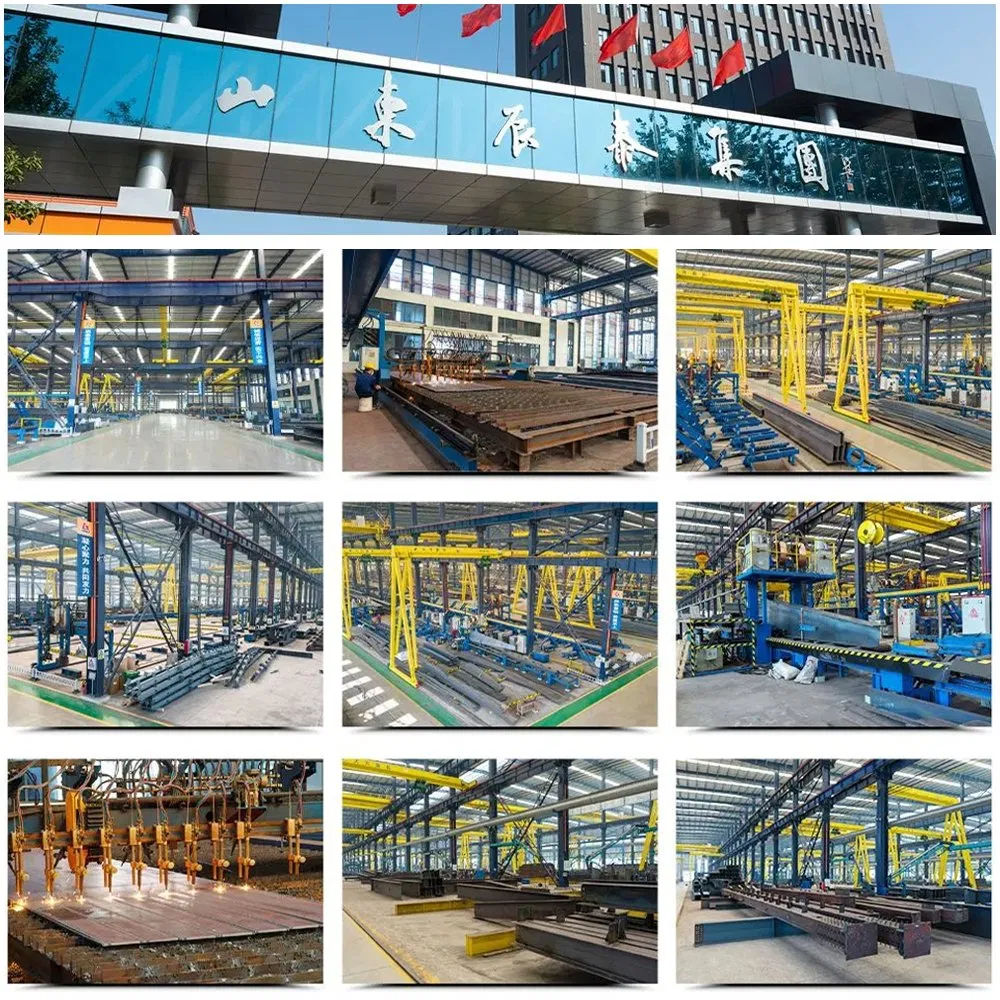
Our processing facilities feature complete fabrication equipment, including automatic submerged arc welding machines, CO2 gas shielded welding machines, large-scale shot blasting machines, plasma cutting machines, and descaling, leveling, and calibrating systems. This enables an integrated one-stop pipeline for discharging, assembling, welding, straightening, shot blasting, painting, and inspection.
We also house a high-level steel structure design and development team. Our engineering professionals are fully equipped to design and optimize detailed drawings for various industrial plants and civil buildings, ensuring structurally sound and highly efficient installations globally.
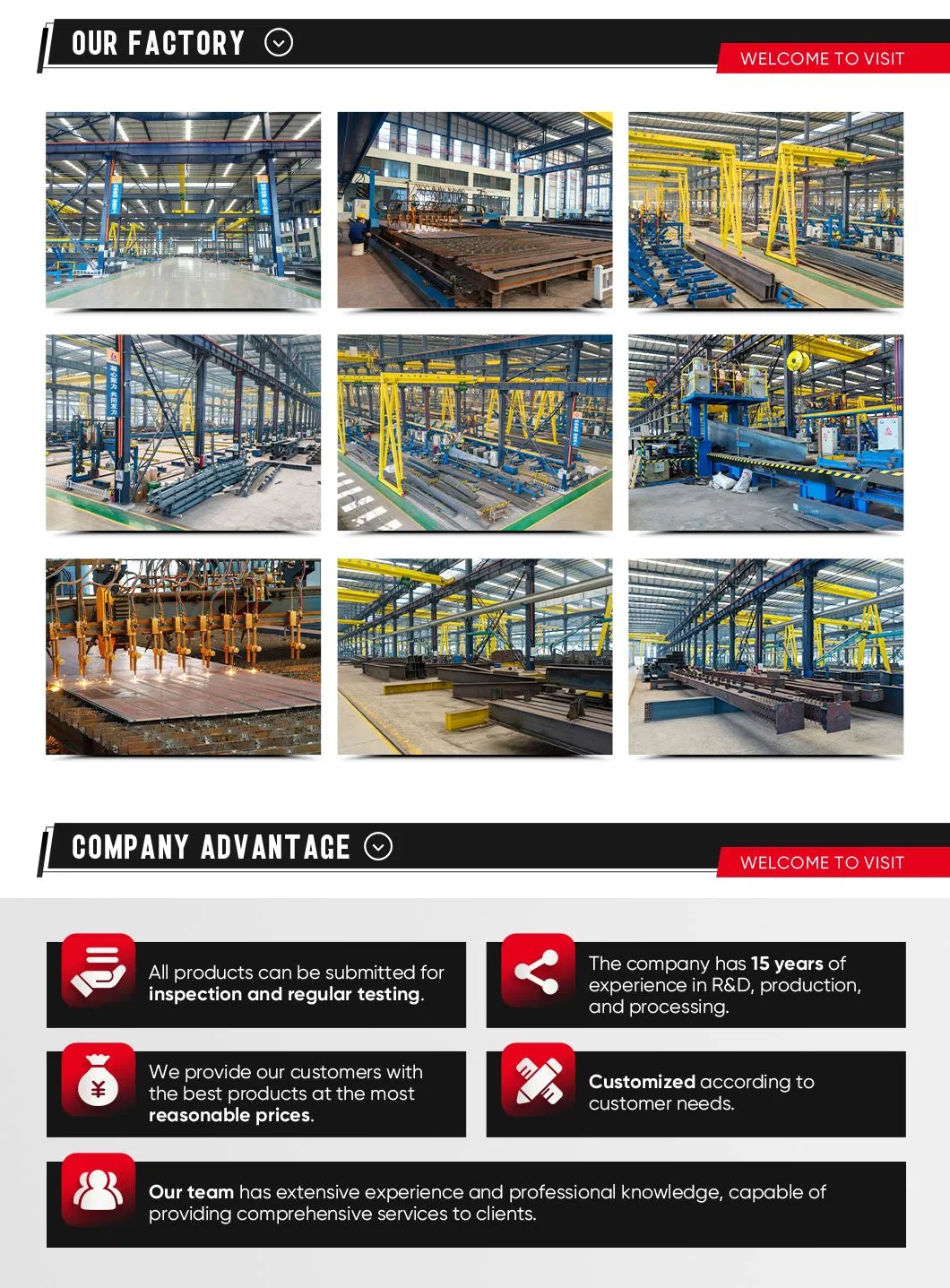
In the construction process, personnel occupy the core position. It is crucial to conduct specialized management, enhance pre-service education, and organize professional training. This improves overall quality control, aligns construction workflows with rigorous safety standards, and ensures correct adherence to engineering regulations.
By perfecting construction mechanisms, overall engineering quality is secured. This includes establishing quality management protocols suited to different construction links. Supervision plays a massive role in discouraging non-standard methods, reducing safety risks, and maintaining structural integrity across columns, beams, and main support frames.
Material quality directly affects building durability. Comprehensive consideration of construction needs, combined with choosing cost-effective, high-quality materials from verified suppliers, minimizes waste while establishing a solid foundation for sequential assembly.
All structural parts must undergo rigorous verification by site representatives and quality inspectors upon arrival. Ensuring compliance to specifications prior to lifting prevent delays and maintains standard-approved workflows.
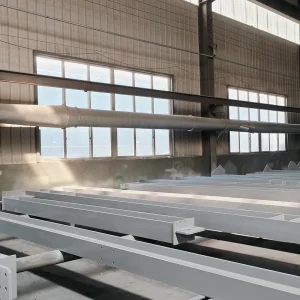
(1) Fabrication: Structural fabrication involves numbering, cutting, and calibration. The anti-slip coefficient of friction surfaces after high-strength bolt treatment must strictly meet designs. Rust removal and protective painting are applied after quality checks, leaving weld margins unpainted temporarily for connection requirements.
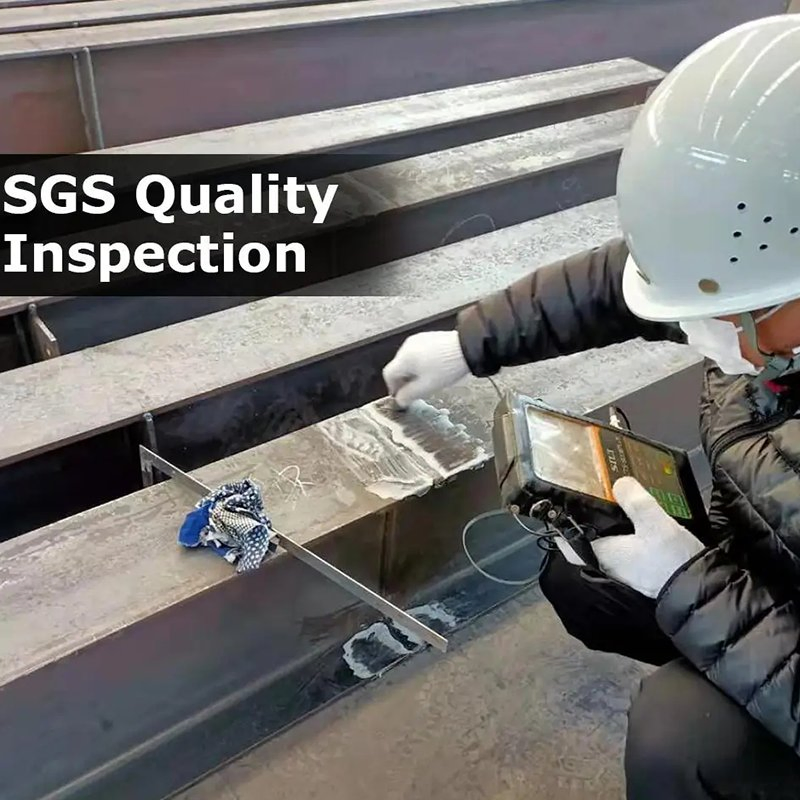
(2) Welding: Operators must hold current competency certifications matching the specific project scope. Welding material and base metals must align properly. Primary and secondary structural welds must undergo ultrasonic inspection for internal defect detection; radiation testing is applied where ultrasonic results require secondary verification.
(3) Transportation: Vehicles should be selected based on the total dimensions and weight of the steel components. Tying methods and support pivots must prevent structural deformation or surface coating damage during transit.
(4) Installation: Procedures must ensure structural stability at every step, avoiding permanent deformation. Columns should align directly from ground-level control axes. Once columns, beams, and roof structures are placed, they must be immediately calibrated and securely fixed.
(5) Fire Protection & Rust Prevention: Steel strength can drop significantly at elevated temperatures (e.g. 550°C), requiring appropriate fire protective coatings. Exposed structures are also prone to atmospheric corrosion and rust, requiring proper paint, primer, or curing agents based on environmental conditions and life cycle targets.