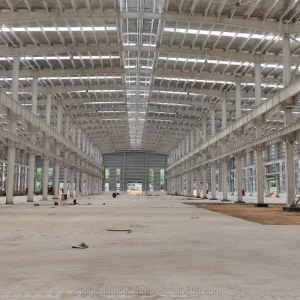
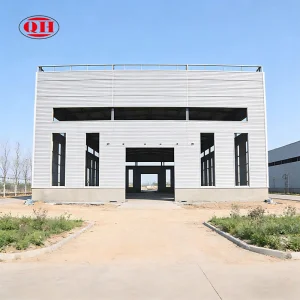
As a global leader in high-performance industrial construction, Dongguan Metro Build Co., Ltd. specializes in the manufacturing, custom design, and exporting of energy-efficient storage facilities. By combining advanced pre-engineered structural steel framing with high-density thermal envelope systems, we enable modern enterprises to cut operating costs, satisfy stringent ESG metrics, and secure long-term physical durability.
Traditional warehouses suffer from massive thermal energy losses, high maintenance requirements, and excessive construction times. Our solutions leverage modern prefabricated engineering methods that optimize airflow, structural load distributions, and thermal resistance values (R-value). Our structures accommodate automated inventory setups, modern cold chains, and large-scale industrial distribution projects.
Explore our primary portfolio of prefabricated steel buildings, high-performance workshops, and temperature-controlled facilities engineered for global compliance.
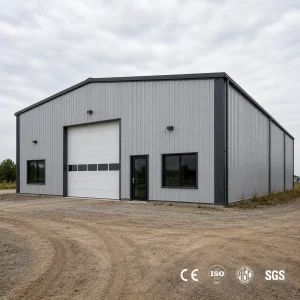
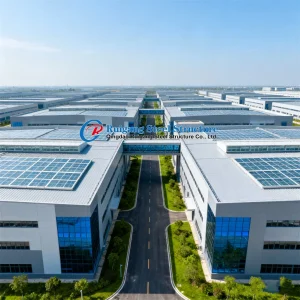
Discover how Dongguan Metro Build Co., Ltd. capitalizes on strategic resources to optimize logistics, material costs, and manufacturing precision.
Dongguan Metro Build Co., Ltd. operates state-of-the-art production facilities situated in the industrial manufacturing heart of the Pearl River Delta. By maintaining end-to-end control of procurement, high-precision machining, structural testing, and flat-pack distribution networks, we provide a unified supply pipeline that guarantees both consistency and cost efficiency.
We source primary structural components from Tier-1 state mills, utilizing structural grades Q355B and Q235B with verified certificates. Through bulk steel indexing, we insulate our customers from global raw material price swings, offering stable costing even on large, multi-span developments.
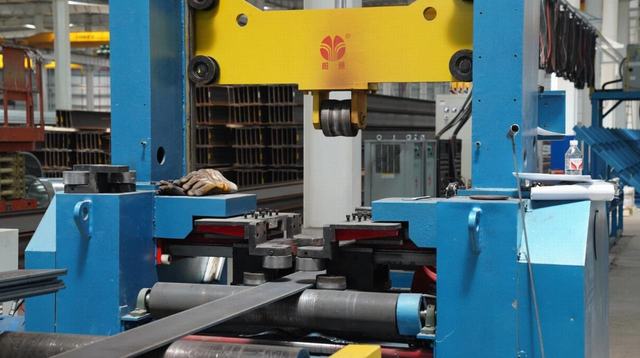
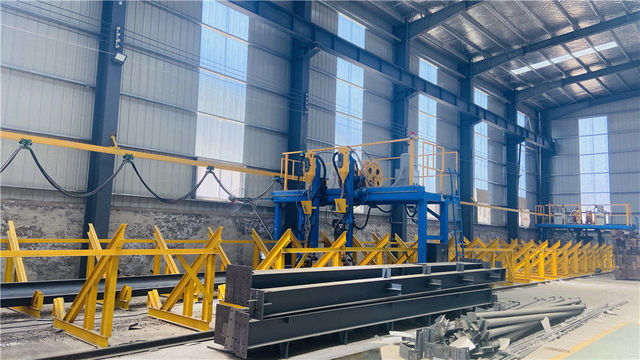
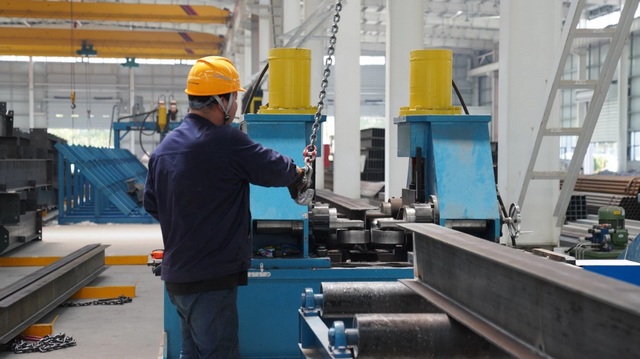
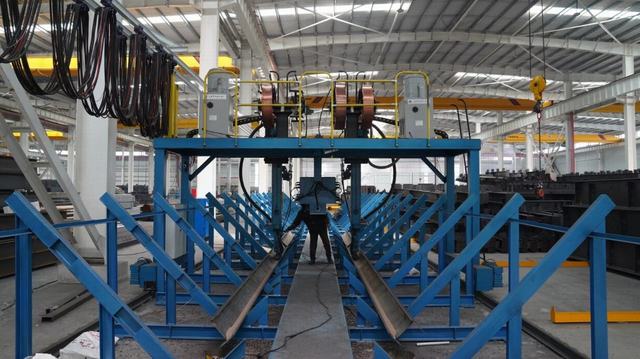
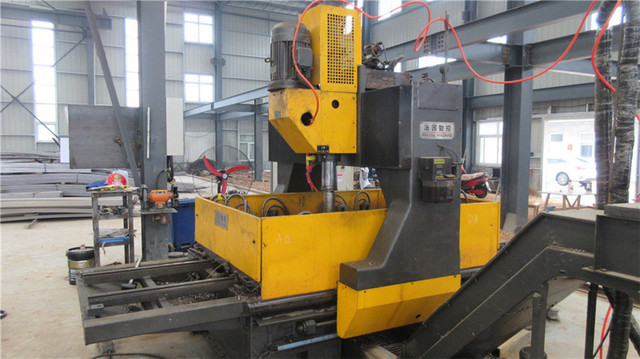
Our workshops employ computerized numerical control (CNC) flame cutting machines, subarc welding rigs, and advanced multi-spindle drilling platforms. Tolerances are held to microscopic standards, preventing installation mismatch and maximizing onsite construction efficiency.
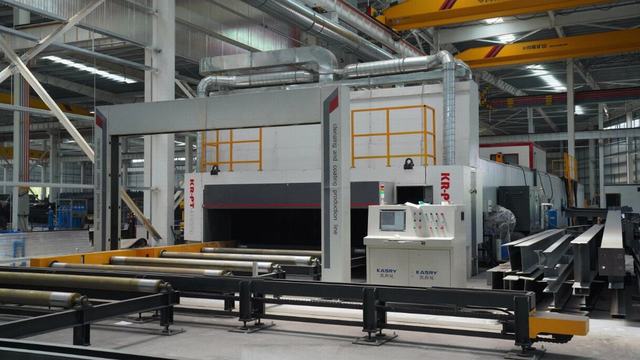
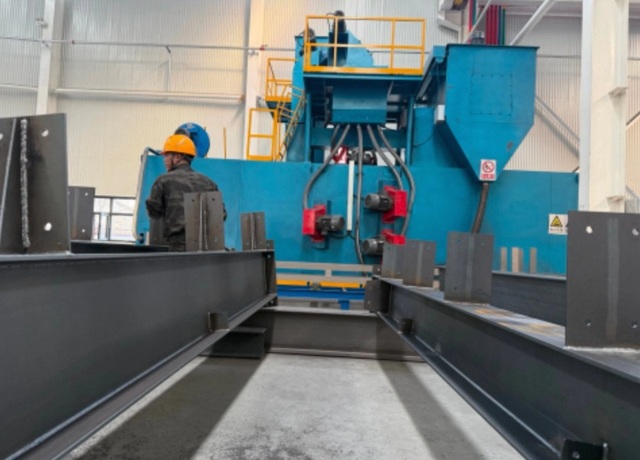
All structural elements undergo automatic shot blasting to Sa 2.5 grade cleanliness before finishing. We offer hot-dip galvanization (minimum coating mass 600g/m²) or multi-layered epoxy primers and polyurethane finishes to prevent corrosion in marine or industrial atmospheres.
Strategic Lead-Time Management: Through modular prefabrication techniques, over 85% of cutting, welding, drilling, and finishing steps are completed in our factory. This approach minimizes site installation durations by 40-60%, reducing local labor costs, assembly variables, and environmental footprints.
Tailored structural designs engineered to satisfy regional safety criteria, wind pressures, and thermal targets worldwide.
Building safety demands localized engineering. Metro Build's engineering team adapts structural blueprints to match the regulatory and geographical demands of each target country, ensuring seamless permitting and structural safety certification.
Our structures are developed to perform safely under challenging weather conditions:
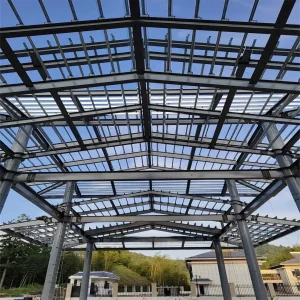
Engineered structural frames using robust moment connections capable of withstanding category 5 cyclone forces (exceeding wind velocities of 250 km/h).
Applying ductile frame designs, diagonal steel bracing, and robust anchor systems designed to handle seismic accelerations up to Grade 8 (Seismic Zone 4).
Customized pitched roofs and reinforced secondary purlins engineered for sub-arctic climates to prevent roof collapse during heavy accumulation.
Aligning warehouse investments with global corporate sustainability metrics, life-cycle savings, and smart automation systems.
By specifying custom high-density insulation profiles, our structures lower heating, ventilation, and air conditioning (HVAC) operating costs by up to 35% compared to traditional masonry. Reduced thermal bridging ensures consistent indoor environments, limiting utility consumption and yielding a quick capital return.
Modern steel is 100% recyclable. By designing structures that accept rooftop solar photovoltaic (PV) arrays, we help developers target LEED (Leadership in Energy and Environmental Design) or BREEAM environmental ratings, boosting corporate sustainability valuations.
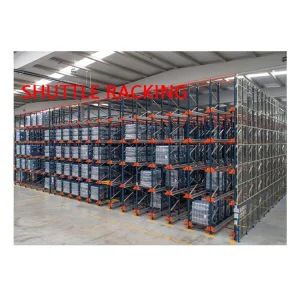
Our designs feature large clear-spans and elevated vertical clearances to fit automated storage and retrieval systems (AS/RS), heavy shuttle racks, and robotic guided vehicles. This seamless integration optimizes warehouse density and operational efficiency.
How technological advancements in building materials and structural design are transforming global warehousing.
The global logistics landscape is undergoing structural changes driven by e-commerce demands and carbon reduction mandates. Storage structures are no longer simple shelters; they are functional thermal envelopes designed to preserve energy.
Phase Change Materials & Thermal Mass: Modern developments integrate smart materials that absorb excess heat during hot daylight hours and release it during cooler nights, stabilizing internal temperatures without mechanical HVAC use.
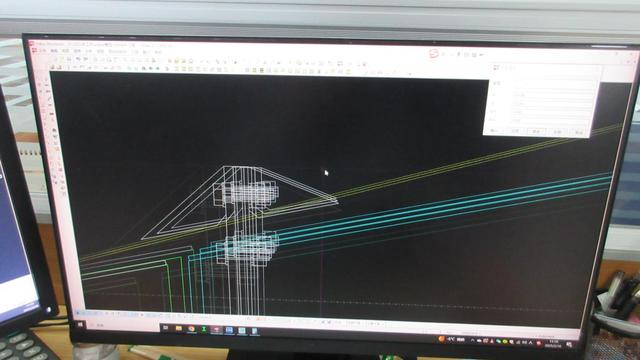
Digital Twins and Smart Design: Utilizing Building Information Modeling (BIM), Metro Build simulates thermal loading and structural performance prior to production. This virtual modeling eliminates onsite errors and guarantees tight structural tolerances.
| Insulation Type | R-Value (per inch) | Fire Rating | Best Application |
|---|---|---|---|
| PIR Sandwich Panel | 7.2 - 8.0 | Class B-s1, d0 | Cold Storage & Food Logistics |
| Rockwool Panel | 3.8 - 4.2 | Class A (Non-combustible) | Industrial Workshops & Hazard Areas |
| EPS Sandwich Panel | 3.6 - 4.0 | Class B2 | Standard Storage & Poultry Farms |
Custom solutions designed for distinct climate challenges, logistics speeds, and storage requirements.
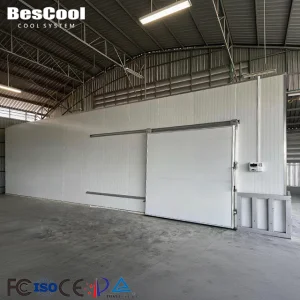
Tailored for tropical zones (Southeast Asia, Latin America, Middle East) experiencing high humidity. Utilizing 150mm–200mm high-density polyurethane insulation panels, cam-lock airtight joints, and pressure relief valves, these cold rooms preserve deep-freeze conditions while lowering chiller cycle runtimes.
For high-load applications like metalworking, assembly plants, or paper processing. We feature integrated overhead crane gantries (up to 30-ton capacity), engineered air flow channels, high-durability roofing, and acoustically insulated composite walls.
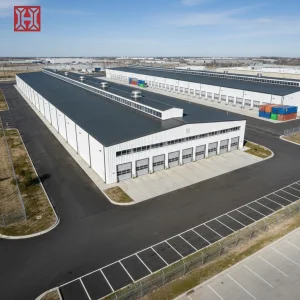
Engineered for high-volume commercial storage and quick sorting. Our designs use wide-span portal framing (with clear spans exceeding 60 meters) to allow columns-free workspace layouts, facilitating efficient forklifts, conveyor, and shuttle system routes.
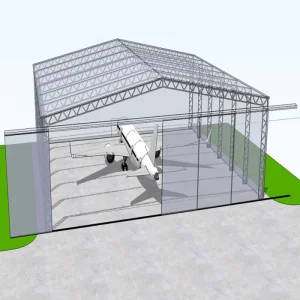
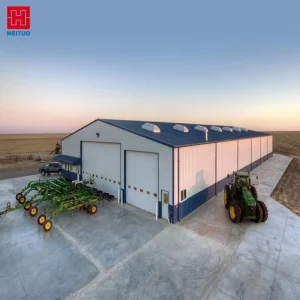
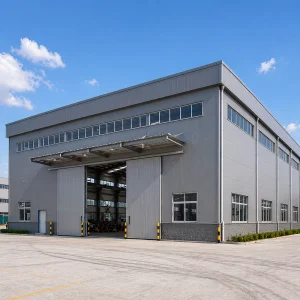
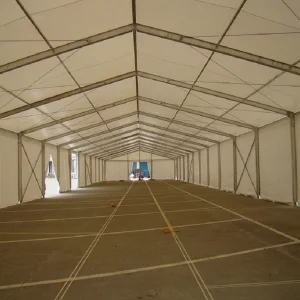
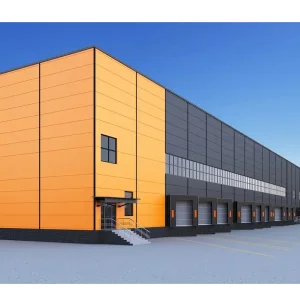
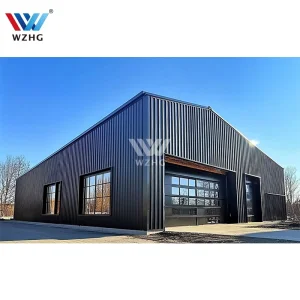
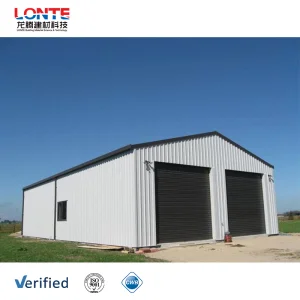
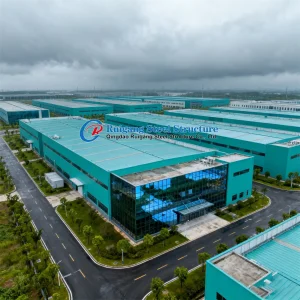
Our comprehensive portfolio includes structural hangars, agricultural buildings, and specialized modular storage installations.
Technical clarifications on performance parameters, materials, logistics, and engineering processes.
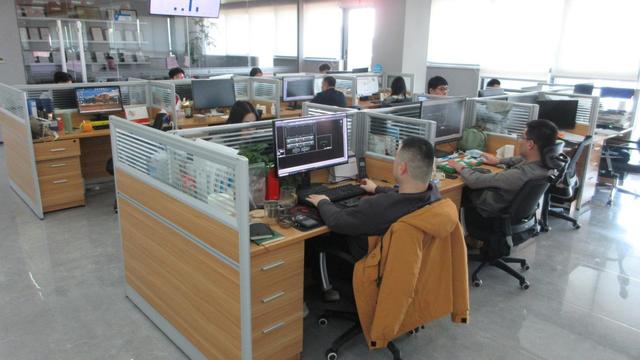
A look inside Dongguan Metro Build Co., Ltd.'s processing yards, testing stations, and logistics hubs.
 Metro Build