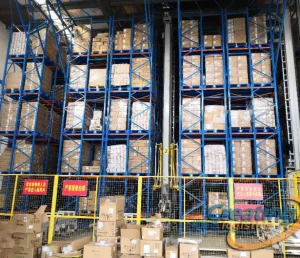
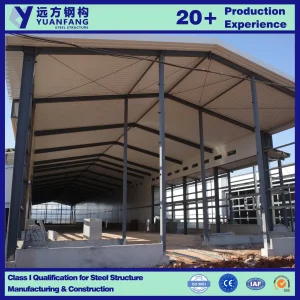
Select, high-performance structural configurations engineered to optimize vertical density and comply with Japan’s strict metropolitan building codes.
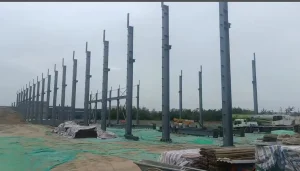
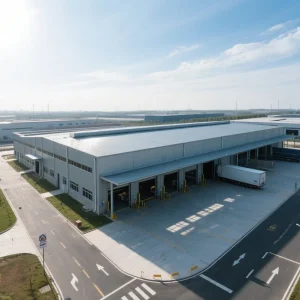
Adapting to extreme land limits, high density, and the "2024 Logistics Problem" in the world's most populous metropolitan area.
Tokyo is the economic heart of Japan, hosting one of the densest industrial and retail markets globally. Industrial zoning along Tokyo Bay, Yokohama, Kawasaki, and the inland Kanto plain faces a severe supply-demand gap for warehousing space. Real estate values are at historic highs, driving logistics operators away from traditional single-story facilities toward multi-tier and high-bay vertical warehouses.
Concurrently, the Japanese logistics industry faces the critical "Logistics 2024 Problem" (reflecting new caps on truck drivers' overtime hours). To prevent disruptions, businesses are migrating to highly automated micro-fulfillment hubs and massive automated storage and retrieval systems (AS/RS). High-precision prefabricated steel structures act as the essential backbone for this structural shift, allowing heavy automated equipment, cranes, and robotic systems to function flawlessly in space-restricted environments.
JIS Code Compliance and Structural Dynamics for the Kanto Plain Seismic Zone.
Japan is prone to tectonic movements, requiring structural engineering that complies with the Building Standards Act (Kenchiku Kijun-hō). Automated high-bay warehouses—often reaching heights between 20m and 45m—act as heavy cantilevers under lateral loads. Our structural designs integrate advanced dynamic analysis modeling (Response Spectrum Analysis) to calculate exact acceleration profiles at every tier.
To assure Japanese regulatory approval, structural members must adhere to Japanese Industrial Standards (JIS). The selection of steel is critical; we use high-ductility structural steels (such as SN400 and SN490) designed to absorb seismic energy without sudden brittle failure. Welded connections undergo ultrasonic testing (UT) to guarantee load path continuity under cyclic stress.
Viscous damper systems integrated within the steel frame to attenuate wind and seismic oscillations.
Combining moment-resisting steel frames with rigid perimeter braced cores to optimize torsional rigidity.
Engineered foundation interfaces that decouple the high-bay racking systems from high-frequency floor accelerations.
| Design Parameters | Standard Prefab Steel Warehouse | Tokyo High-Bay AS/RS Steel Structure | Regulatory & Engineering Mandate |
|---|---|---|---|
| Height Limits | 10m to 15m (1-3 levels) | 20m to 45m (Vertical utilization) | Requires dynamic wind/seismic simulation |
| Horizontal Tolerance | ±15mm to ±25mm | ±1.5mm to ±3mm (High Precision) | Prevents robotic crane derailment and jam risks |
| Seismic Coefficient | Standard base shear coefficient (Co=0.2) | Enhanced coefficient (Co=0.3 to 0.4) | Kenchiku Kijun-hō / Japanese Building Law |
| Joint Engineering | Standard high-strength bolt connections | High-tension friction joints (JIS F10T) | Pre-tensioned bolts with certified slip coefficient |
| Foundation Demands | Shallow pad or strip foundations | Deep cast-in-place concrete piles & slab | Resists high overturning moments and pull-out forces |
As a leading Chinese prefabricated warehouse manufacturer, Dongguan Metro Build Co., Ltd. leverages a highly optimized regional supply chain to provide Japanese contractors and developers with structurally sound, cost-effective steel frame systems. Our location in Guangdong Province places us close to high-capacity container ports in Shenzhen, Guangzhou, and Hong Kong, allowing for efficient ocean transit directly to Tokyo Port and Yokohama Port.
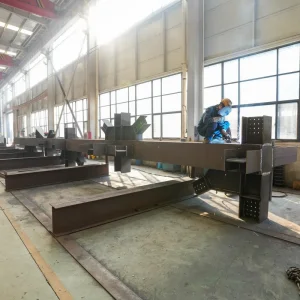
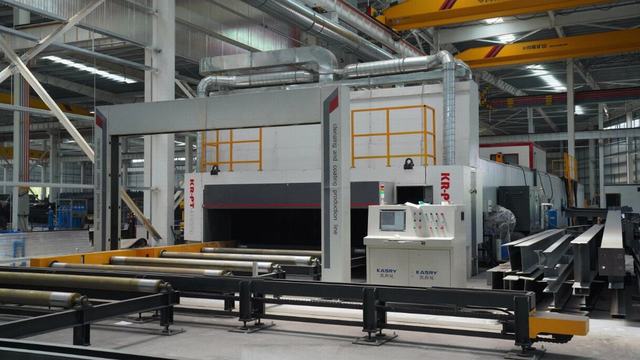
By shifting the fabrication process to our specialized, highly automated production lines, we reduce expensive, high-wage on-site assembly operations in Tokyo. Every column, truss, and bracket is prefabricated, pre-drilled, and certified in our quality-controlled environment before shipping, minimizing installation time on site.
Building in the Tokyo metropolitan area demands rapid timelines to limit site occupancy disruption and associated municipal costs. Our pre-engineered components lock together with structural precision.
Fabrication to shipping to Tokyo Port takes less than 35 days, aligning with tight project schedules.
Our engineering team coordinates with Japanese consultants to provide calculations and drawings compatible with domestic regulations.
Co-designing the steel frame structure alongside AGVs, AMRs, and Cold-Storage Insulated Panels.
Autonomously Guided Vehicles (AGVs) and Autonomous Mobile Robots (AMRs) require exceptionally flat structural concrete floors. Metro Build designs the base connection interfaces and column layouts to eliminate structural floor obstructions, maximizing clear flat areas and ensuring the tracking sensors on robotic machinery function without blind spots.
High-bay cranes traveling up to 240 meters per minute demand tight vertical alignment. Our structural fabrication uses custom jig assemblies to achieve rail support tolerances within ±1mm. This prevents operational issues for automated storage and retrieval systems operating under heavy load cycles.
Imported food logistics require cold storage warehouses. We design thermal bridge break systems and internal structural profiles specifically optimized for polyurethane/polyisocyanurate (PIR) insulated sandwich panel installation, preventing energy loss in temperature-controlled automated setups.
Engineered components designed for rapid installation, heavy load bearing, and compliance with the Tokyo metropolitan building standard act.
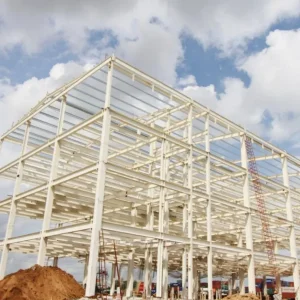
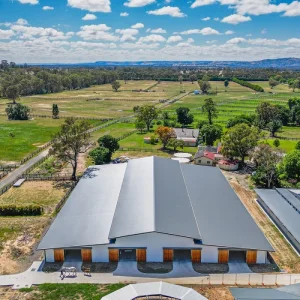
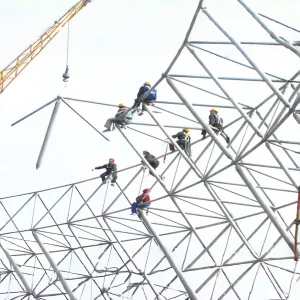
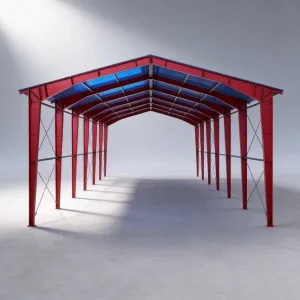
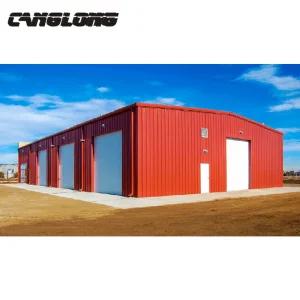
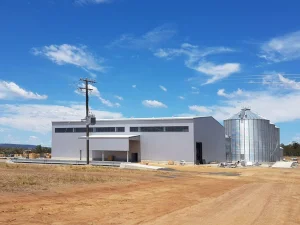
From structural calculation sheets (Kouzou Keisan-sho) to local clearance and on-site assembly.
Defining automation goals, mechanical loads, crane weight demands, ceiling clearance limits, and local zoning requirements.
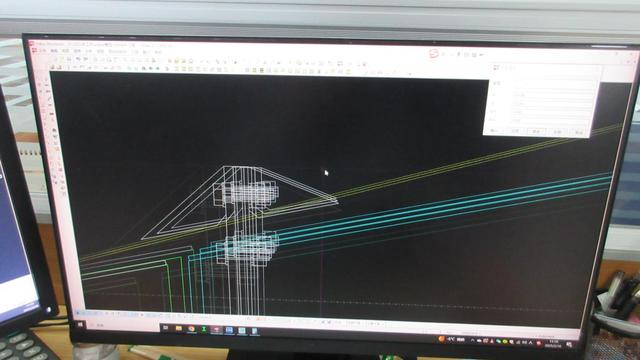
Our engineering team creates structural calculation documents (Kouzou Keisan-sho) to support local regulatory reviews.
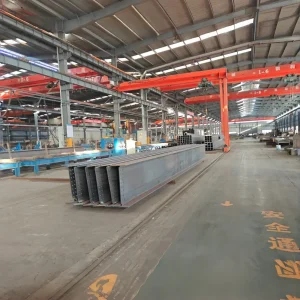
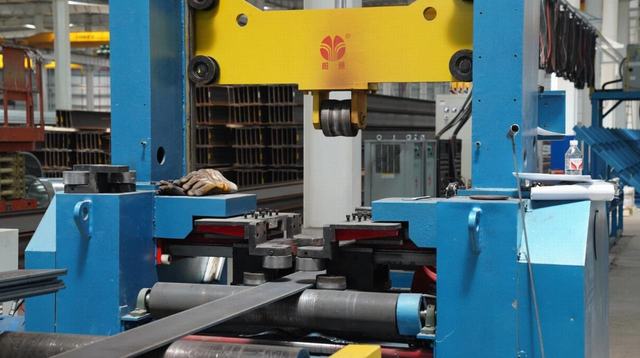
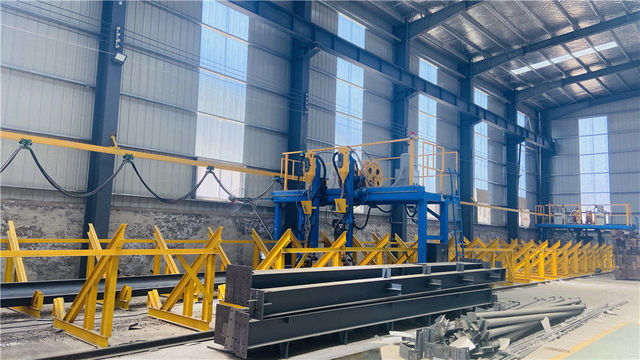
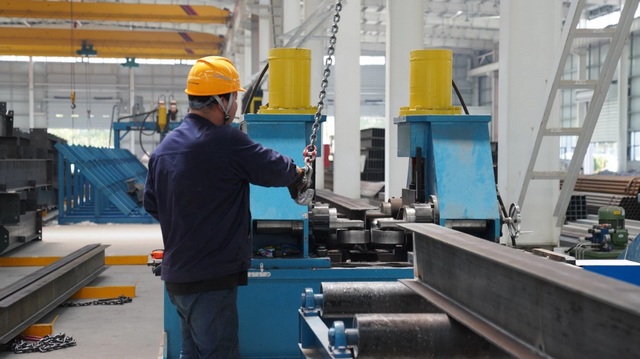
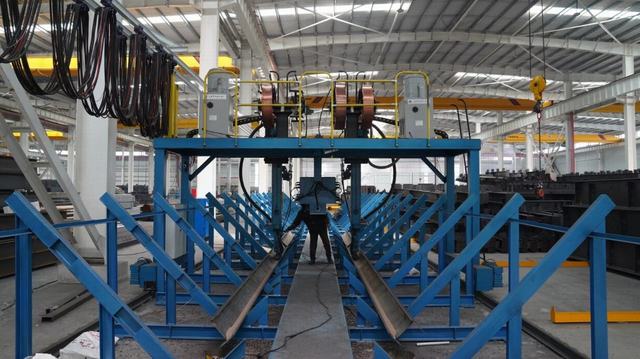
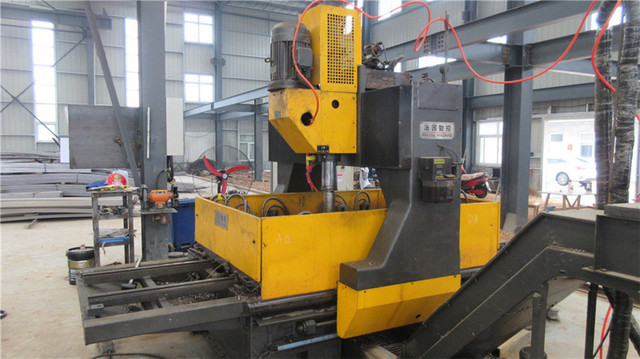
High-precision fabrication in our advanced Chinese facilities. High-resolution photos and quality check certificates are shared with the client team.
Coordinating shipping directly to Tokyo Port. We provide installation drawings and on-site alignment guidance to streamline assembly.
Technical and regulatory insights on importing and constructing automated steel structures in Japan.
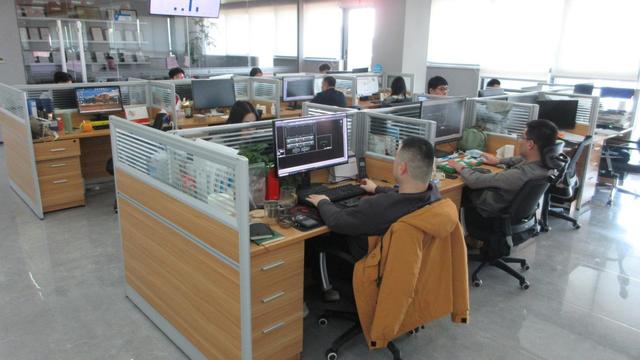
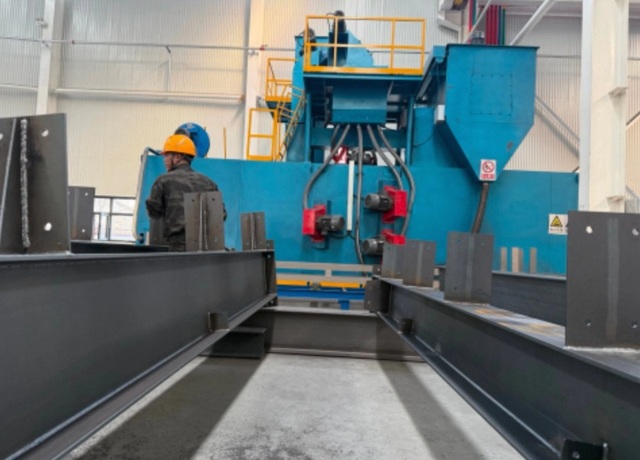
Inside Dongguan Metro Build Co., Ltd. - High precision fabrication and logistics operations.
Partner with Dongguan Metro Build for reliable structural engineering, cost-effective prefabrication, and timely export solutions.
 Metro Build