Key Advantages
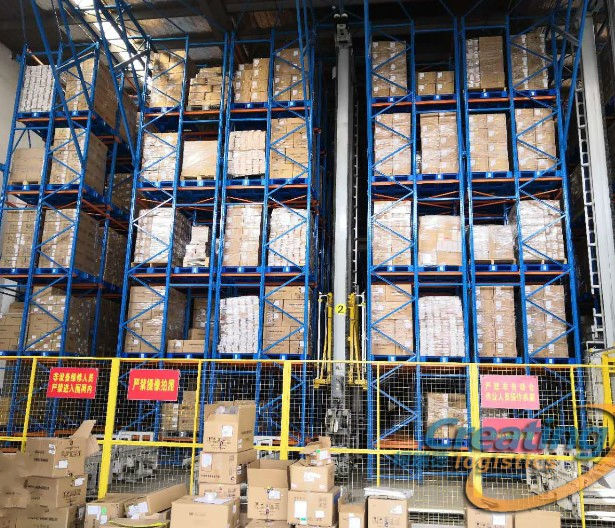
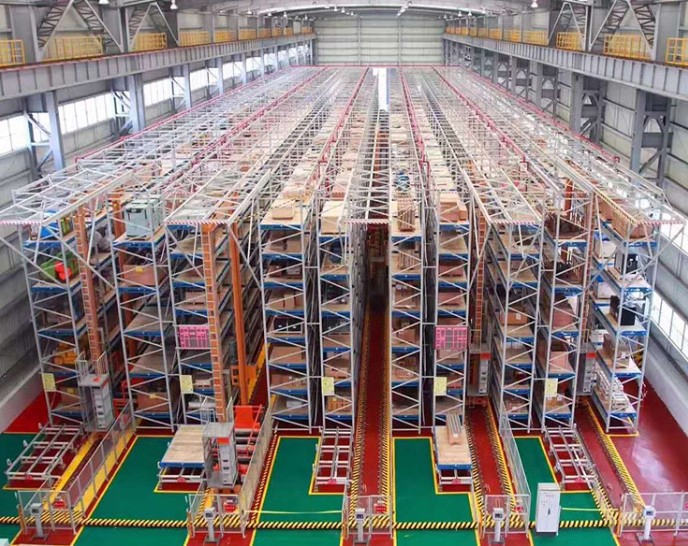
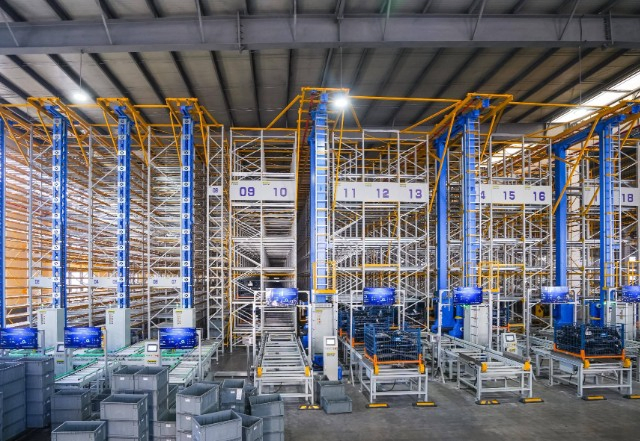
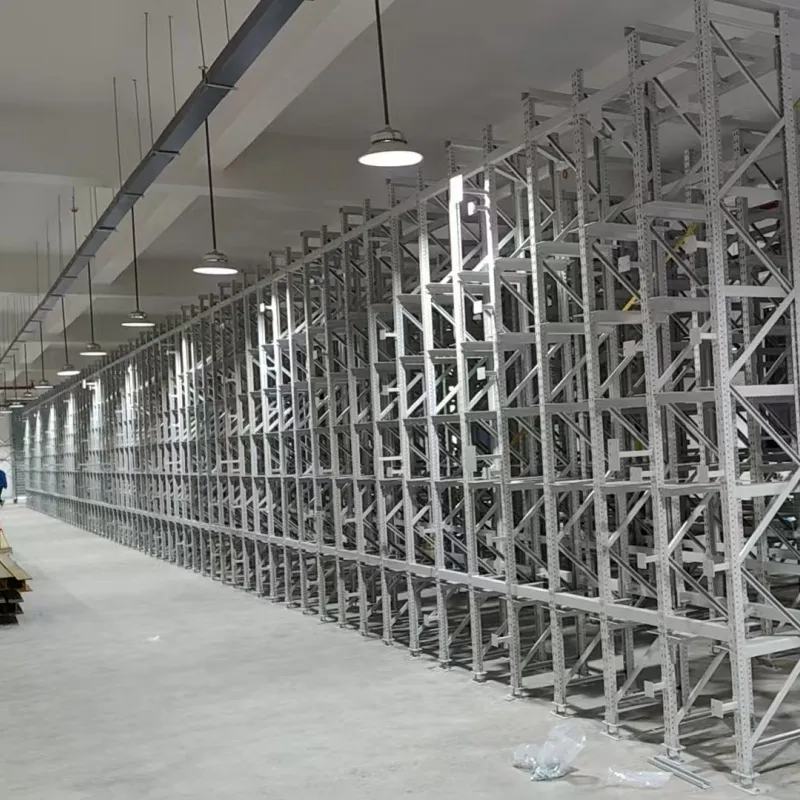
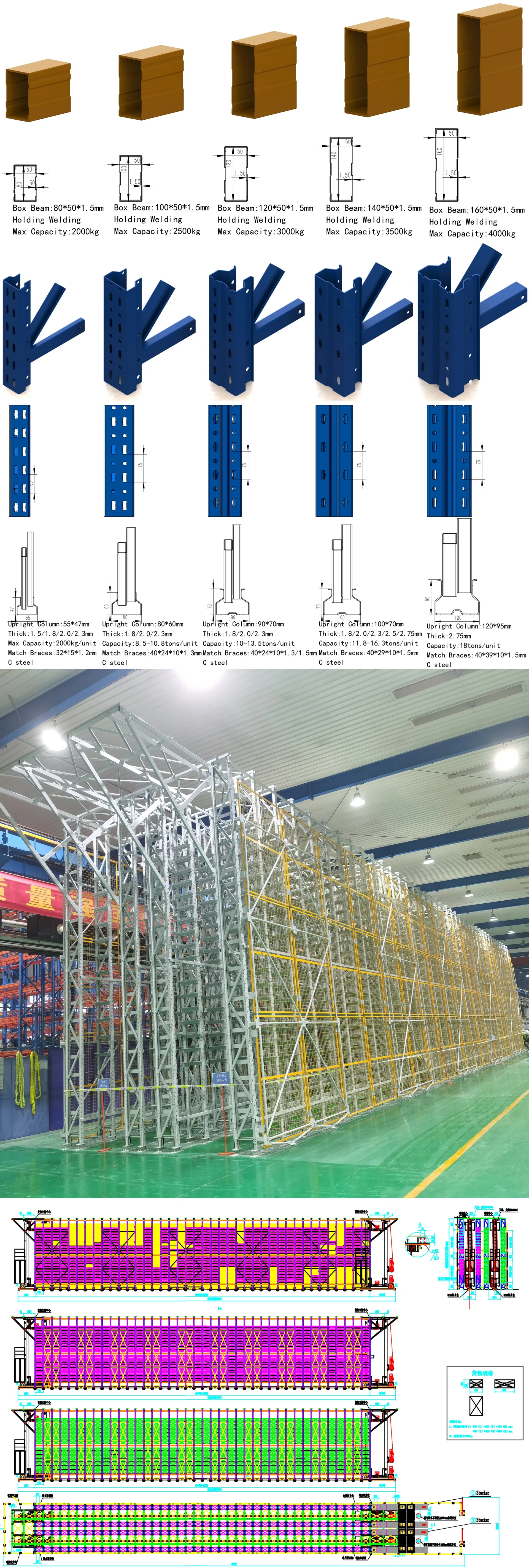
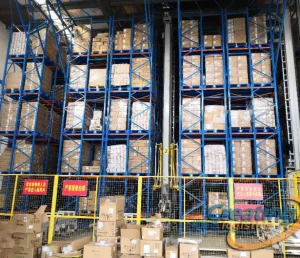
- High Space Utilization: Through vertical expansion, it can reduce the floor area by 30%-70%; the narrow-aisle or aisle-less design increases the storage density by 3-5 times compared with traditional warehouses.
- Labour Cost Savings: Reduces manual picking and handling work, lowering labor input and the risk of work-related injuries.
- High Accuracy and Throughput: The inventory accuracy can reach more than 99.99%; even during peak periods, it can maintain a stable operation cycle.
- Real-Time Inventory Management: The integrated WMS provides real-time inventory data, helping to better conduct demand forecasting and order fulfillment.
Typical Workflow
1
After inbound goods are scanned and measured, the WMS assigns a storage location.
2
Conveyors/AGVs deliver the goods to the SRM's pick-up station.
3
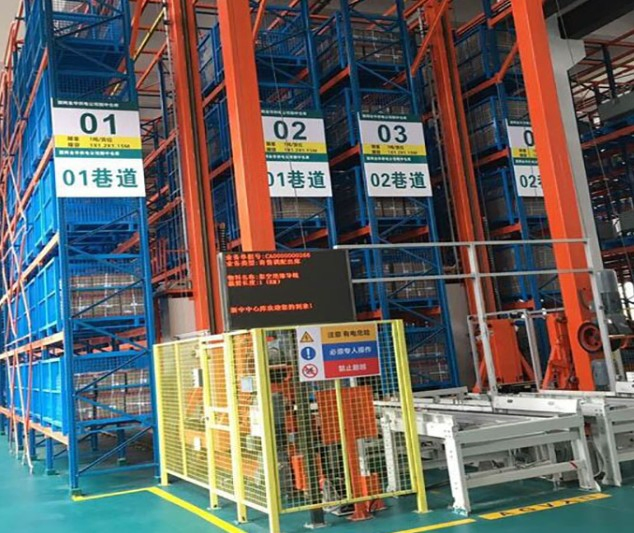
The SRM moves vertically and horizontally to the target rack position to complete the goods storage.
4
After an outbound order is issued, the WMS locates the goods position; the SRM retrieves the goods and sends them to the shipping area or sorting area via the outbound conveyor/AGV.
Considerations for Implementation
- High upfront investment and a long return on investment (ROI) period.
- Standardized packaging (pallets/totes) is required, and the goods flow needs to be stable.
- Integration with existing Enterprise Resource Planning (ERP)/WMS systems is required.
- Regular maintenance of mechanical and control components is required.
As a professional in the field of logistics equipment export, you may often encounter customer inquiries about configuring AS/RS systems according to their specific throughput/space constraints — customizing the system type (unit-type, mini-load type, shuttle-based type), rack height, SRM speed and WMS integration solution is the key to providing a cost-effective solution.
Frequently Asked Questions (FAQ)
Q1: What are the primary space advantages of using an AS/RS layout?
AS/RS systems utilize vertical warehouse capacity up to 20-40 meters, reducing the overall footprint by 30% to 70%. Its narrow-aisle configuration increases warehouse storage density by 3 to 5 times compared with traditional ground racking systems.
Q2: How does the Shuttle Car System differ from the Pallet AS/RS?
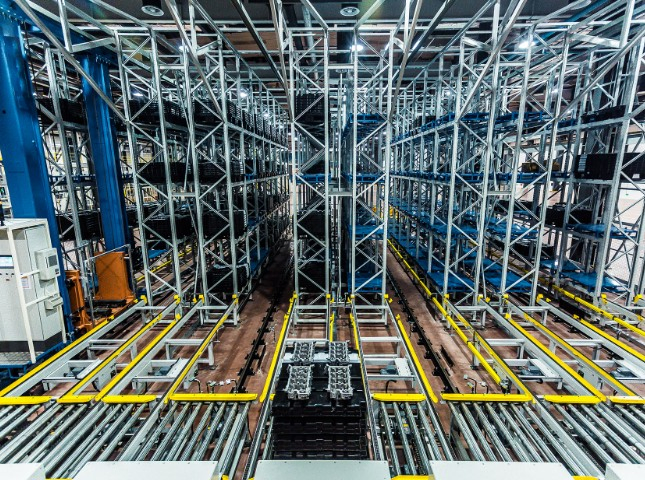
The Pallet AS/RS utilizes high-rise stacker cranes running on fixed lanes for heavy unit-loads (1-5 tons). The Shuttle Car System is optimized for high-density, low-SKU bulk goods and works exceptionally well in cold storage facilities where maximizing storage volume and cold containment is critical.
Q3: Are AS/RS installations compatible with low-temperature or hazardous chemical storage?
Yes. Special configurations are customizable, including low-temperature/corrosion-resistant materials for cold chain pharmaceutical storage (-25℃) and explosion-proof structures designed for hazardous chemical storage compliance.
Q4: What raw materials and manufacturing standards are utilized in these racking units?
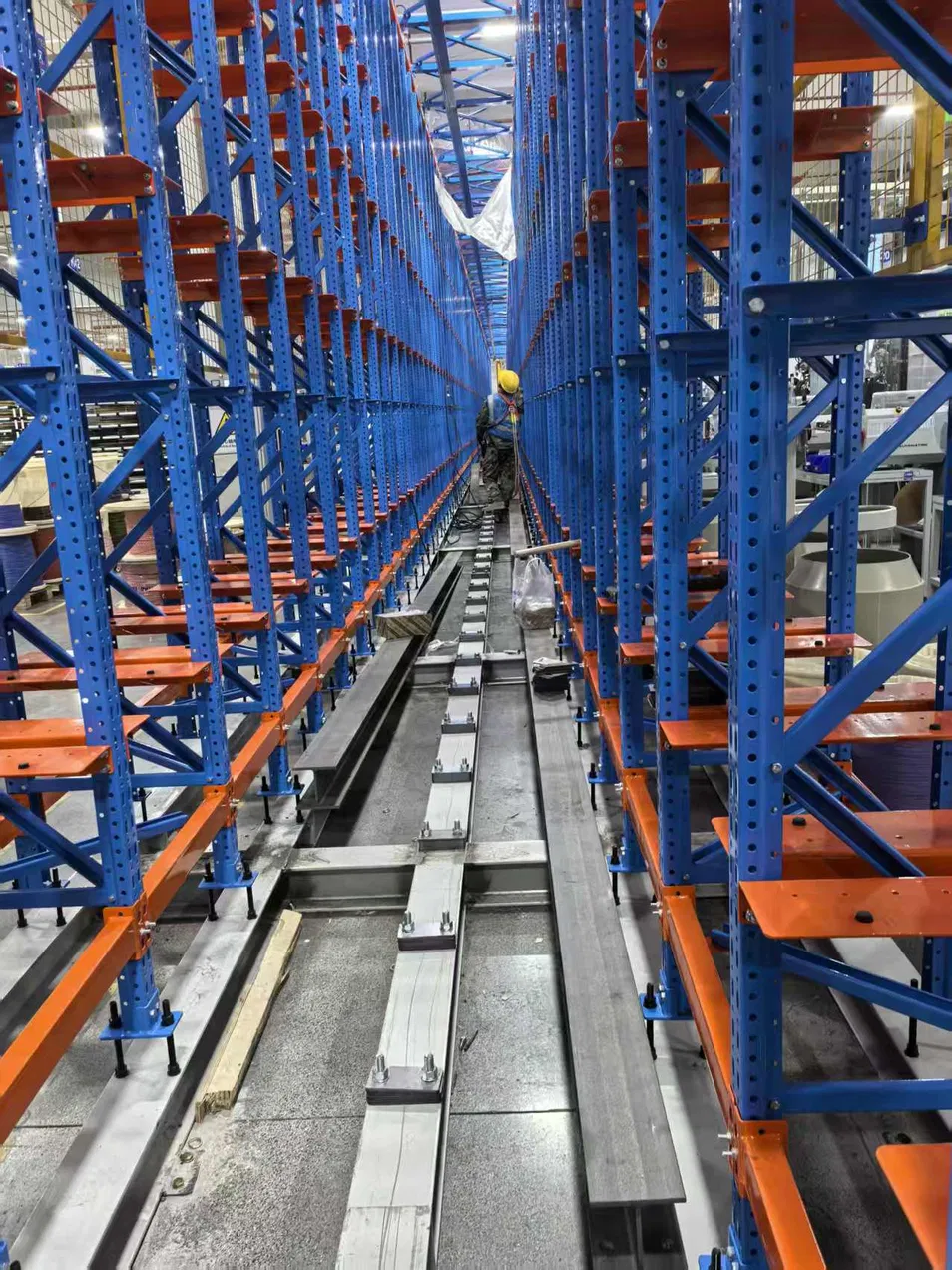
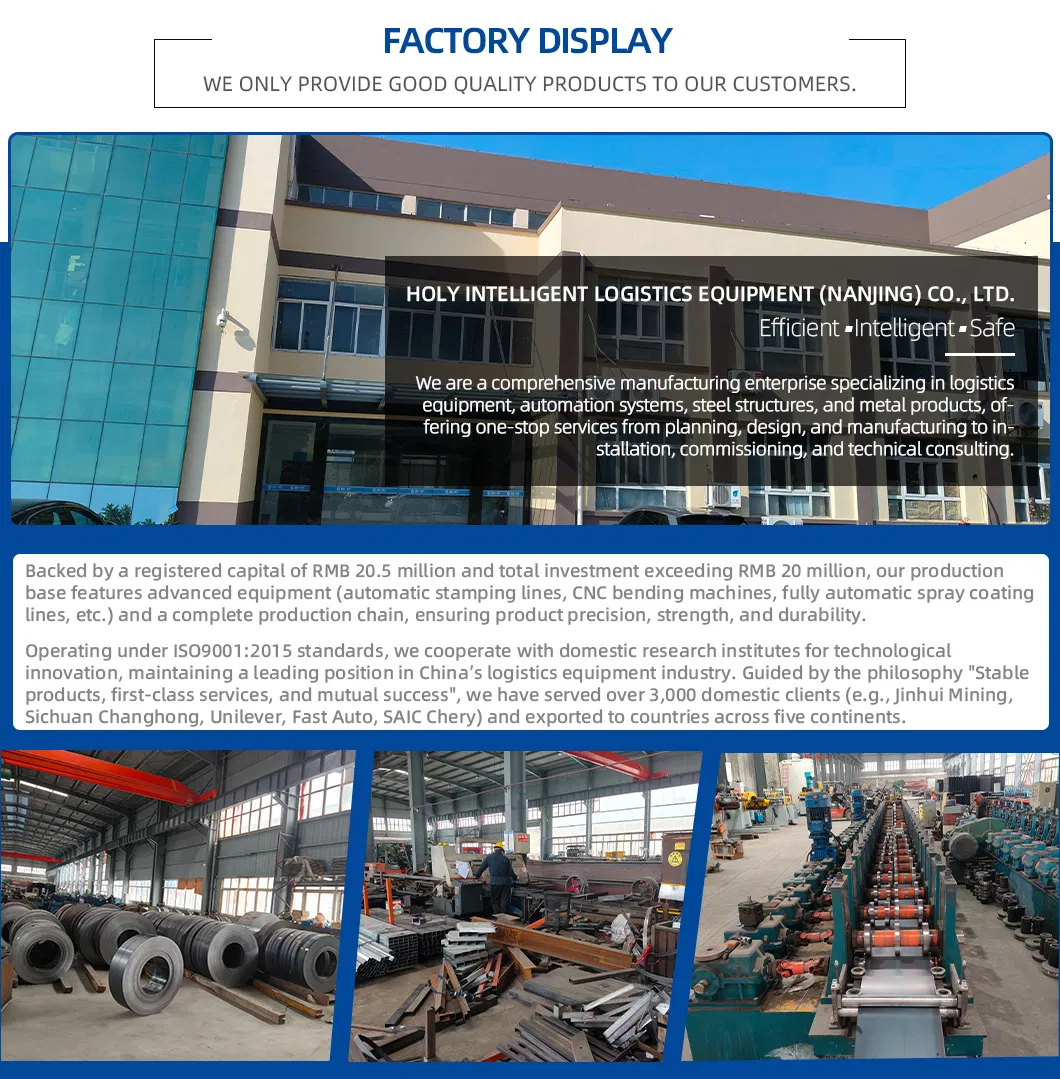
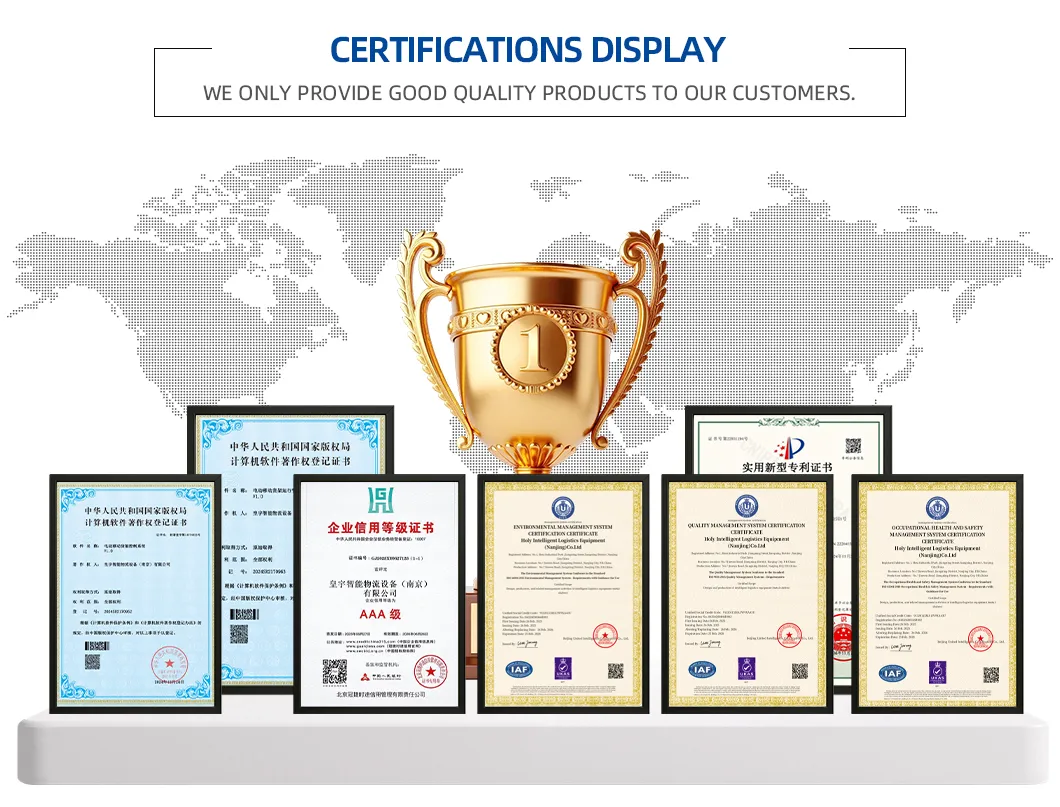
The system relies on premium high-quality Q235 and Q355 cold-rolled steel structures. Combined with automated stamping, CNC bending, and powder-coating treatments, the structures meet rigorous ISO standard inspection requirements with a 10-year durability target.
Q5: How are the steel rack units protected during international transport?
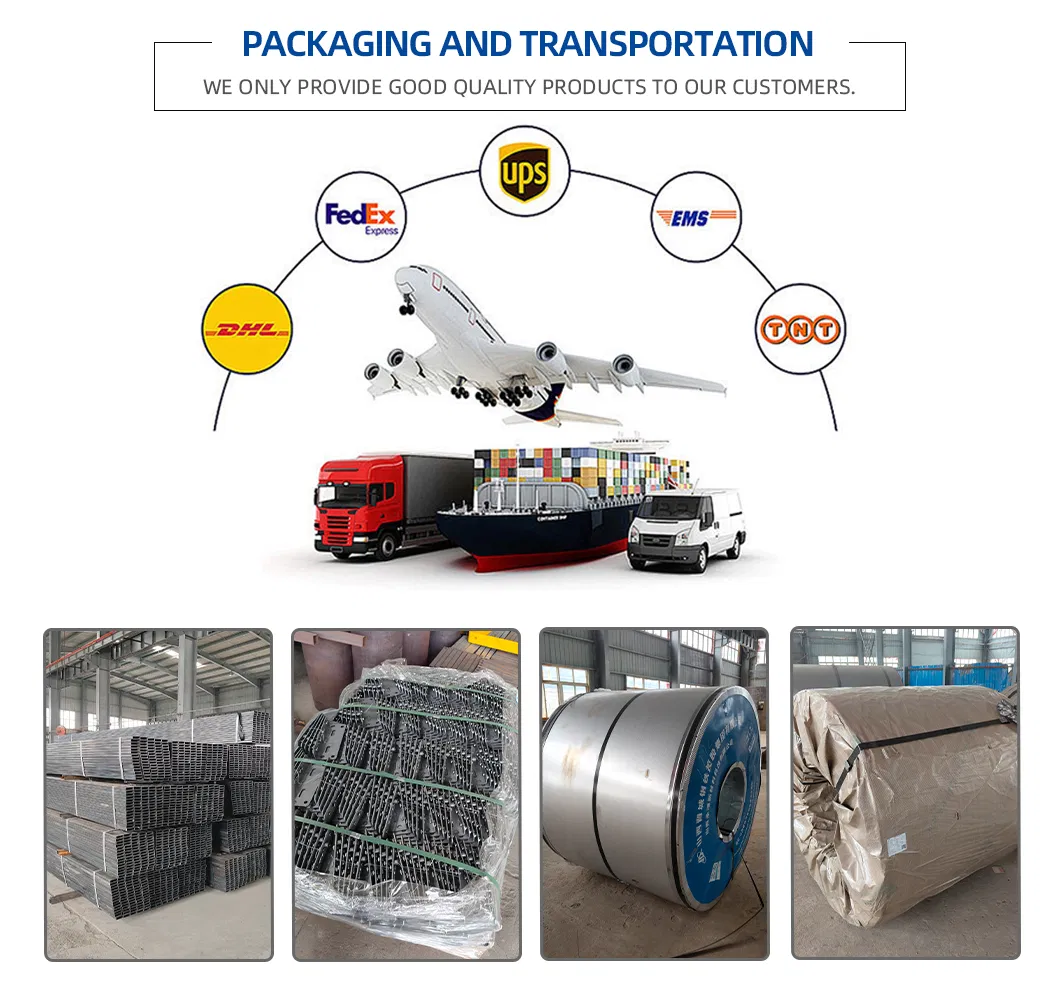
All steel elements are packaged on export pallets with cardboard dividers to prevent friction scratches, secured tightly via high-strength steel bands, and completely wrapped in moisture-resistant stretch film. This ensures absolute protection during container shipping and loading.
Q6: What software integration is required for operating the automated warehouse?
The operations require a Warehouse Management System (WMS) for handling data, batch tracking, and order optimization, coupled with a Warehouse Control System (WCS) for real-time mechanical motion controls of stackers and AGVs. These systems integrate smoothly with existing ERP platforms.
 Metro Build