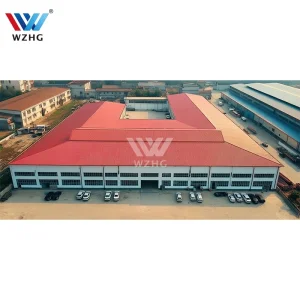
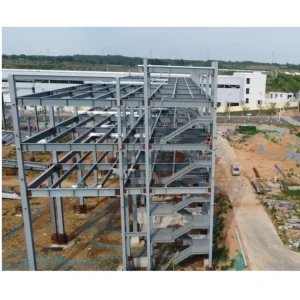
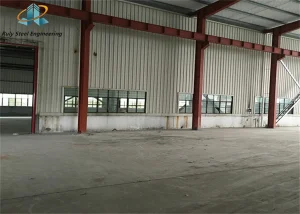
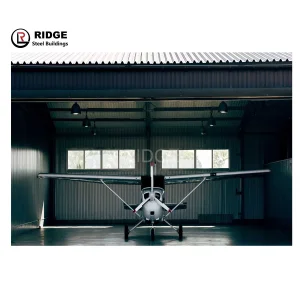
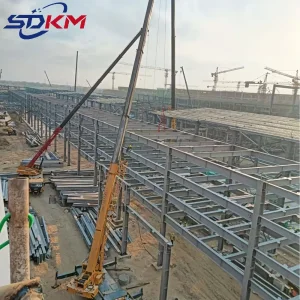
Premium prefabricated large-span steel designs optimized for heavy-load factories, commercial developments, and dynamic logistical hubs across Hungary.
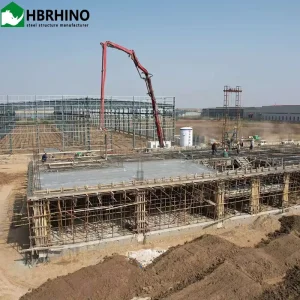
Hungary has emerged as the definitive heartbeat of industrial expansion within Central and Eastern Europe (CEE). Spurred by a massive influx of foreign direct investment (FDI)—particularly in the automotive, lithium-ion battery manufacturing, and advanced logistics sectors—the demand for high-strength, flexible, and rapidly erectable multi-span warehouse structures is at an all-time high. Major developmental hubs such as the Debrecen Southern Industrial Park, the Győr automotive cluster, and the logistics corridors flanking Budapest require large-format building envelopes that combine immense clear spans with cost-effective engineering.
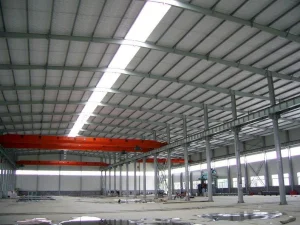
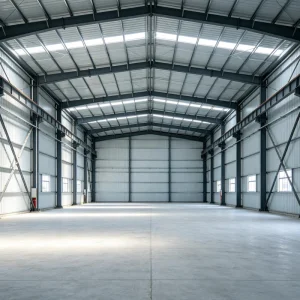
Operating at this intersection of demand and structural technology, multi-span pre-engineered steel buildings (PEBs) provide the optimal spatial layout for assembly lines, heavy equipment layouts, and complex logistics sorting systems. The structural geometry of multi-span buildings—utilizing internal portal columns to share structural loads—allows Hungarian project developers to dramatically reduce steel consumption per square meter without compromising overhead crane capacity or internal volume layout flexibility.
Developing industrial real estate in Hungary requires strict adherence to European standards (Eurocodes), specifically EN 1993 (Eurocode 3) for steel structure designs. Structures must be engineered to withstand region-specific load actions: heavy seasonal snow loads in the North-Hungarian Mountains, severe wind pressures across the Great Hungarian Plain (Alföld), and seismic actions categorized under Eurocode 8.
Dongguan Metro Build Co., Ltd. addresses these local variables by configuring every multi-span warehouse with dynamic engineering parameters. Utilizing high-tensile structural steel (grades Q355B or Q420B, matching EN S355JR standards), our design engineers integrate precise load distributions. We calculate critical deflection tolerances, optimize purlin spacing, and incorporate advanced corrosion protection—including hot-dip galvanization and high-durability polyurethane multi-coat systems—ensuring long-term resistance to C3-C5 corrosive industrial environments typical of chemical processing and battery assembly facilities.
Why modern Hungarian manufacturers and global logistics operators choose our engineered structural frameworks.
By implementing load-sharing interior column grids, multi-span structures require significantly lighter frame weights than extreme clear-spans, reducing overall material investment, transportation, and foundation costs.
Interior column placement is designed around your specific production layout or rack placement schemes, optimizing operational flow for automotive manufacturing, cold storage, or bulk inventory management.
Pre-engineered structural joints accelerate the assembly timeline by up to 50% compared to traditional in-situ concrete, allowing Hungarian businesses to commence operations and realize ROI much faster.
Steel Standards Match
Max Column-Free Spans
Corrosion Class Compliance
Thermal Load Calibration
Expertly tailored designs matching international logistics criteria and heavy machinery operational thresholds.
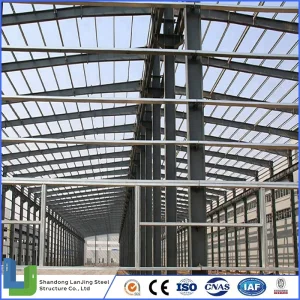
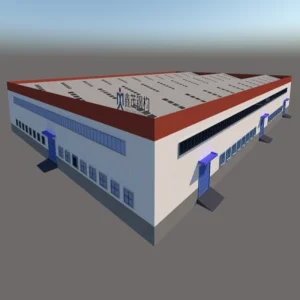
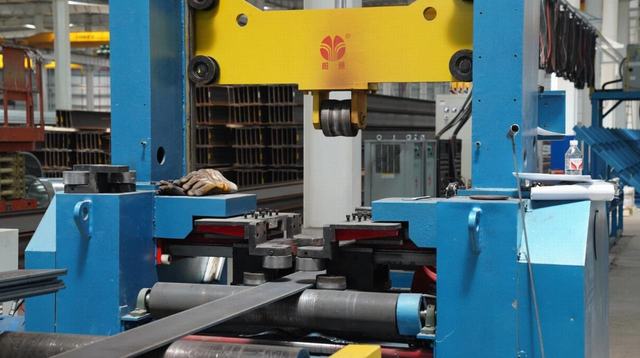
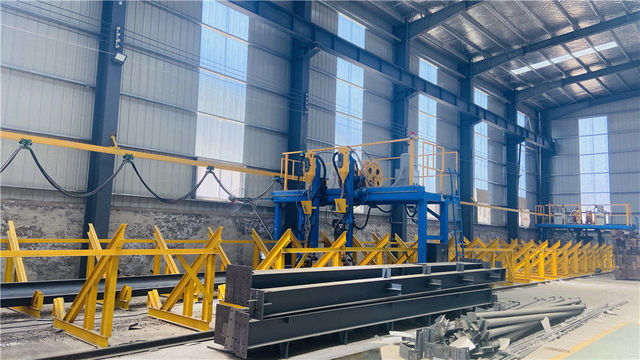
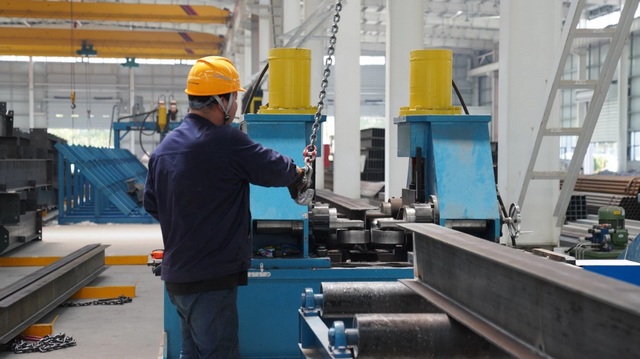
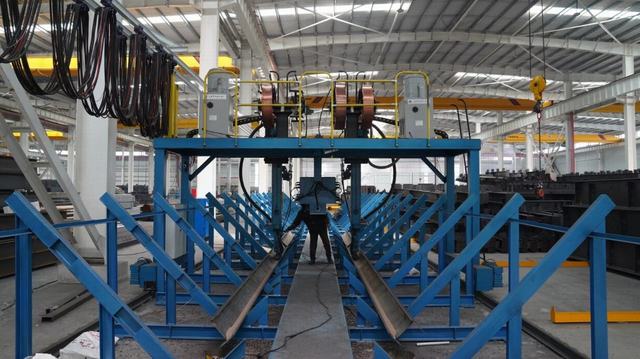
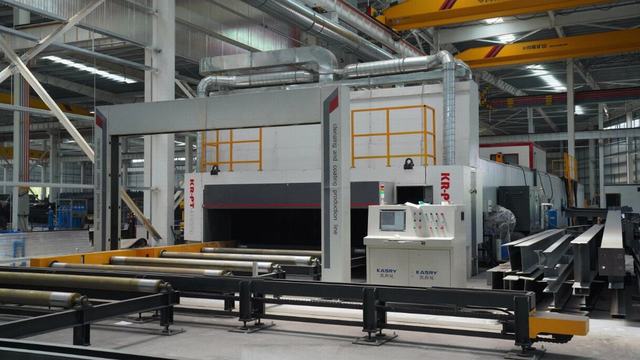
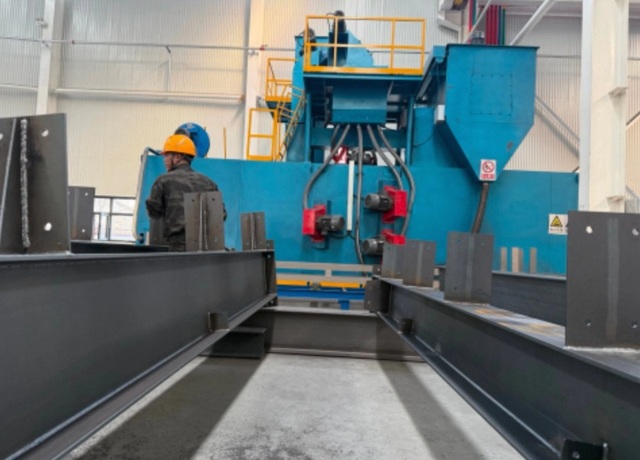
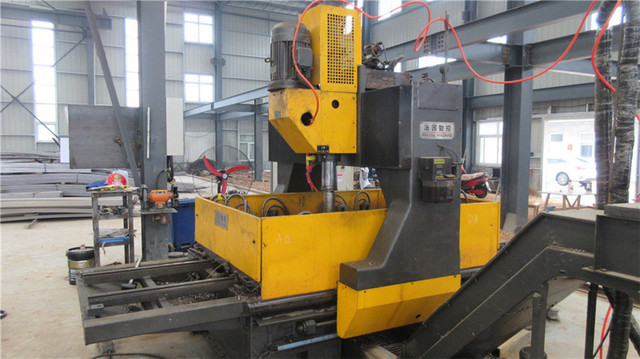
Procuring prefabricated steel structures from Dongguan Metro Build Co., Ltd. allows European developers to tap into advanced Chinese manufacturing ecosystems (Factory 4.0). Our state-of-the-art facility integrates automated CNC cutting systems, robotic H-beam welding lines, and advanced quality tracking protocols. This automated manufacturing model guarantees structural dimensional accuracy with micro-millimeter tolerance, simplifying subsequent assembly operations in Hungary.
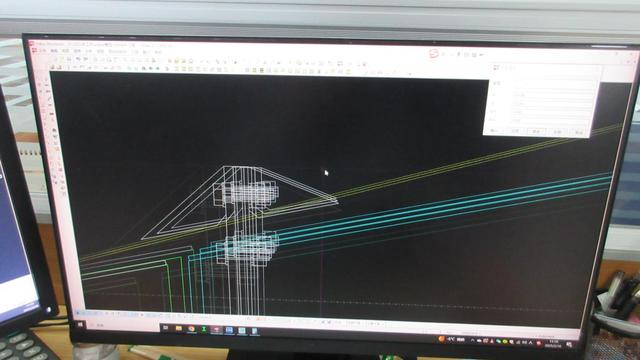
In a global market plagued by volatile raw material costs and localized steel shortages, our direct integration with leading domestic raw steel mills ensures price predictability and uninterrupted material flow. Metro Build controls the entire value chain: from CAD-BIM digital design modeling, EN 1090-compliant steel fabrication, to structural surface finish and containerized consolidation. This complete logistical oversight mitigates transit delays and guarantees arrival of components in sequenced batches ready for instant erection.
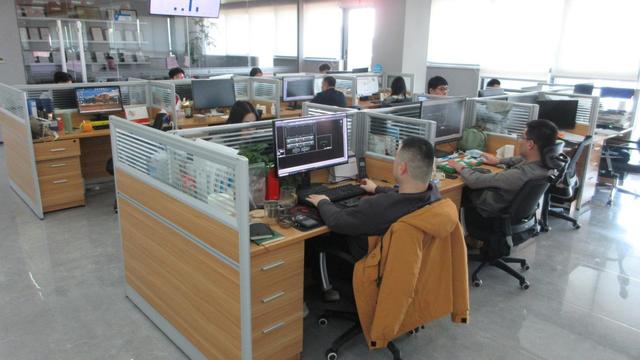
Successful cross-border industrial projects rely on rigorous engineering and logistics management. Dongguan Metro Build provides comprehensive project support from initial design concepts to final commissioning. Our structural design teams collaborate directly with European project architects to align architectural plans with BIM parameters, reducing structural clash conflicts and optimizing anchor bolt layouts.
Every steel component undergoes trial assembly at our factory, checking connection node clearances, bolt-hole alignments, and weld integrity before transport. We handle all international shipping details, coordinating ocean freight to key ports like Koper, Rijeka, or Hamburg, followed by domestic inland rail or truck transport to Hungarian project sites, minimizing customs hold-ups and import bottlenecks.
| Performance Indicator | Metro Build Multi-Span Steel Buildings | Traditional Concrete Frameworks |
|---|---|---|
| Construction Timeline | Rapid erection (up to 50% faster) | Slower build times (dependent on concrete curing) |
| Slab Load & Dead Weight | Light weight; requires simpler foundation systems | Heavy structures; high foundation engineering costs |
| Expansion & Modifications | Bolt assembly; easy to expand or dismantle | Demanding demolition and reconstruction needed |
| Recyclability & Sustainability | 100% recyclable structural components | High demolition waste; high carbon footprint |
Dongguan Metro Build Co., Ltd. is a leading China prefabricated warehouse building manufacturer specializing in the design, production, and supply of high-performance steel warehouse solutions for customers worldwide. With extensive experience in the steel structure industry, the company is committed to delivering durable, cost-effective, and customized building systems that meet the evolving needs of industrial and commercial sectors.
The company offers a comprehensive portfolio of products, including prefabricated warehouse buildings, pre-engineered steel structures, logistics centers, industrial workshops, storage facilities, distribution centers, and customized steel building solutions. Designed for fast installation and long-term performance, Metro Build's products are widely used in manufacturing, logistics, agriculture, retail, and infrastructure projects.
Dongguan Metro Build Co., Ltd. operates advanced manufacturing facilities equipped with modern steel fabrication machinery and precision production lines. Supported by a skilled engineering and quality control team, the company provides one-stop services covering project consultation, structural design, manufacturing, quality inspection, packaging, and global shipping coordination.
Quality and innovation are at the core of Metro Build's operations. The company strictly follows international manufacturing standards and continuously improves its production processes to ensure superior structural strength, weather resistance, and energy efficiency. By adopting prefabrication technologies, Metro Build helps customers significantly reduce construction time, labor costs, and on-site installation complexity.
Driven by the principles of quality, reliability, and customer satisfaction, Dongguan Metro Build Co., Ltd. has established long-term partnerships with clients across Asia, Europe, the Middle East, Africa, and the Americas. The company remains dedicated to providing innovative steel warehouse solutions that create lasting value for global customers.
Essential guidance on importing, installing, and certifying prefabricated steel warehouses in Hungary.
Every building structure designed by Metro Build is engineered using structural analysis programs like TEKLA and PKPM, configured to calculate actions under EN 1990 and EN 1993 (Eurocodes). We verify wind and snow loads using local meteorological data for Hungary. Fabricated materials are provided with EN 1090-2 execution class EXC2/EXC3 certificates and complete material traceability documentation (MTRs matching EN 10204 3.1).
To meet Hungary's strict energy performance regulations (TNM decree), we recommend high-performance envelope systems. PIR (Polyisocyanurate) sandwich panels with thicknesses from 100mm to 150mm are typically used for walls, and 120mm to 200mm for roofs. These configurations deliver low thermal transmittance (U-values below 0.18 W/m²K), reducing active heating costs during winter.
Generally, the complete cycle takes 10 to 14 weeks: 3 weeks for structural detail engineering and approval, 4 to 5 weeks for CNC fabrication and anti-corrosion coating, and 4 to 5 weeks for ocean transport and customs clearance. This schedule runs in parallel with site foundation excavation work in Hungary, reducing overall project timelines.
Metro Build designs all connections as bolted assemblies, eliminating the need for complex on-site structural welding. We supply comprehensive 3D erection drawings, sequenced packing lists, and step-by-step installation manuals. If requested, we can deploy on-site engineering supervisors to guide your local Hungarian contractor's rigging and erection crews.
Our structures can be engineered to support crane capacities ranging from 5 to over 50 metric tons. We integrate specialized crane runway brackets directly onto the built-up columns, designing for dynamic impact loads and fatigue limits. Structural engineers calibrate the columns and roof frames to prevent deflection issues during simultaneous crane operation.
Explore our complete range of certified pre-engineered steel buildings tailored for Central European markets.
Contact our design team to request customized design concepts, load calculations, and price quotes matching your site criteria.
 Metro Build