Product Description
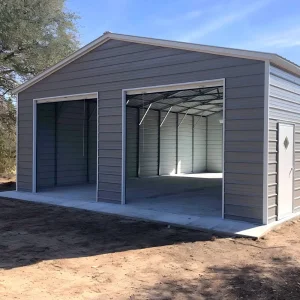
Prefabricated Industrial Modular Steel Warehouse Building and Mental Workshop
High efficiency, environmental friendliness, and cost-effectiveness for modern architectural needs.
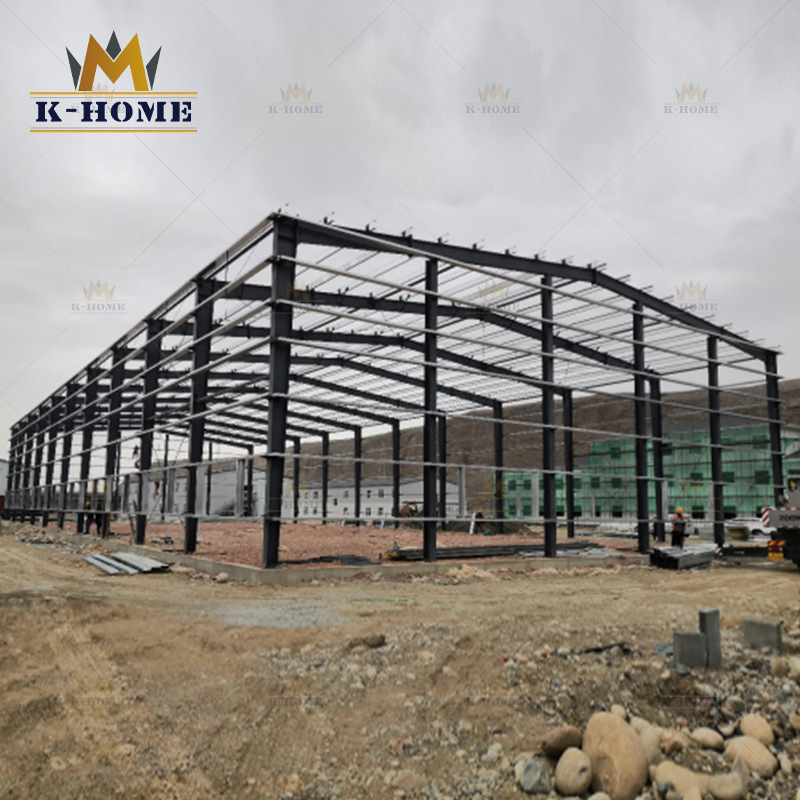
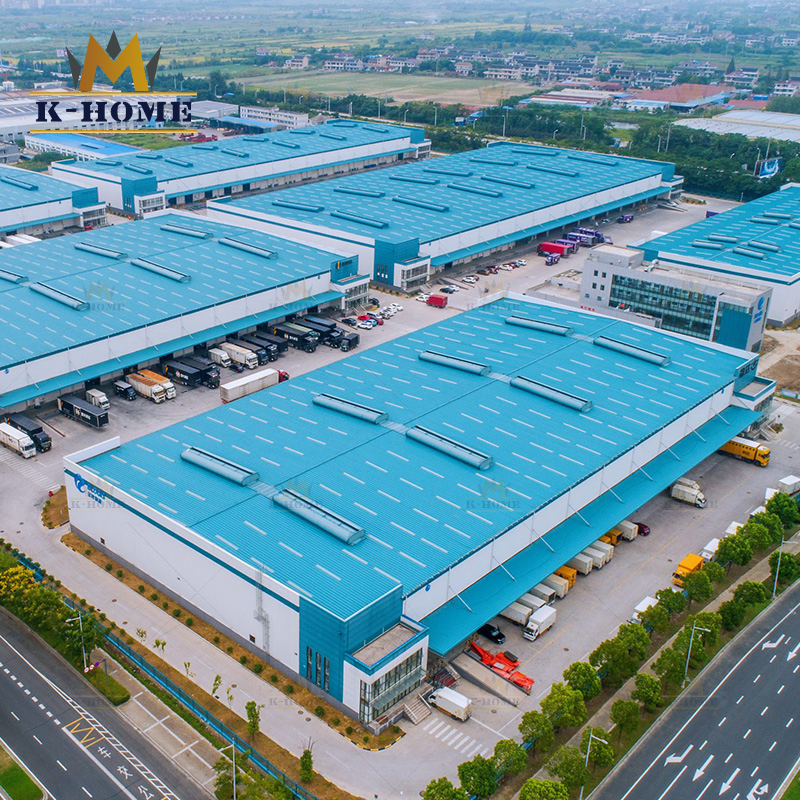
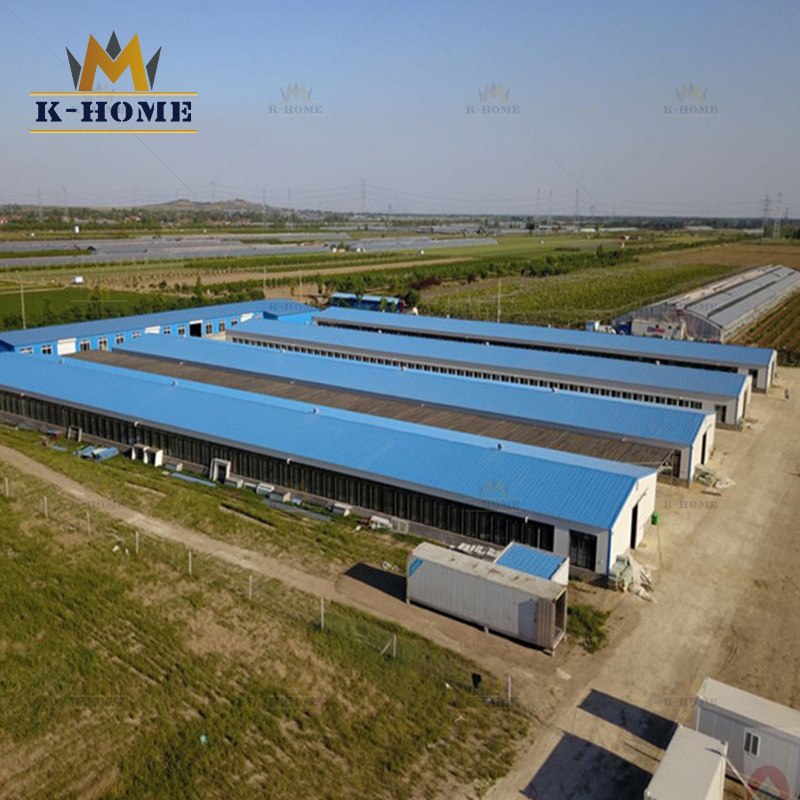
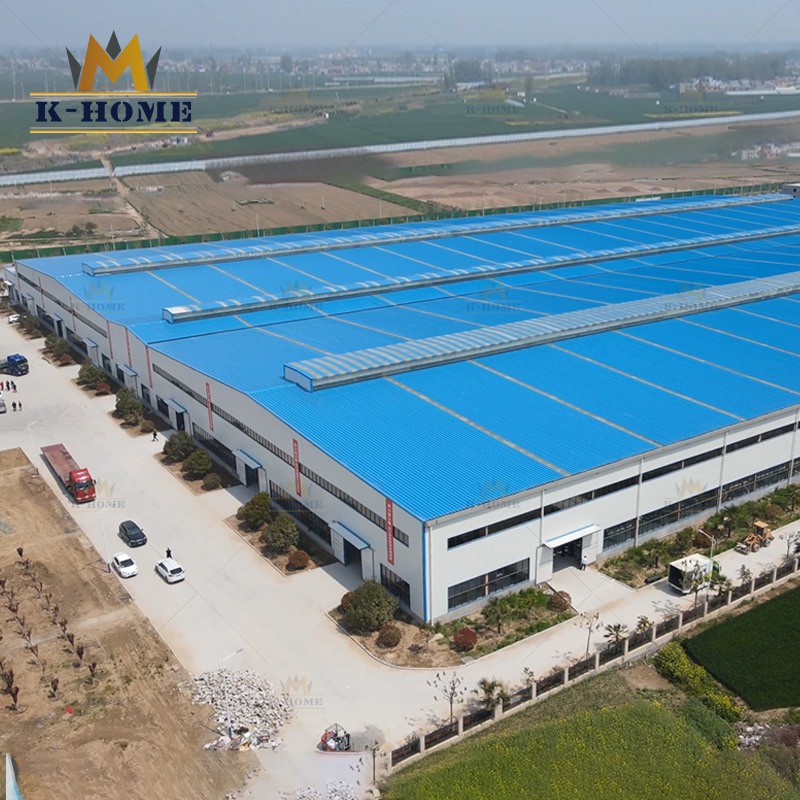
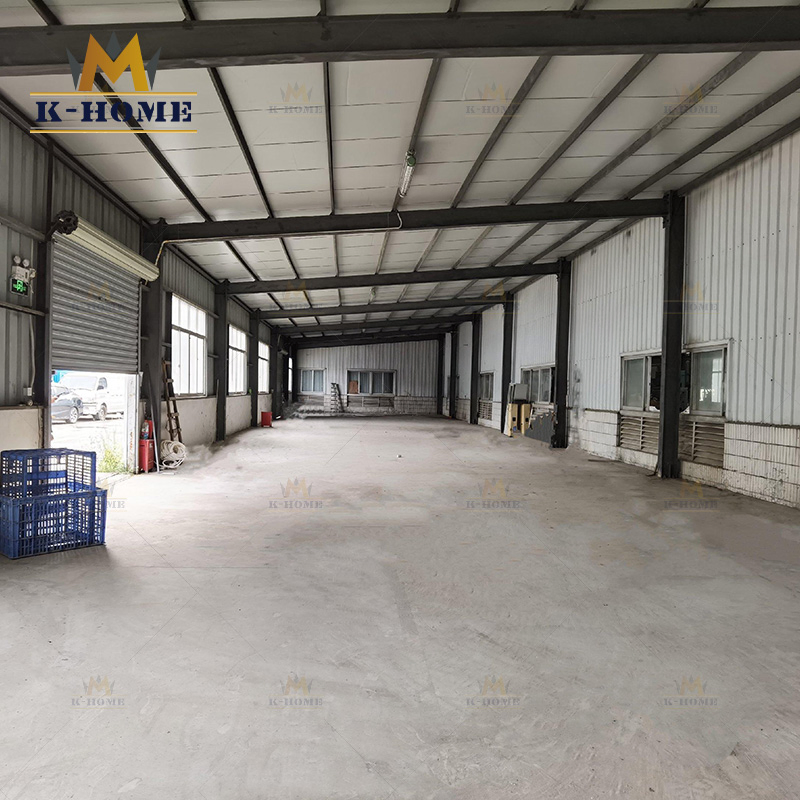
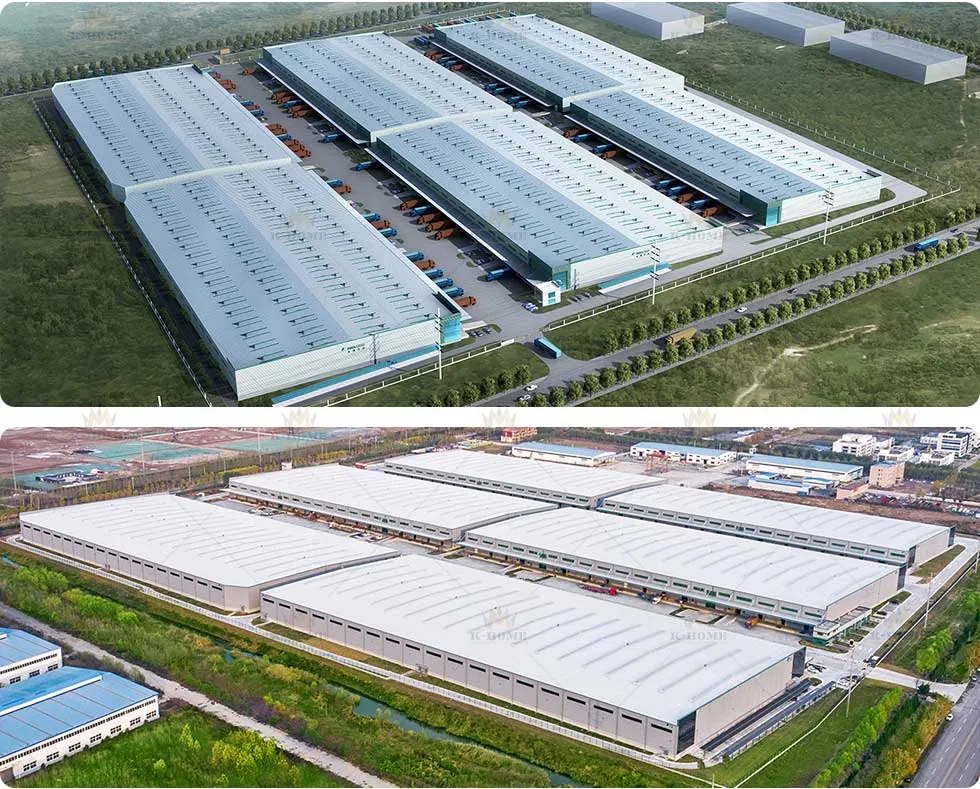
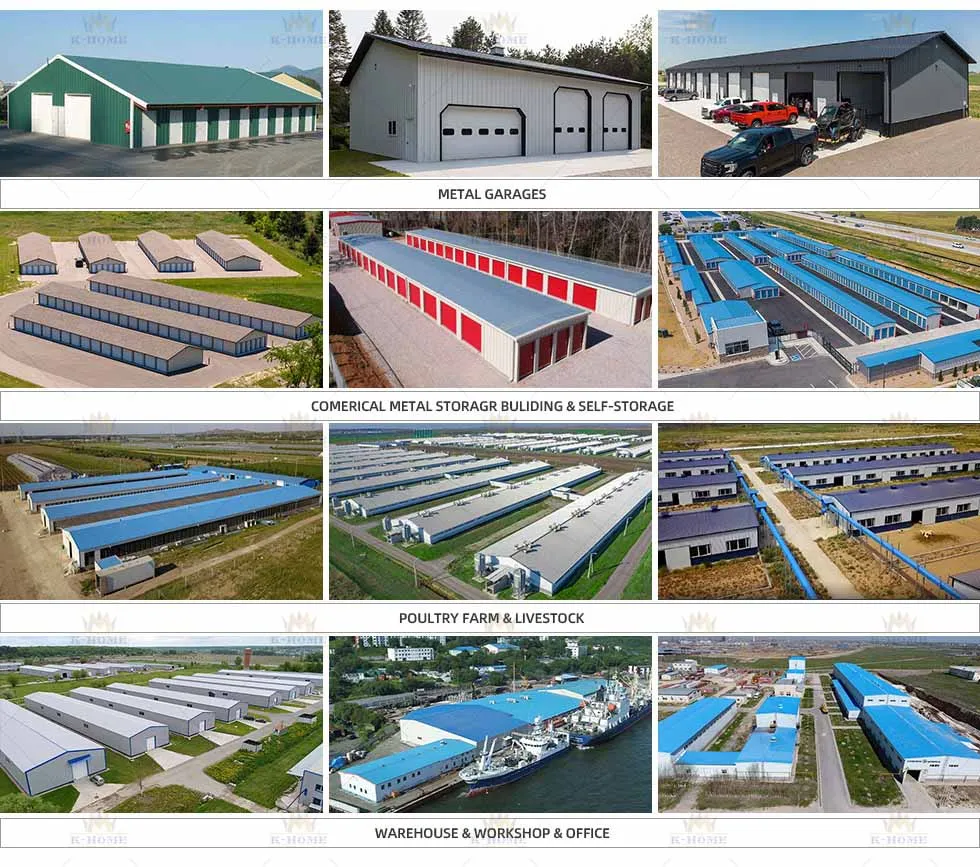
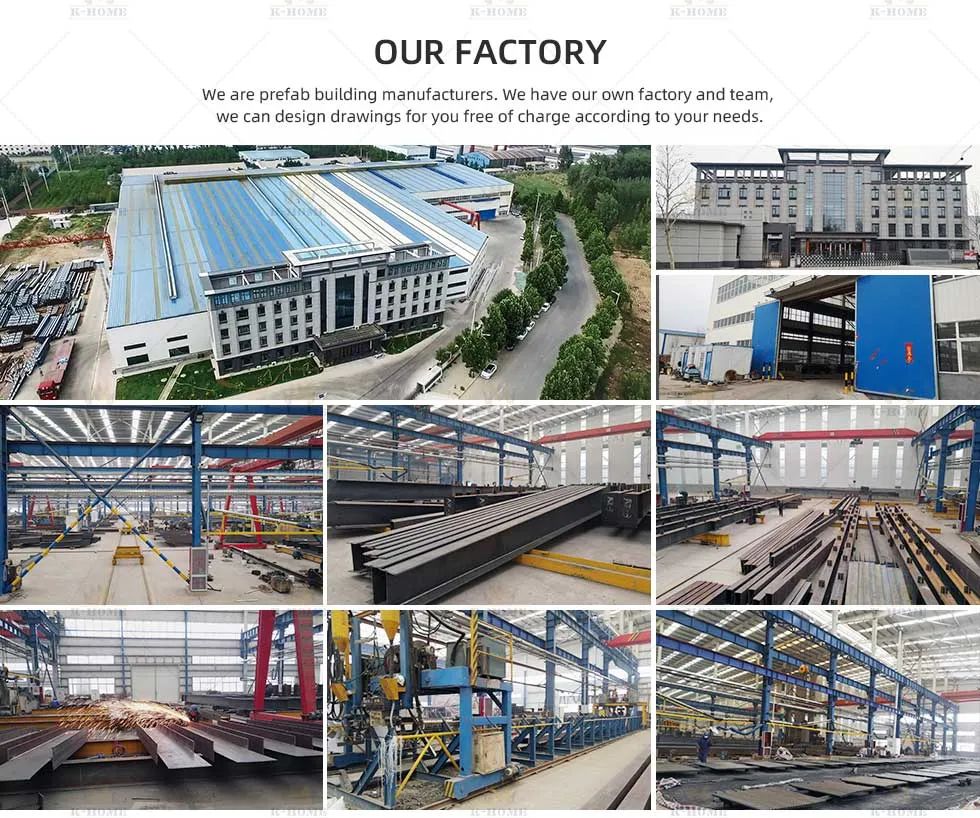
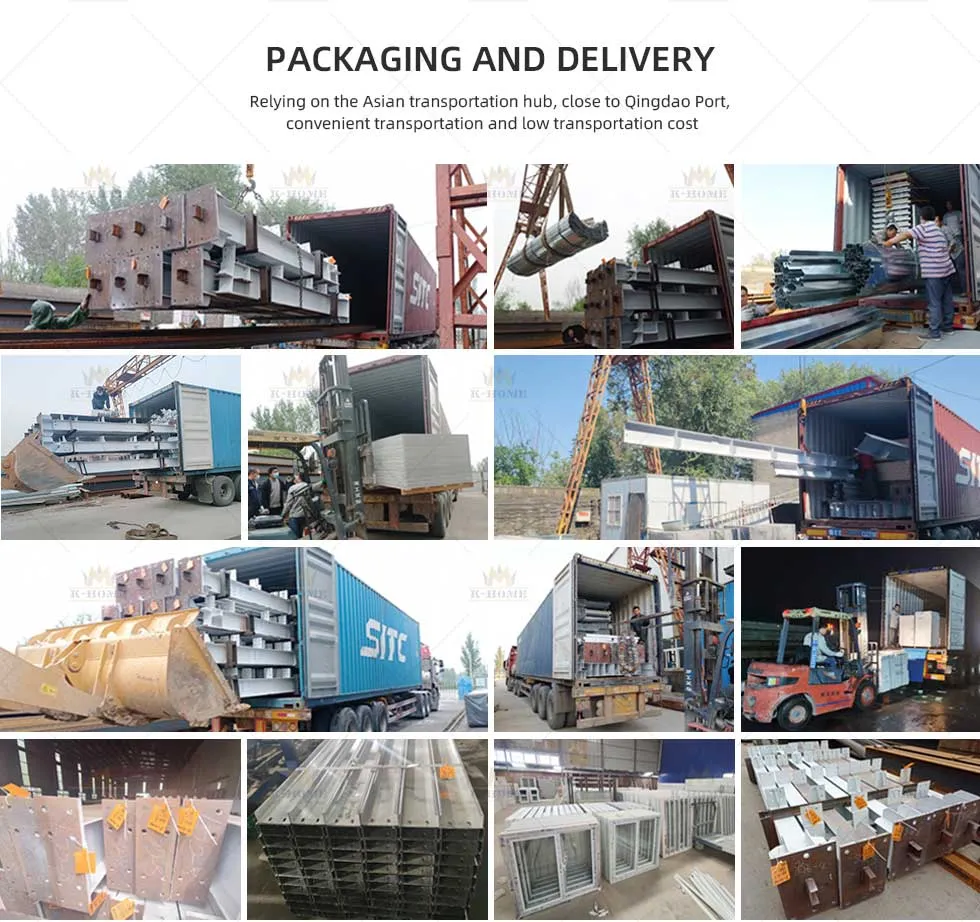
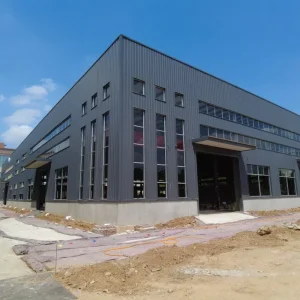
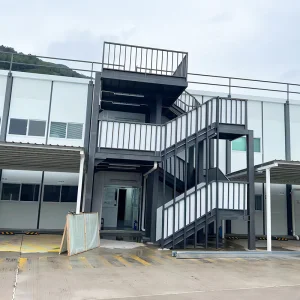
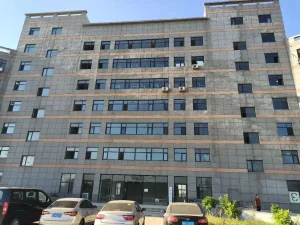
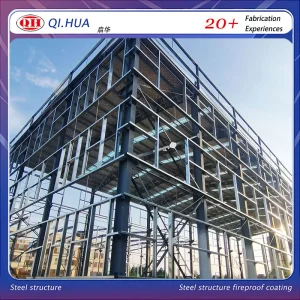
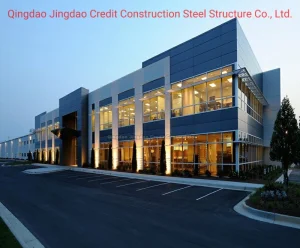
Amidst the rapid development of the construction industry, industrial prefab workshop steel warehouse buildings are becoming a key choice for modern architecture due to their efficiency, environmental friendliness, and cost-effectiveness. Designed, manufactured, and assembled in a factory, prefabricated steel structures offer advantages such as rapid construction, low cost, robust structure, and environmental friendliness and energy conservation. They are widely used in a variety of sectors, including industry, commerce, residential buildings, and agriculture.
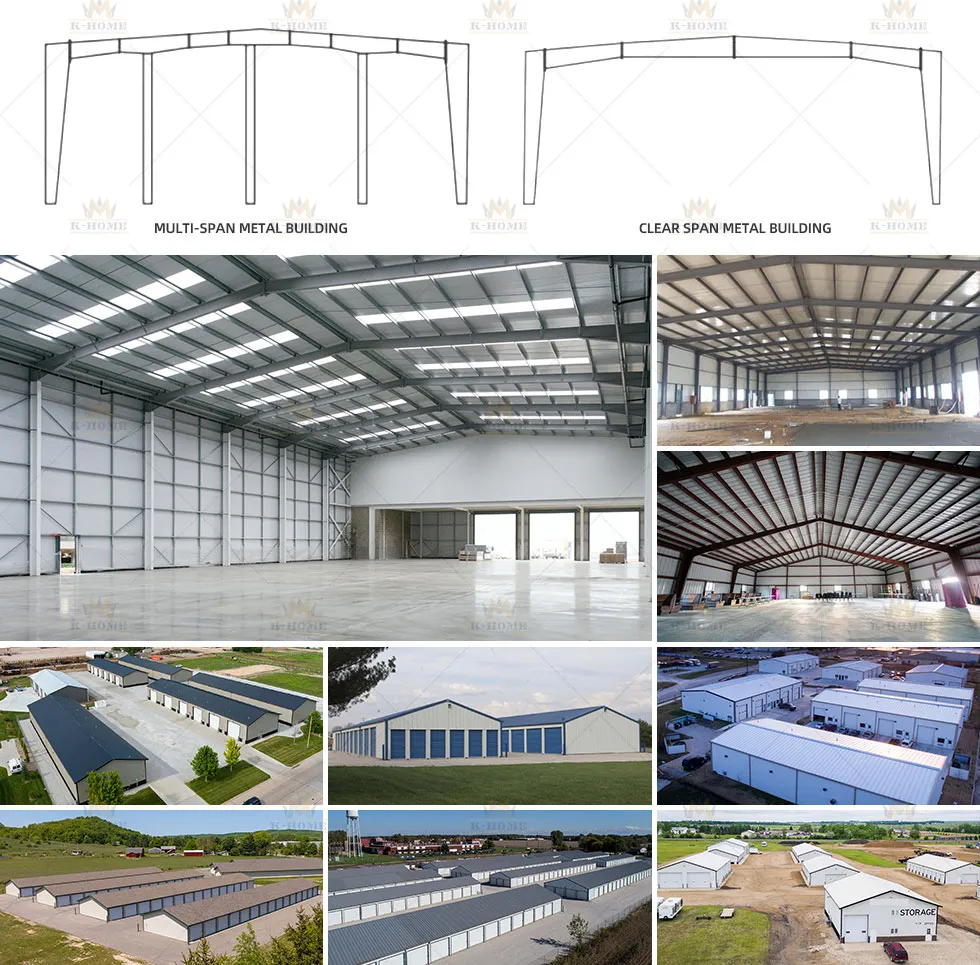
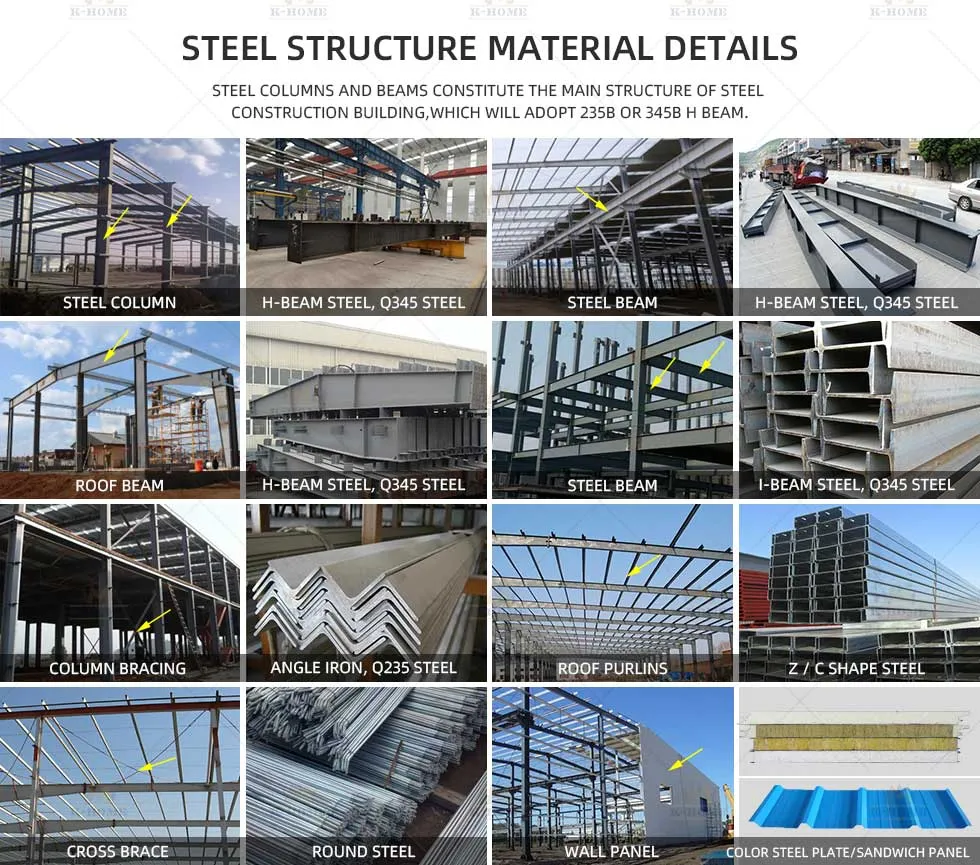
Using high-strength steel as the primary material, industrial prefab workshop steel warehouse buildings possess excellent load-bearing capacity, seismic resistance, and durability. Their flexible structural design allows for customization to meet diverse building functions. For example, industrial prefab workshop steel warehouse buildings are suitable for a variety of building types, including warehouses, factories, office buildings, residences, and stadiums. Furthermore, industrial prefab workshop steel warehouse buildings offer a short construction period, high efficiency, and minimal environmental impact, aligning with the sustainable development philosophy of modern architecture.
Diverse Frame Styles Available
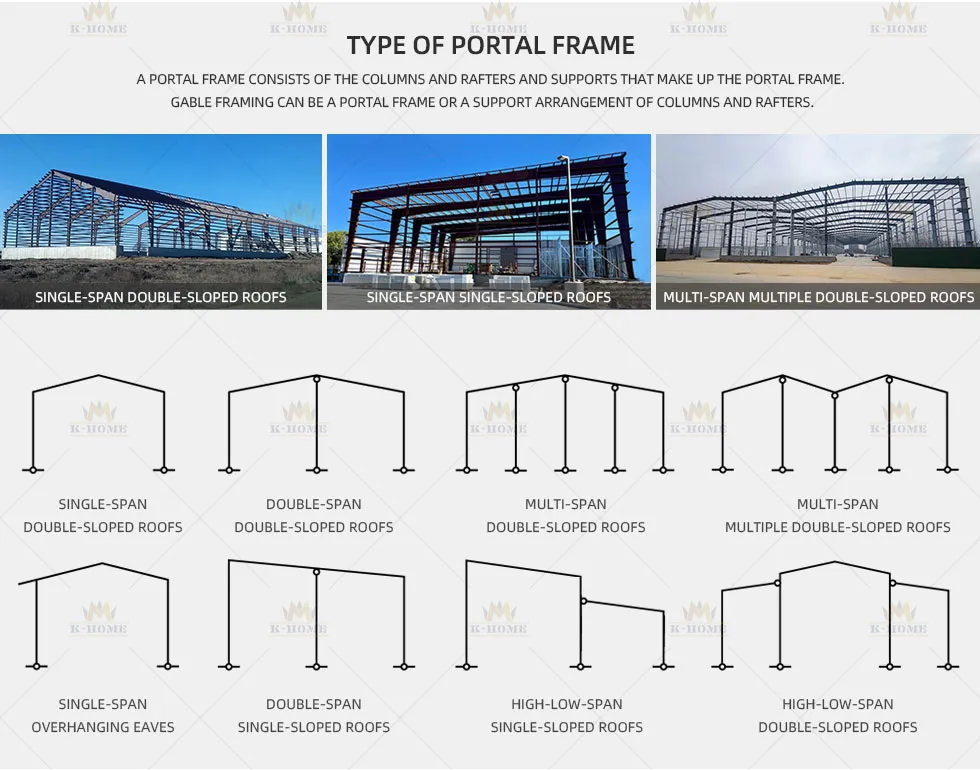
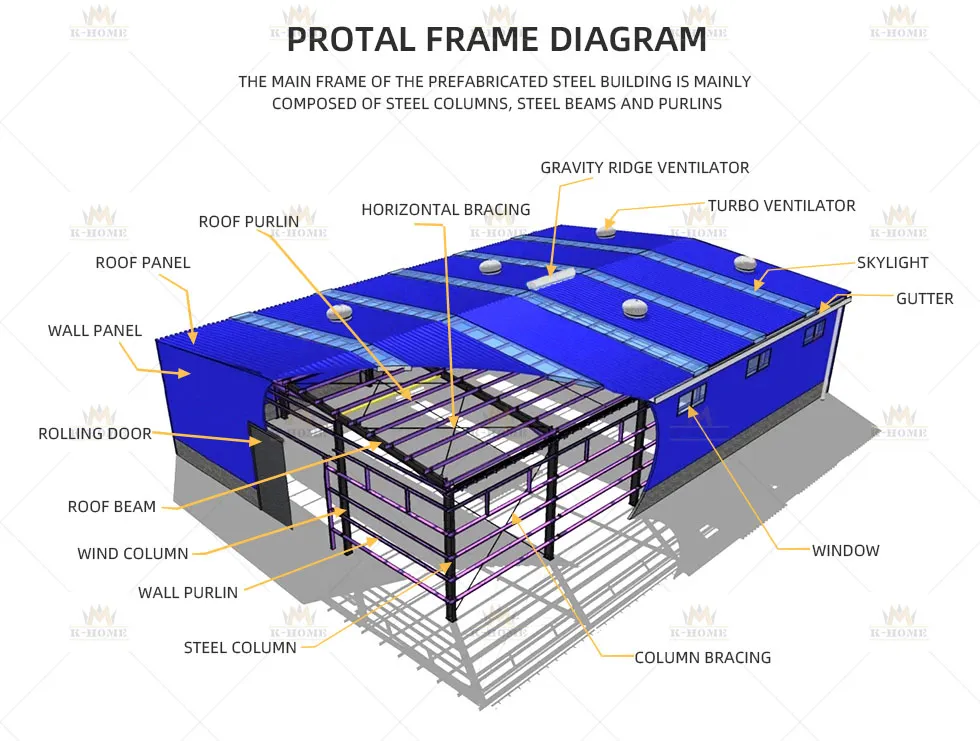
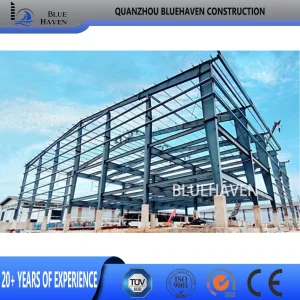
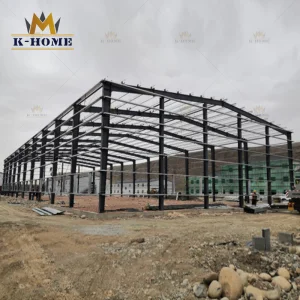
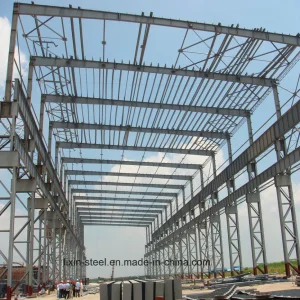
The frame style of the steel storage unit includes four types: portal steel structure, frame steel structure, grid structure, and cable and membrane structure. Portal steel frame structures are the most common type of steel building.
Advantages of Industrial Prefab Workshop Steel Warehouse Building
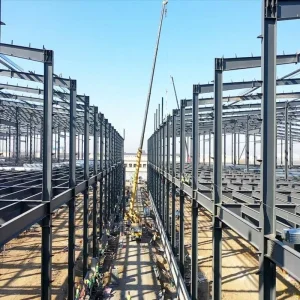
1. Fast Installation: Steel components are factory-fabricated, reducing on-site labor time. Because prefabricated components snap together like puzzle pieces, installation is rapid. For example, steel-framed buildings can be installed 30-50% faster than concrete structures.
2. Design Flexibility: Steel's malleability allows for complex geometries and large spans, enabling architects to create spacious, column-free interiors. This adaptability, unmatched by other materials, makes it an ideal choice for large-scale factories, warehouses, airports, stadiums, and modern commercial spaces.
3. Reusability: Steel is recyclable. After years of use, steel frames can be easily disassembled and sold for a profit. Due to its light weight, it requires less infrastructure, reducing overall embodied carbon emissions. Steel structures can also be dismantled and repurposed.
4. Cost-Effectiveness: While initial material costs may be higher than wood, steel's rapid construction, minimal labor requirements, and minimal maintenance costs throughout its lifespan often reduce overall project costs.
Two Types of Roofs for Steel Warehouse Buildings
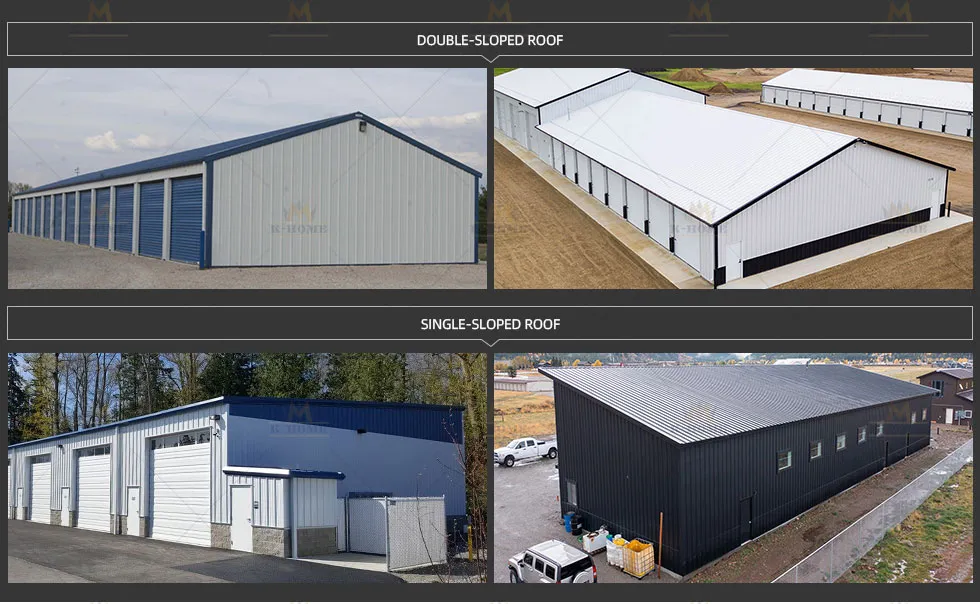
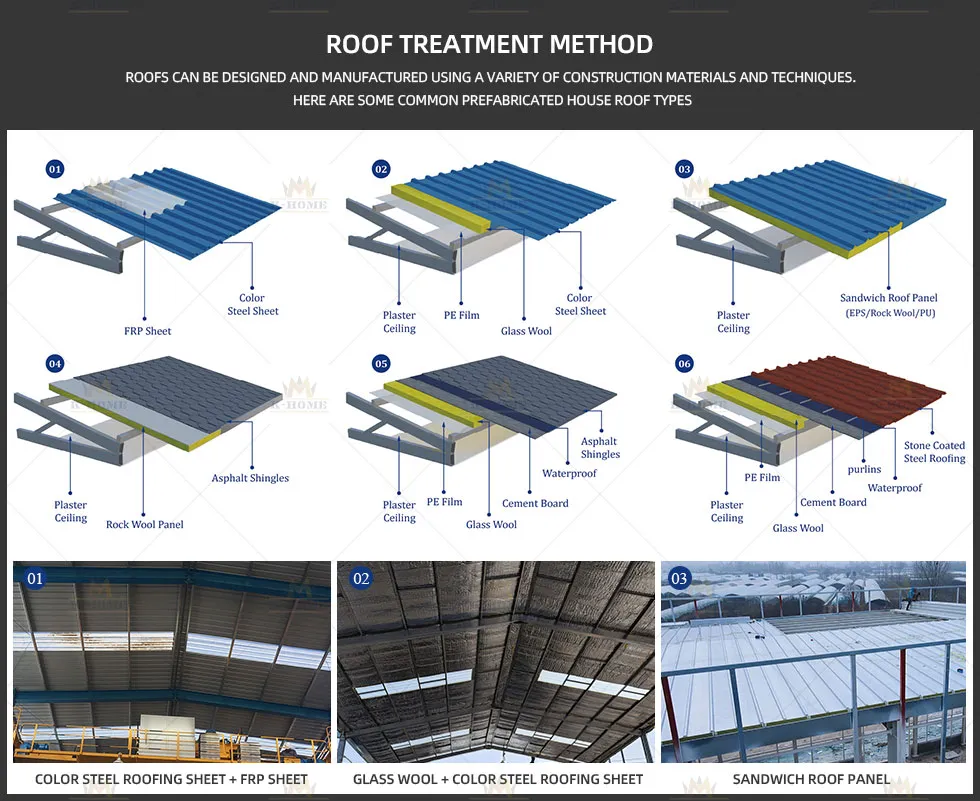
In the application of steel structure buildings, the most common roof structures are double-slope roofs and single-slope roofs, which can be selected according to the purpose of the building, the local geographical environment, and personal budget.
The double-sloped roof is a two-pitch roof structure characterized by relatively symmetrical slopes on both sides. It provides excellent waterproofing and drainage as rain drains smoothly. Symmetrical slopes distribute wind loads evenly, enhancing wind resistance and structural stability.
A single-sloped roof features only one slope in a specific direction. Its simplified design makes construction straightforward, highly economical, and practical while still ensuring convenient drainage to prevent water accumulation.
Common Roof Treatments
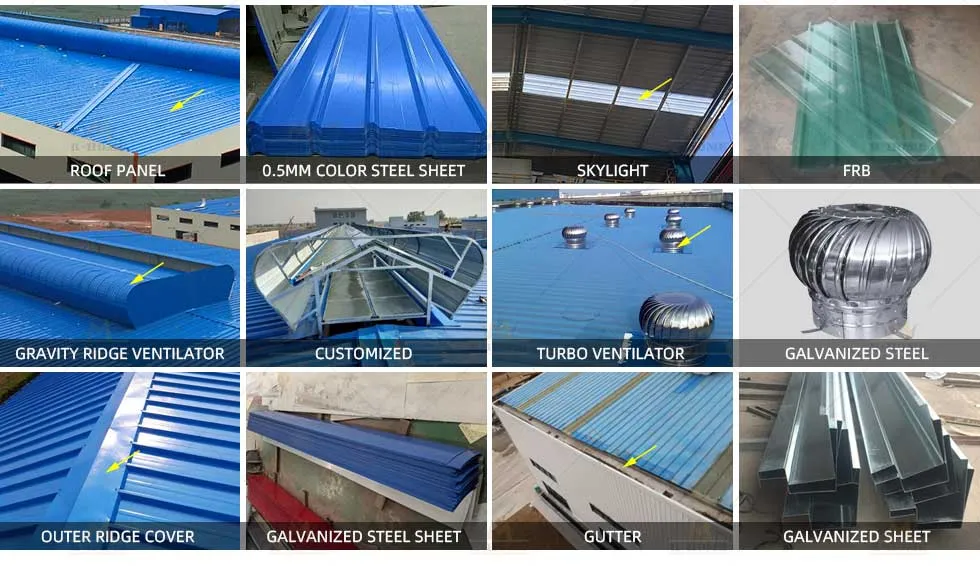
You can use color steel roof single tiles, FRB roof tiles, glass wool sandwich roof panels, rock wool sandwich roof panels, polyurethane edge-sealed rock wool sandwich roof panels, polyurethane sandwich roof panels, flat wall panels, and asphalt felt shingles.
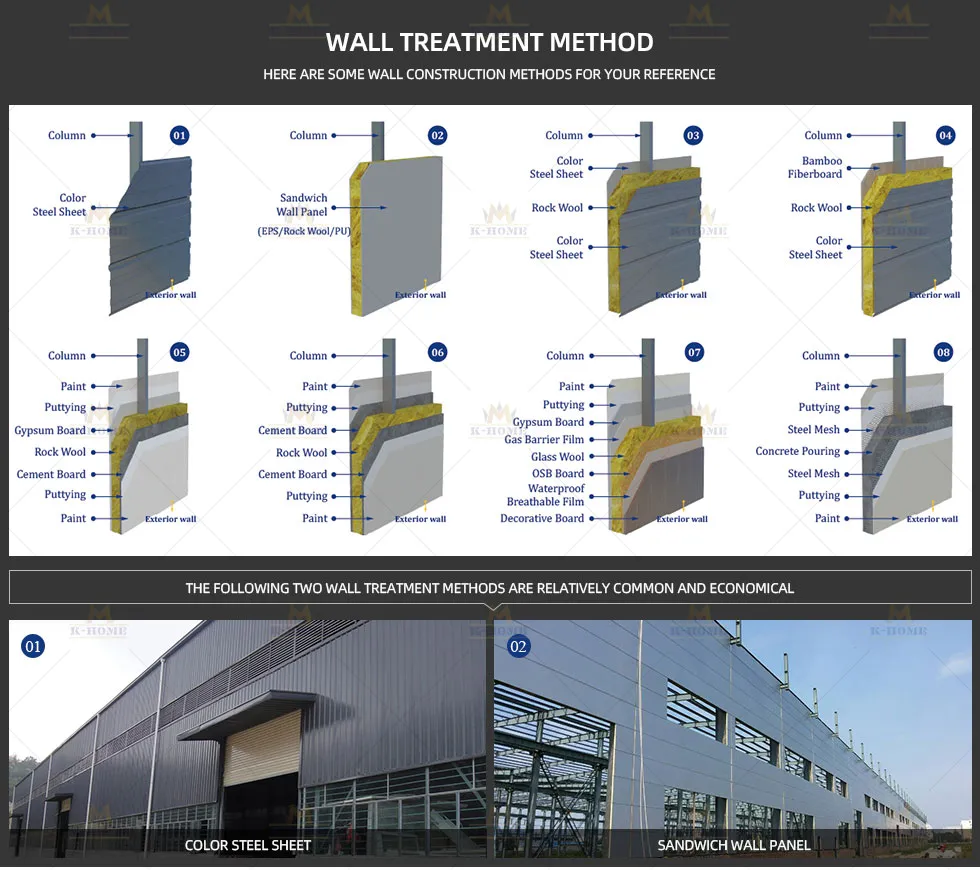
Wall Construction Methods
Various wall construction methods are available to fit your budget. Simple installation methods use screw fixation, minimizing labor, material, and time costs. Alternatively, paintable wall treatments provide enhanced aesthetics for premium projects.
Top Quality Storage Units
Our metal storage units for sale are made of high-quality steel that has a higher strength than most other building materials. This allows your storage building to last for decades.
Our metal storage buildings can be customized according to your desired dimensions. You can choose height, length, width, and roof style. You also decide the color of trim, walls, doors, and many other aspects of the building.
Unlike traditional storage buildings, our kits save time, energy, and money. They are extremely easy to set up and cost much less than other options. Steel is one of the few building materials with the ability to last for years with little upkeep, reducing your ongoing maintenance costs.
Frequently Asked Questions
What are the primary benefits of using prefab steel structures?
Prefab steel structures are highly durable, customizable, and environmentally friendly. They offer exceptionally fast installation cycles (saving up to 30-50% in time compared to traditional structures) and lower lifetime maintenance costs.
What is the difference between double-slope and single-slope roofs?
Double-slope roofs feature symmetrical pitches that provide excellent waterproofing, drainage, and high wind resistance, making them ideal for standard and large warehouses. Single-slope roofs have one slope direction, making them a simpler, highly cost-effective option for basic installations.
Can the wall materials be customized to save costs?
Yes, wall materials are fully customizable. Options like single steel sheets or standard sandwich panels (EPS, PU, Rockwool) can be installed quickly using basic screw fixation, reducing both installation time and labor costs.
How well do these steel warehouses withstand harsh weather environments?
The steel utilized features corrosion-resistant properties designed to withstand severe weather events. During the planning stage, the structures are engineered to handle local wind, snow, and seismic loads based on project location data.
What information is needed to obtain a quotation?
To generate a design, we need information on the build location, overall dimensions, wind and snow loads, insulation preferences, and structural inclusions such as specialized doors, windows, or internal cranes.
 Metro Build